Palermo is the capital of the Italian island of Sicily. The 12th-century Palermo Cathedral houses royal tombs, and the imposing, neoclassical Teatro Massimo is home to the city's opera house. Also located in the centre are the Norman Palace, a former royal residence dating back to the 9th century, and the Cappella Palatina with its Byzantine mosaics. Palermo's bustling markets include the central street market of Ballarò and the Vucciria market near the harbour.
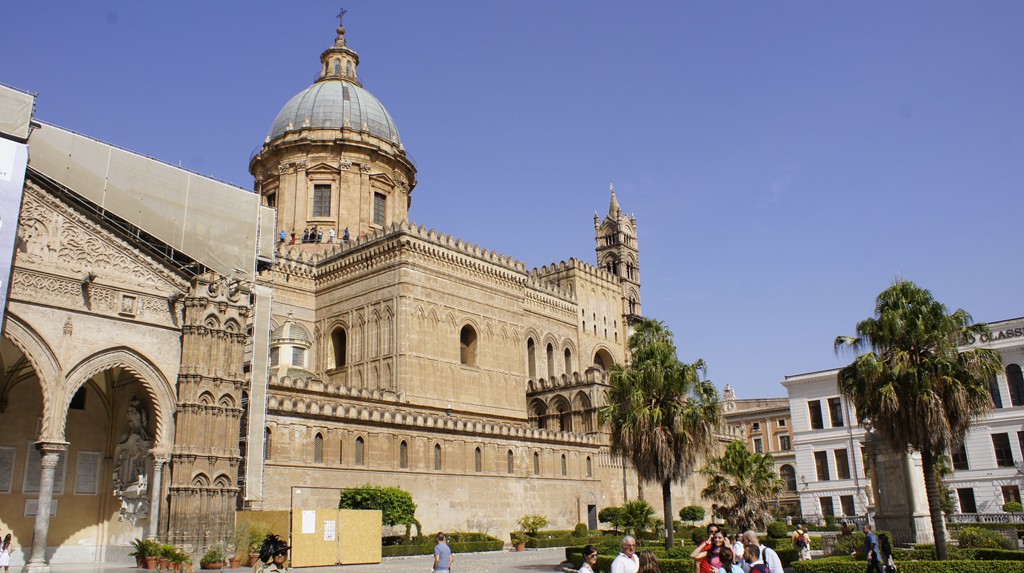
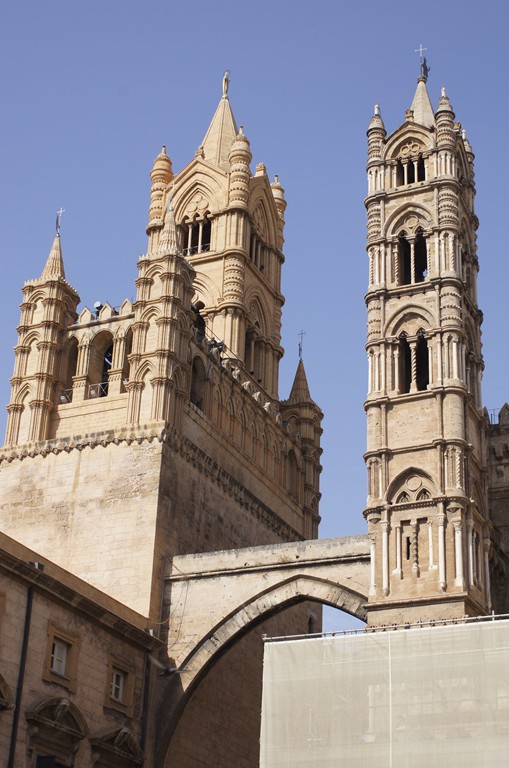
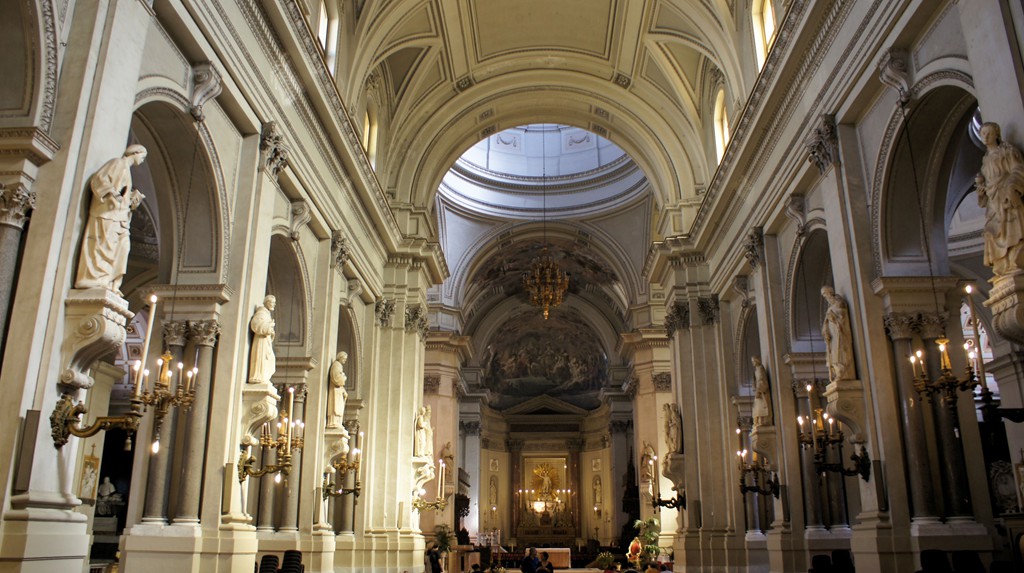
Cathedral
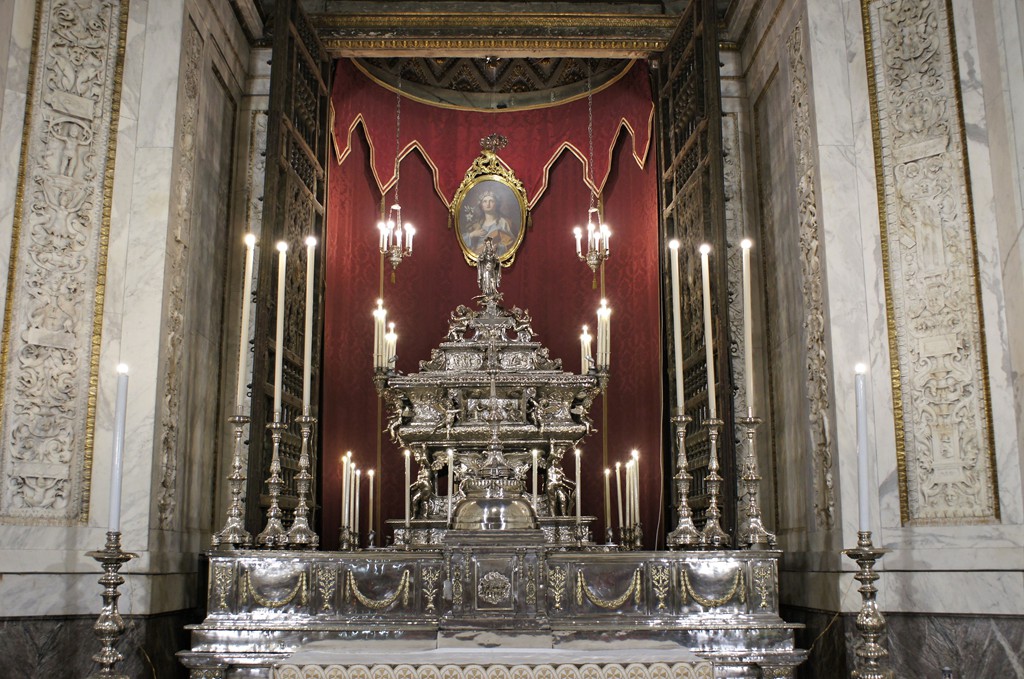
The cathedral houses the tomb of Saint Rosalia, patron saint of Palermo and Sicily.
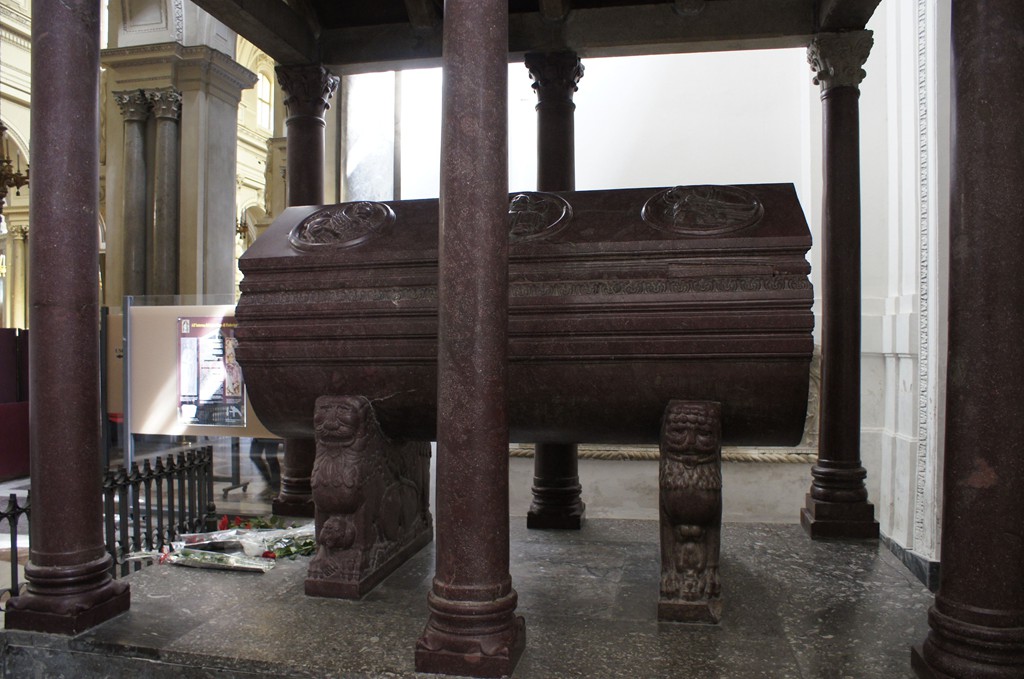
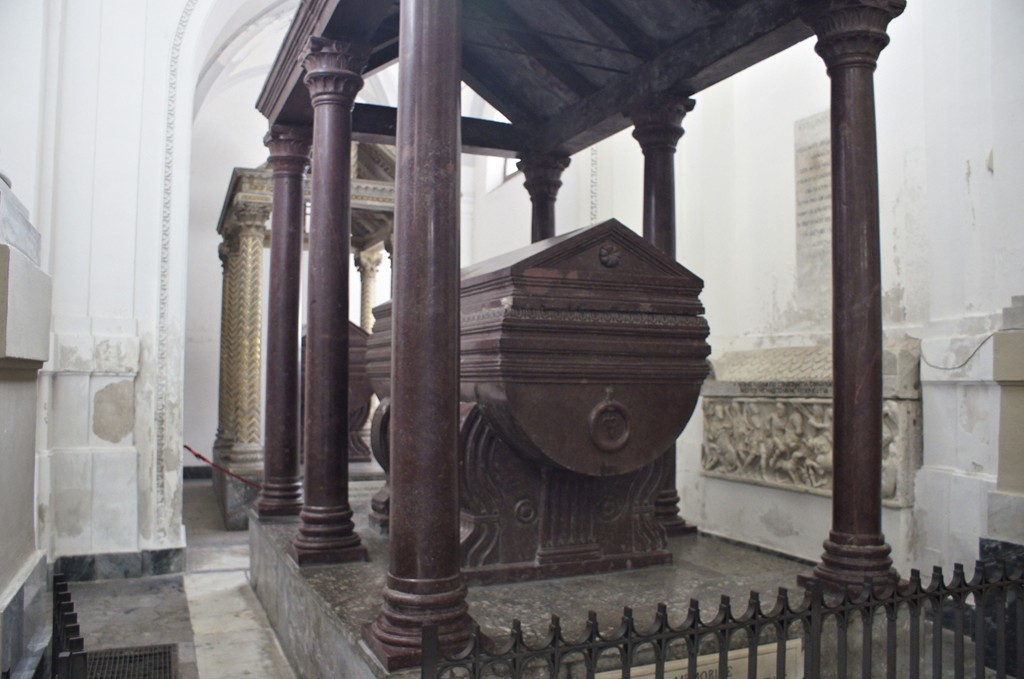
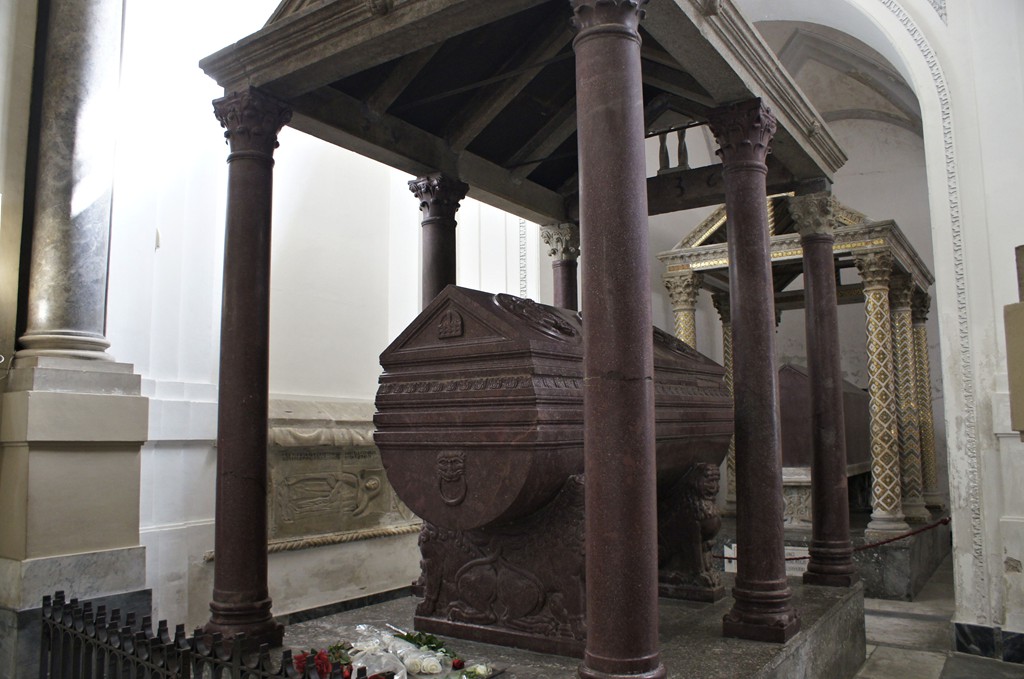
Frederick II of Hohenstaufen, Holy Roman Emperor and King of Sicily, was laid to rest here in Palermo Cathedral alongside his father Henry VI. He died in 1250, and people still bring fresh flowers to his grave!
Henry IV was born in 1156, the son of Frederick Barbarossa and Beatrice of Burgundy. In 1186, he married Constance, daughter of Roger II, King of Sicily, and aunt and heiress of William II, King of Sicily.
Teatro Massimo
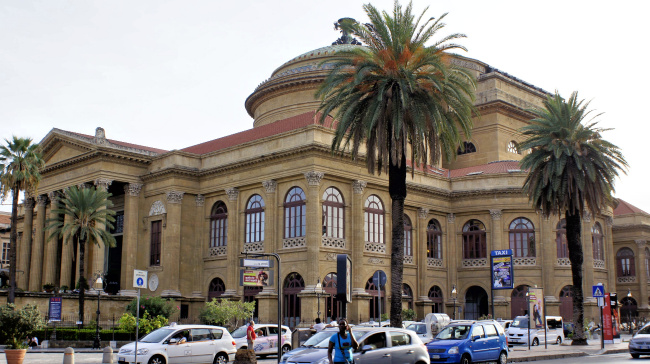
Internationally renowned opera and ballet performances take place here, making Palermo one of Europe's most important ‘playgrounds’.
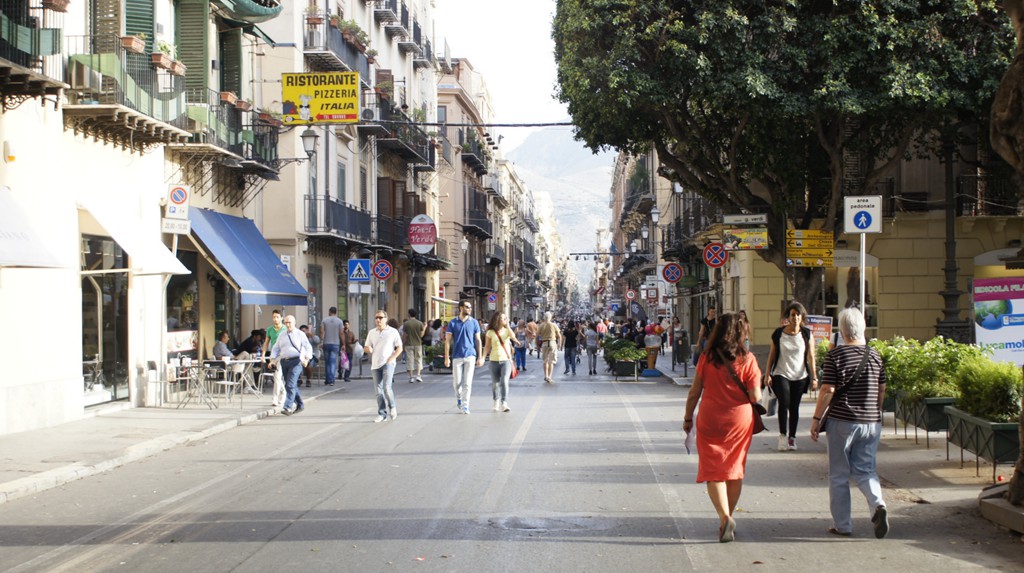
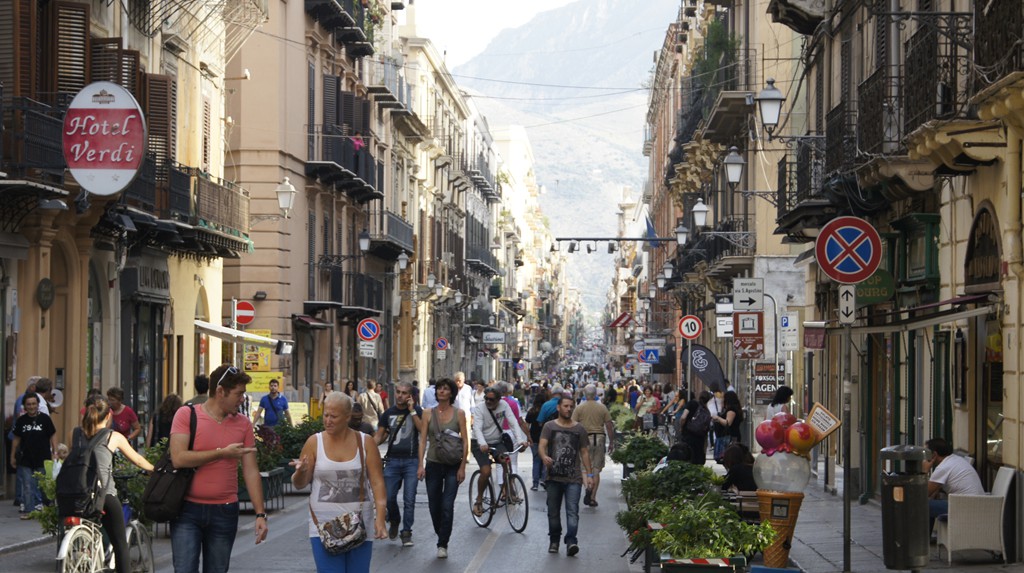
Via Maqueda
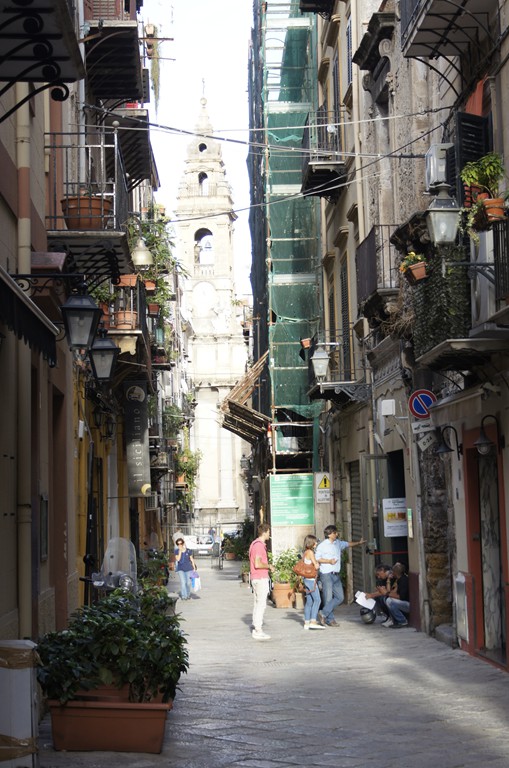
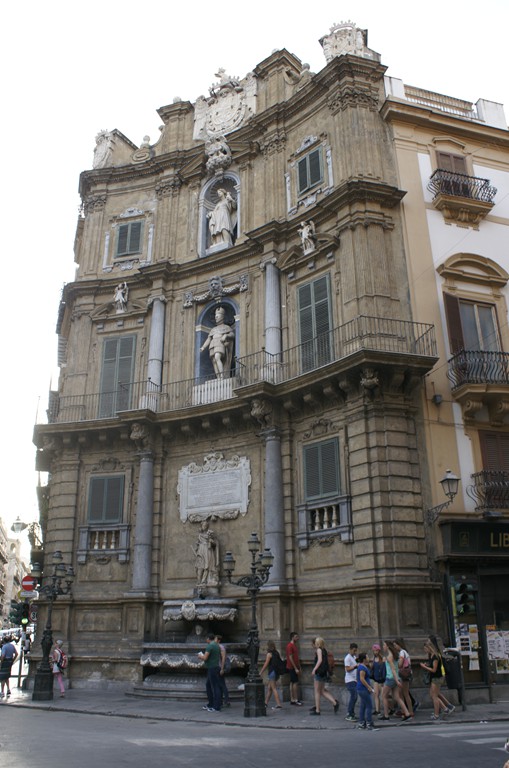
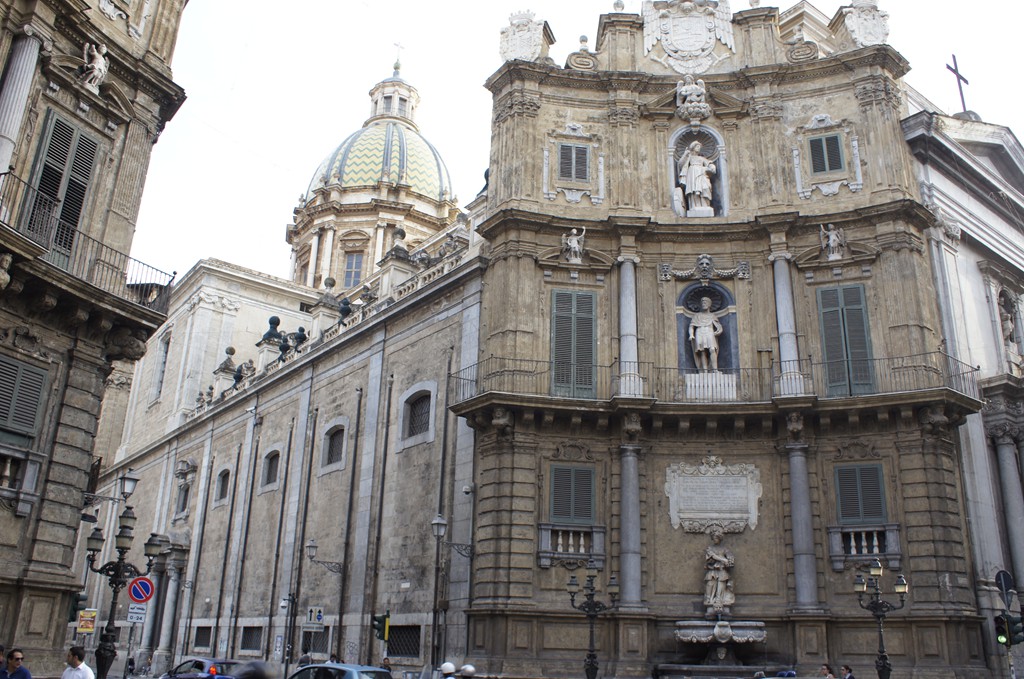
Via Maqueda is a historic pedestrian street in Palermo that runs from the Teatro Massimo to the railway station and stands out for its historic buildings, the Quattro Canti and Piazza Pretoria. This ‘new street’ from the 16th century is named after the then Viceroy of Sicily, Bernardino de Cárdenas, Duke of Maqueda, and is characterised by its magnificent architecture and wealth of monuments.
Here you can see photos of the street and a glimpse of some romantic side streets where it is easy to get lost.
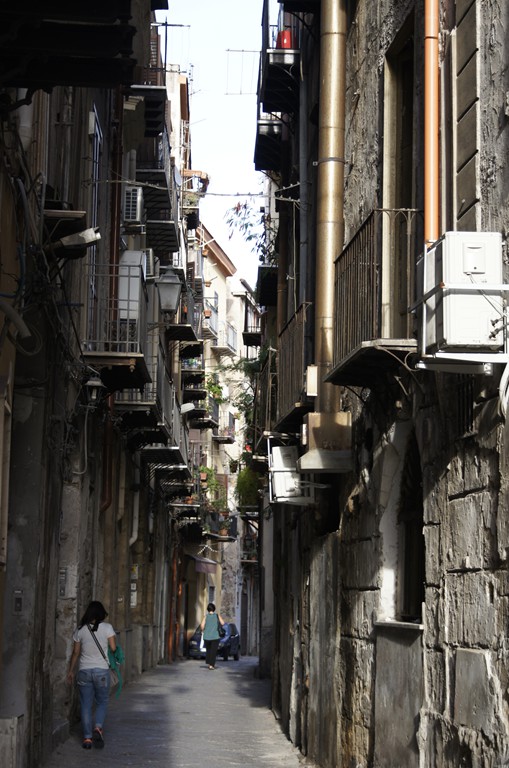
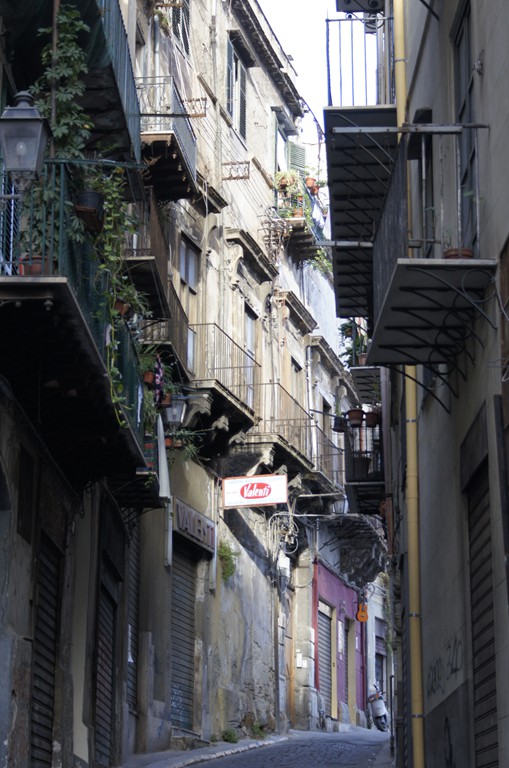
Quattro Canti
The square is officially called Piazza Vigliena, after the Spanish viceroy Juan Fernandez Pacheco de Villena, who commissioned the architectural ensemble. The square is also known as Teatro del Sole because sunlight falls on one of the corner façades throughout the day. At the four corners of the square stand the figures of Philip III (left in the first picture), Charles V (right in the first picture), Philip II and Philip IV.
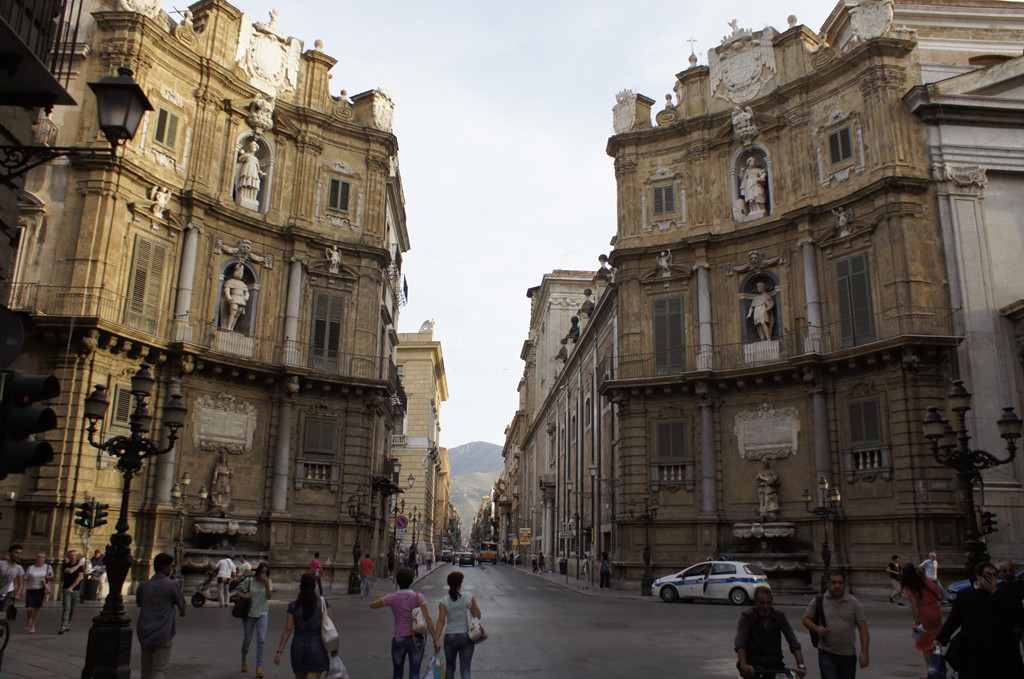
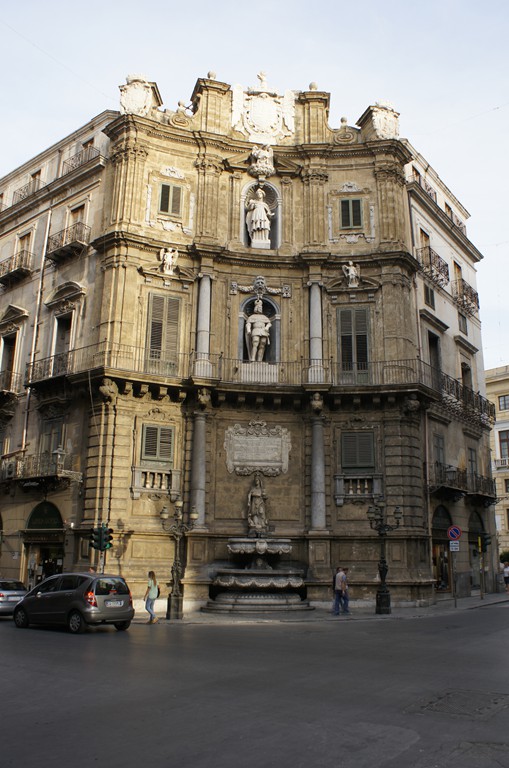
Piazza Pretoria
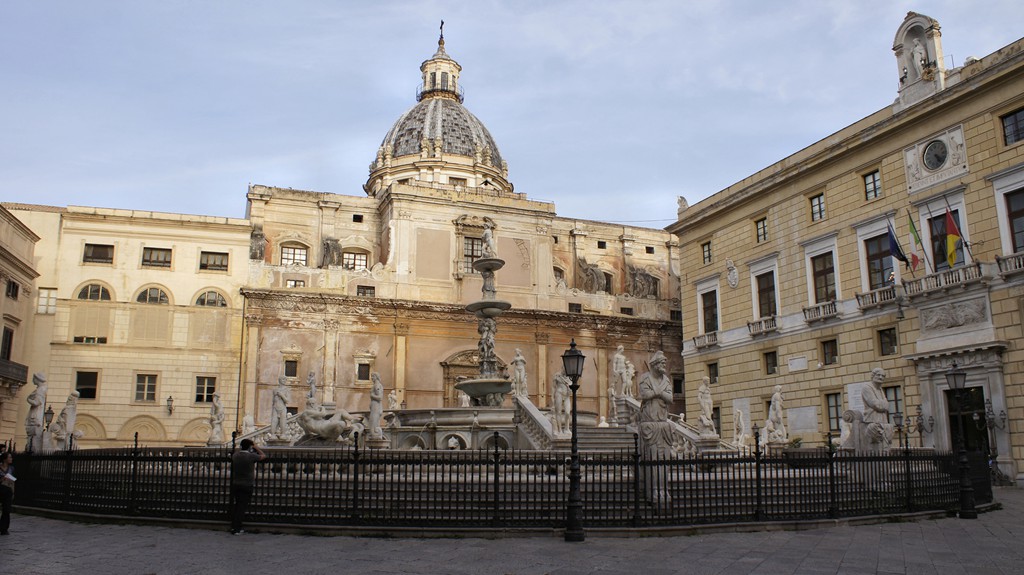
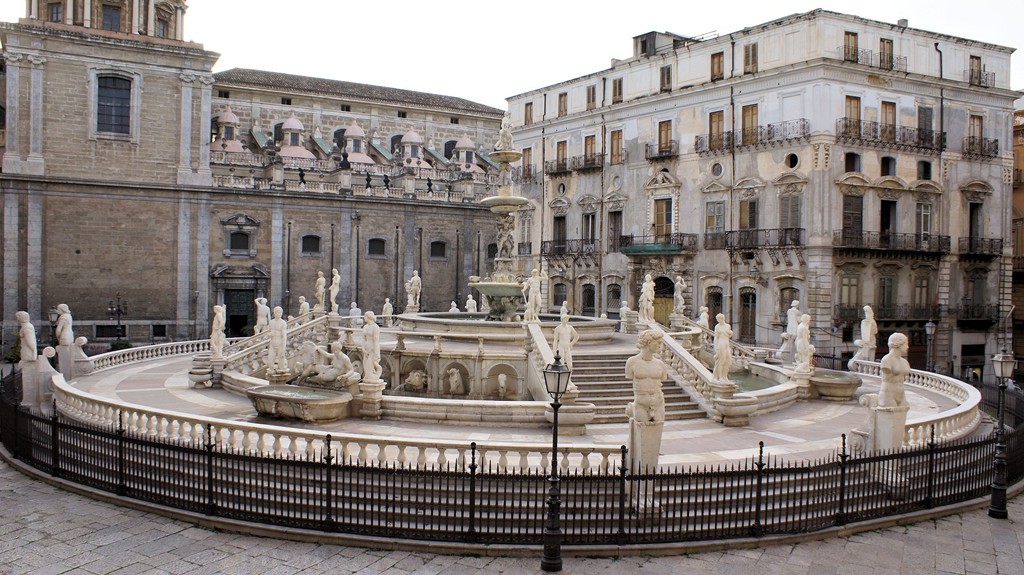
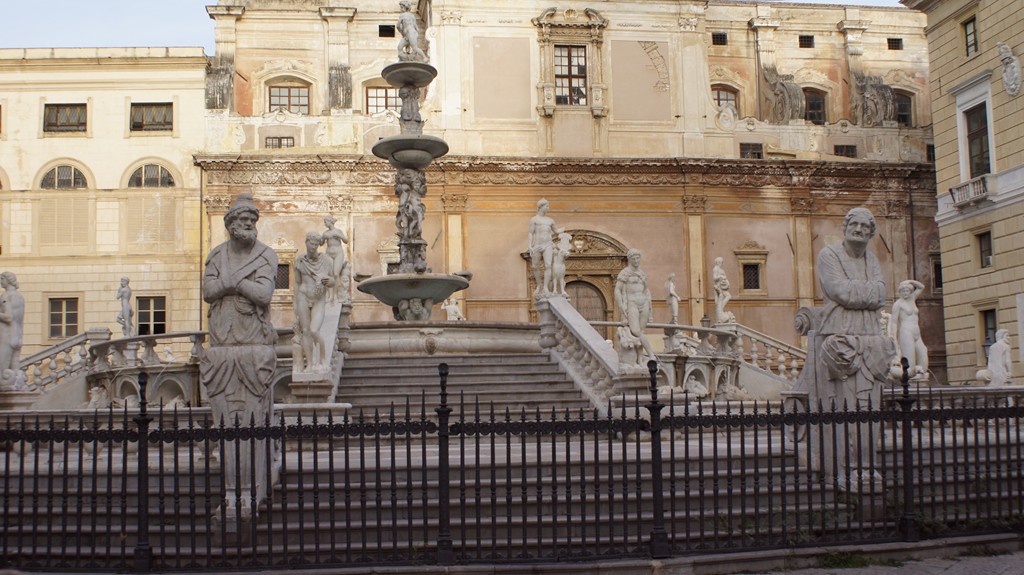
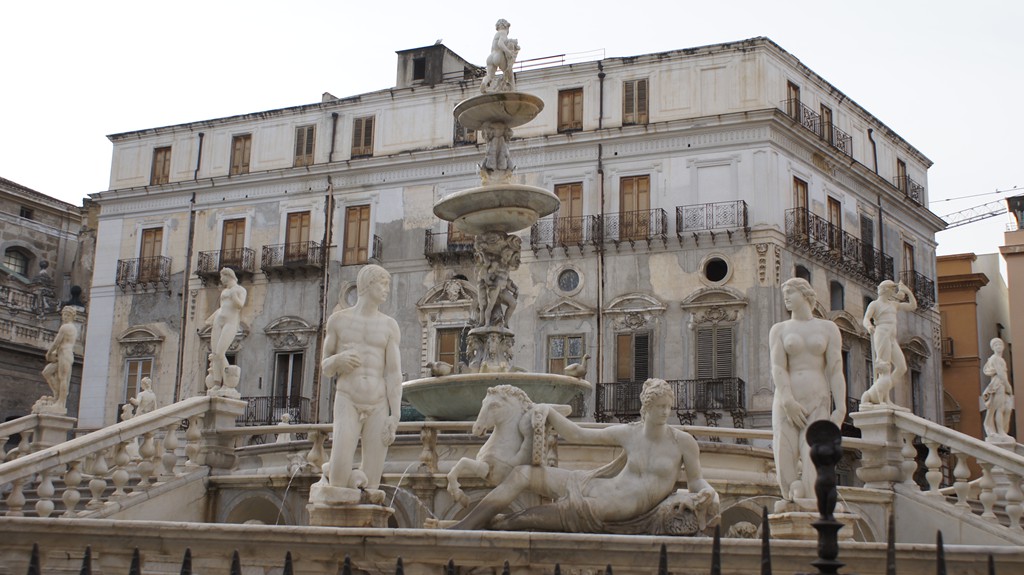
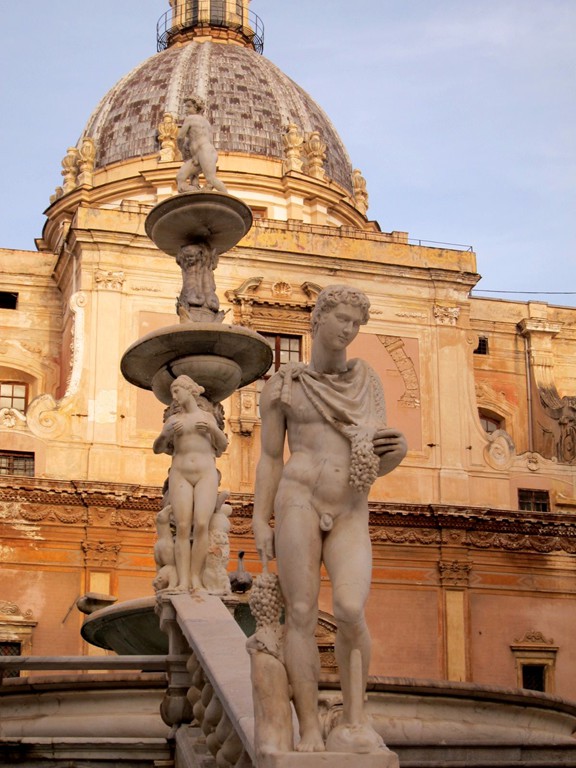
Piazza Pretoria was built in the 16th century to house the Mannerist fountain Fontana Pretoria. Due to the nude statues on this fountain, Piazza Pretoria was popularly named Piazza della Vergogna (Square of Shame). However, this derivation is not without controversy. Another explanation goes back to the origin of the statues. They were originally built for the park of a castle in Florence. When the owners went bankrupt, they sold the statues to a buyer in Palermo. The ensemble was dismantled into over 600 pieces, shipped and rebuilt under the supervision of the creator's son. In view of the hunger and general hardship, the people of Palermo expressed their outrage by naming the square Piazza Vergogna.
On the east side of Piazza Pretoria, across the street, is the Dominican church of Santa Caterina. To the south, the square is bordered by the Palazzo Pretorio, Palermo's town hall.
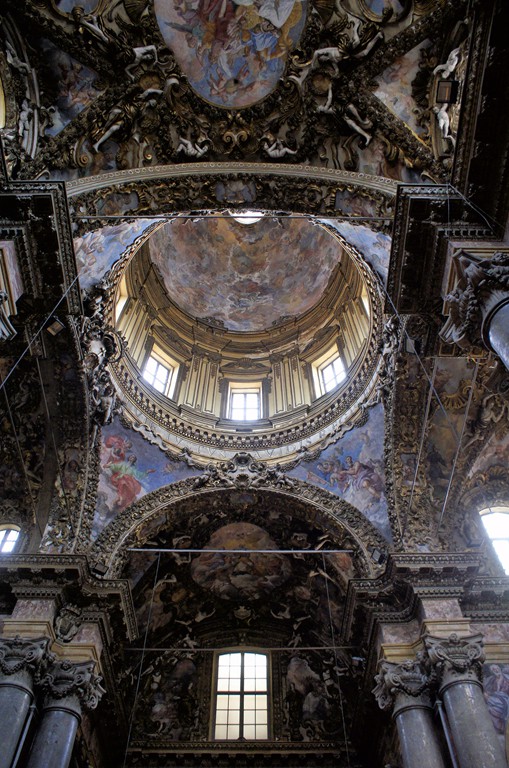
San Giuseppe dei Teatini
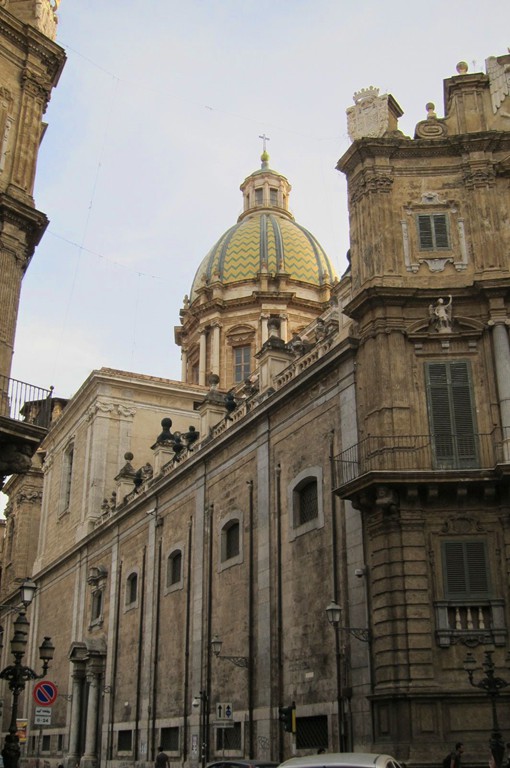
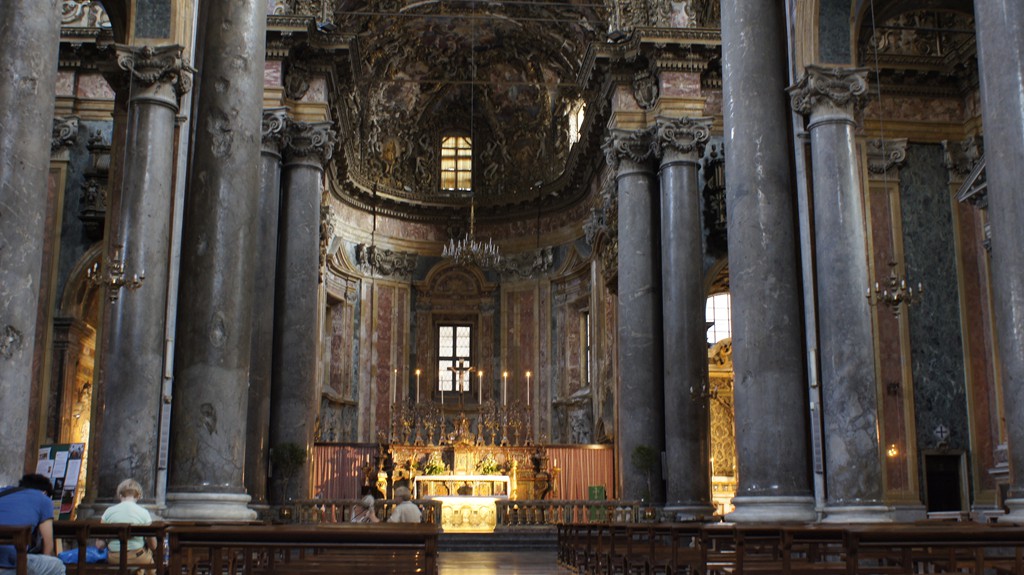
The Basilica of San Giuseppe dei Teatini is located on Via Maqueda opposite Piazza Pretoria.
The church was designed by Giacomo Besio, a member of the Theatine Order, and built between 1612 and 1645.
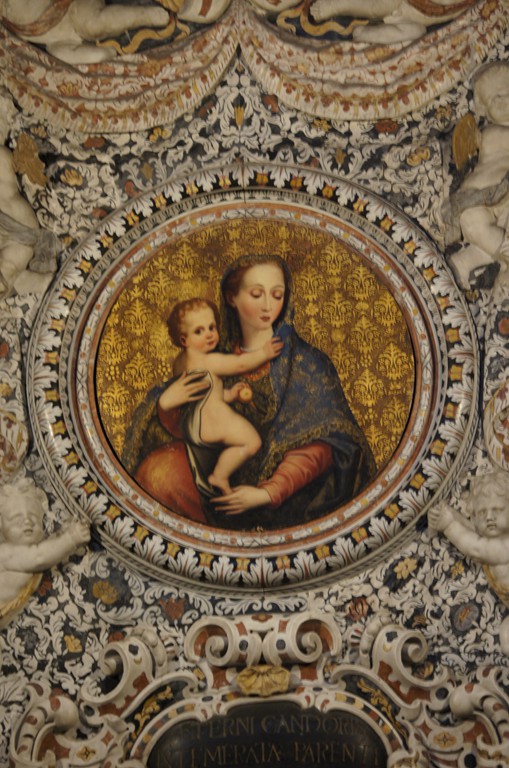
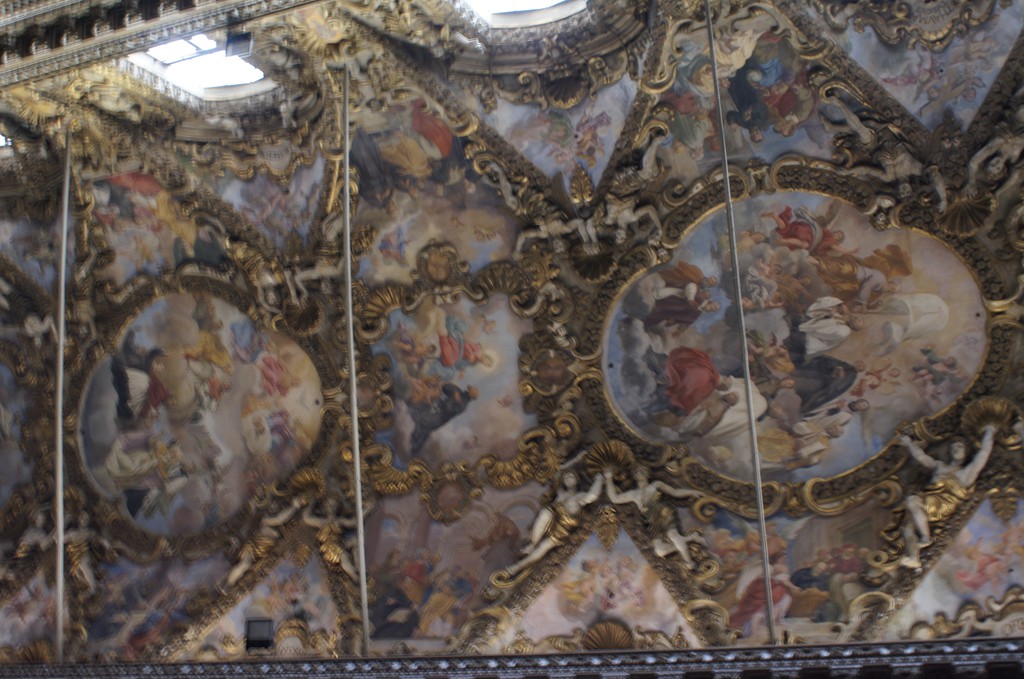
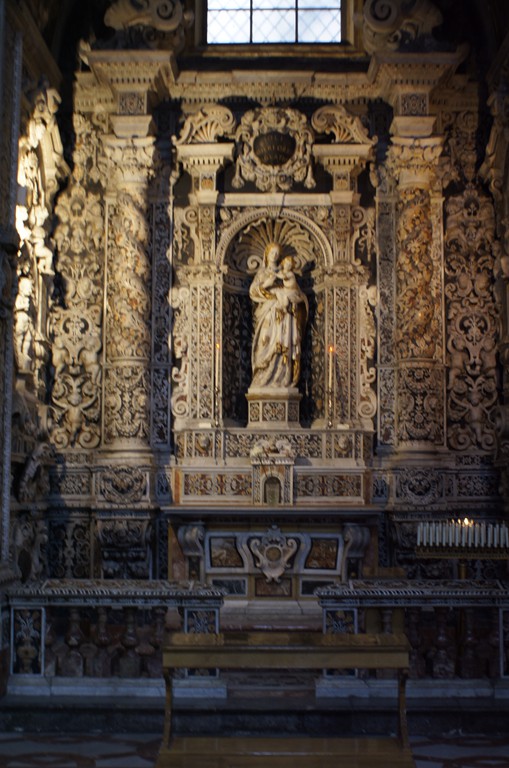
The three naves of the basilica are separated by marble columns. The church is decorated with frescoes, paintings, stucco work and sculptures. In the 18th century, Giuseppe Mariani added a dome covered with coloured ceramics.
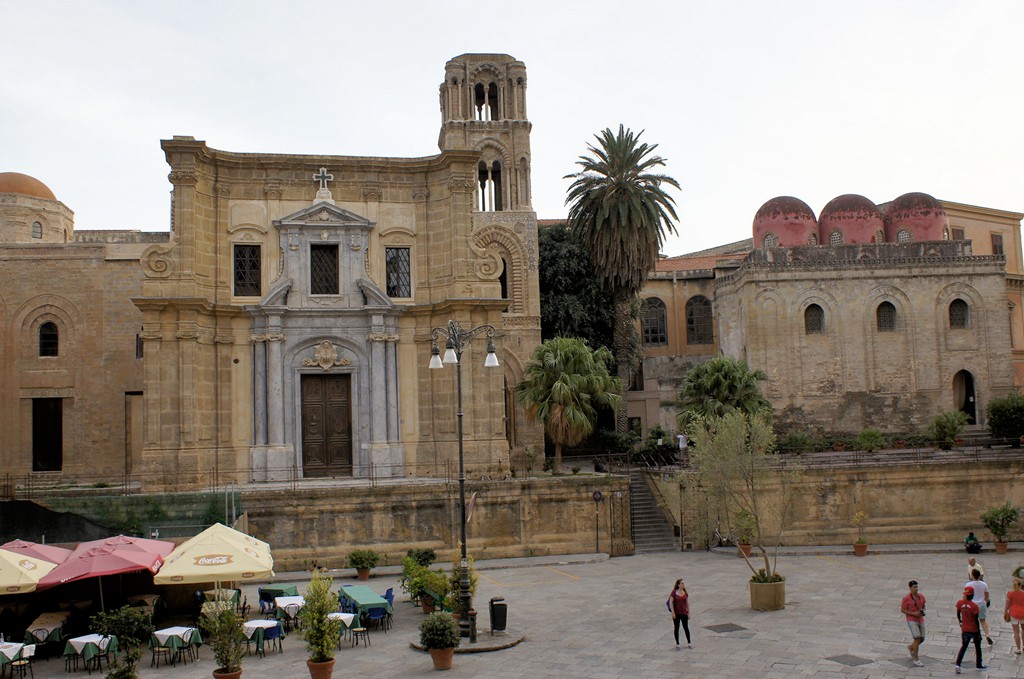
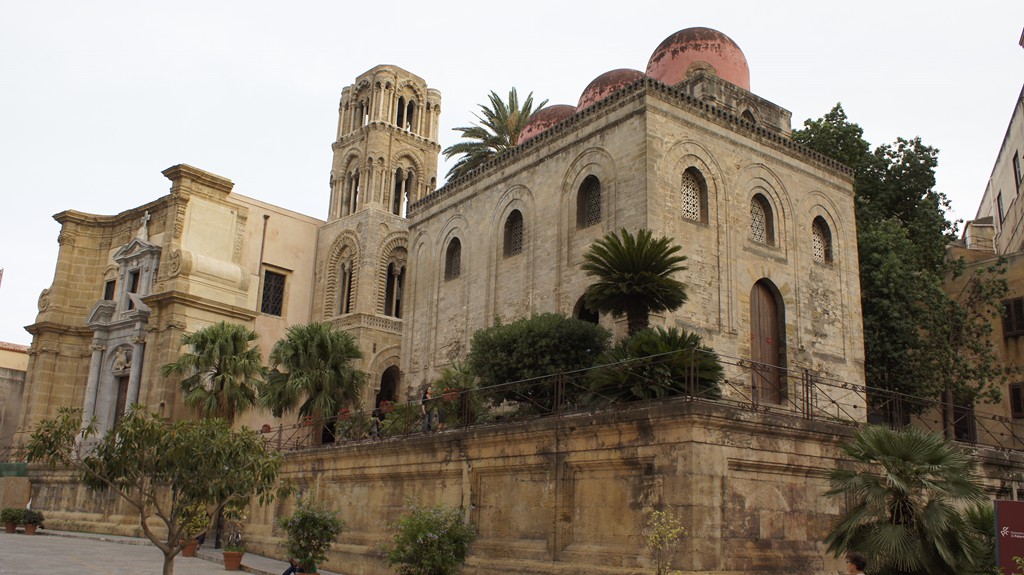
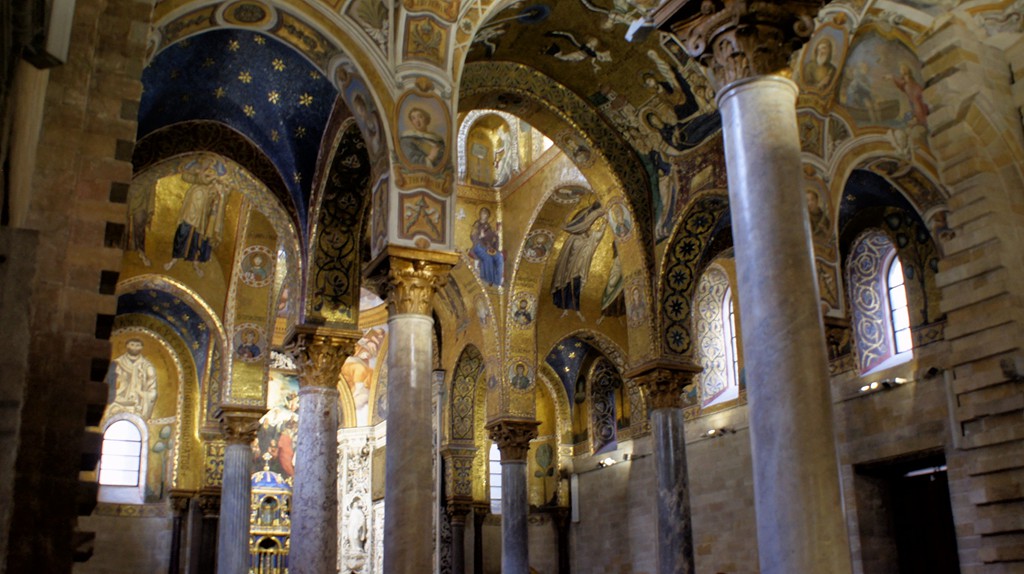
Chiesa di S. Maria dell'Ammiraglio
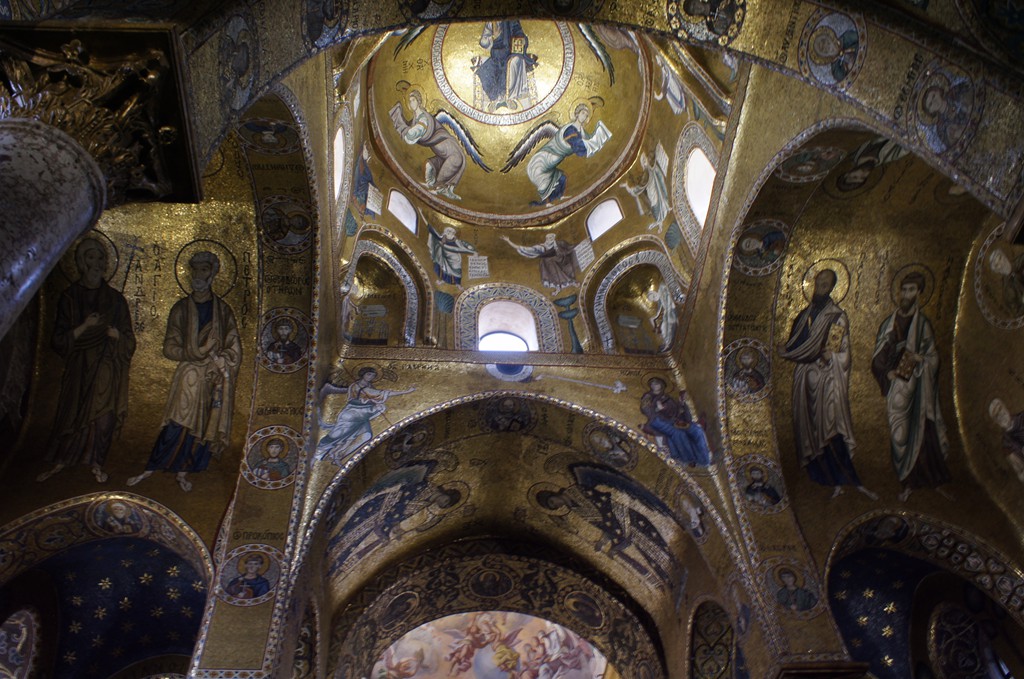
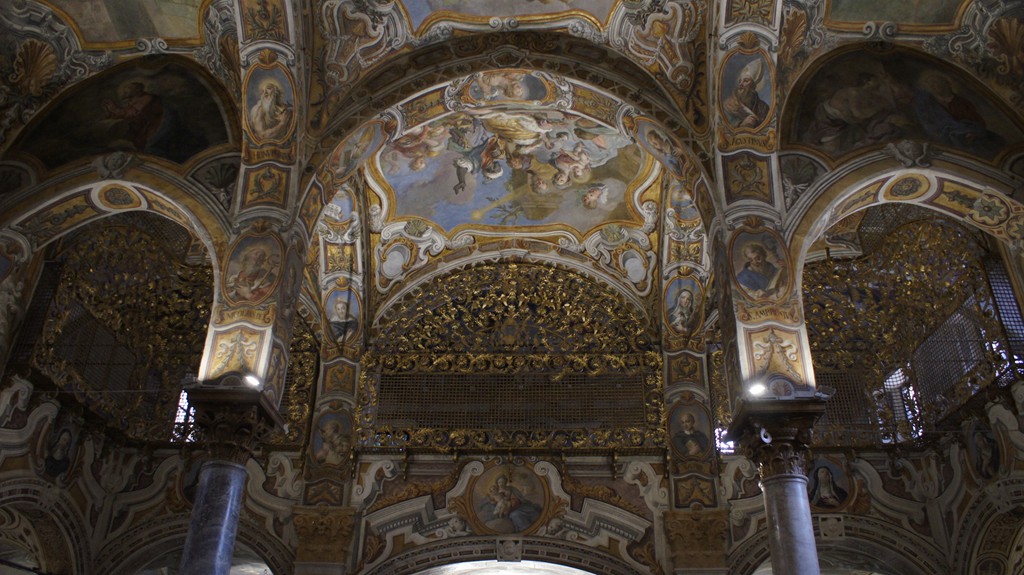
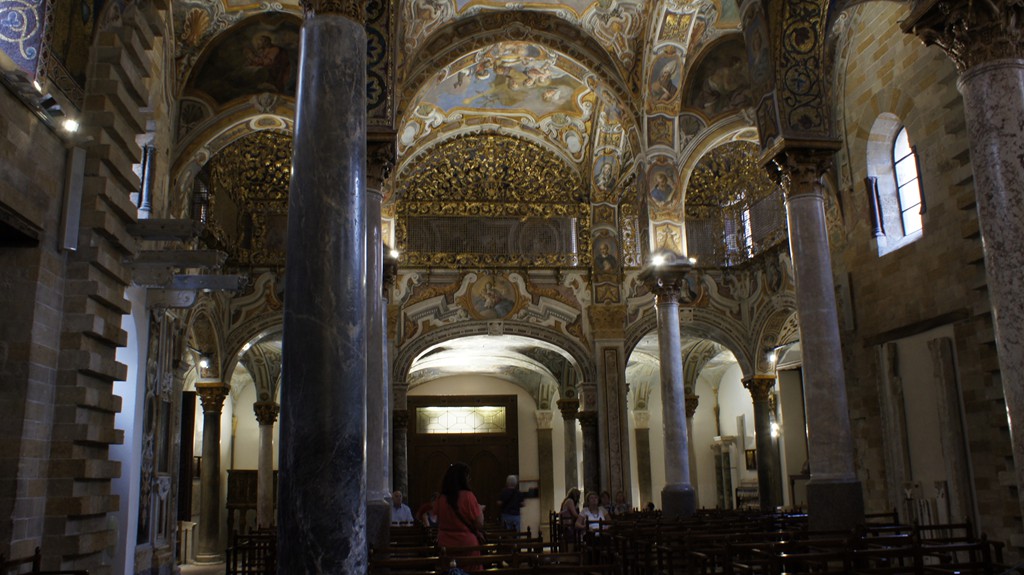
The church, also known as La Martorana, is located not far from Quattro Canti on the south side of Piazza Bellini, next to the Church of San Cataldo. Both date back to the 12th century.
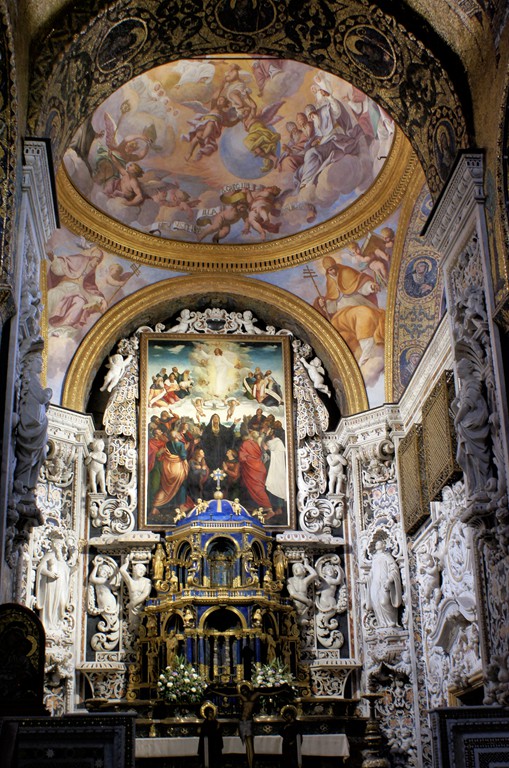
In the 17th century, the Romanesque apse was demolished and expanded into a rectangular Baroque sanctuary. A Baroque façade facing Piazza Bellini was added to the former atrium. During restoration work in the 19th century, the medieval state was partially restored.
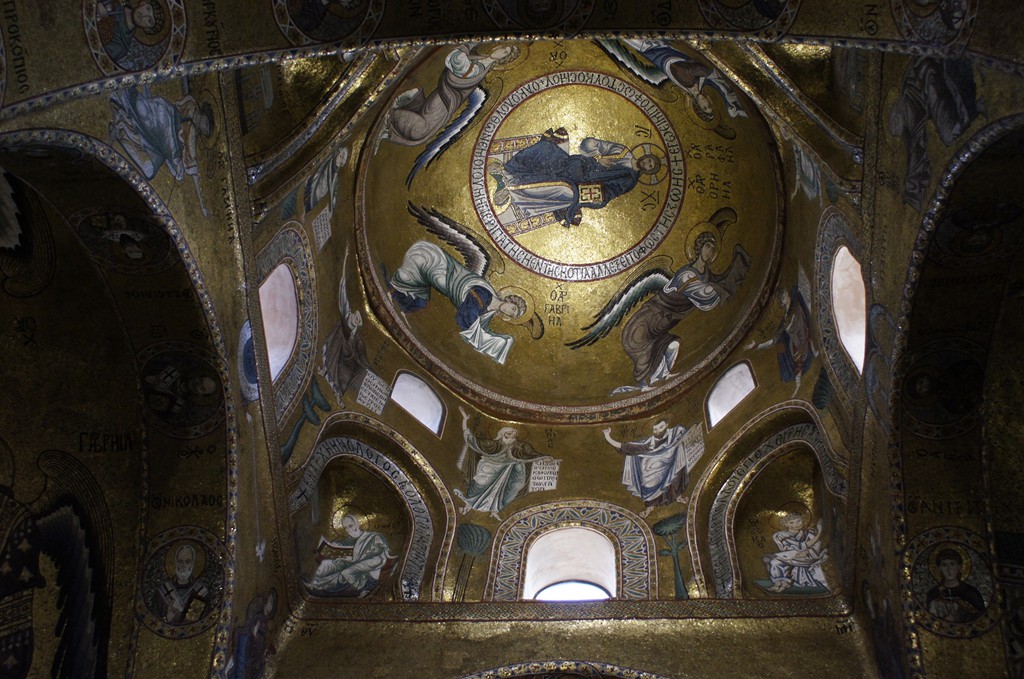
At the highest point of the church, in the 12th-century mosaic in the crossing dome, Jesus Christ is depicted as Pantokrator. At his feet lie four angels in a position of worship. Eight prophets are depicted on the sides of the octagonal tambour of the dome, and the four evangelists in the corner niches at the transition from the tambour to the crossing square.
San Giovanni degli Eremiti
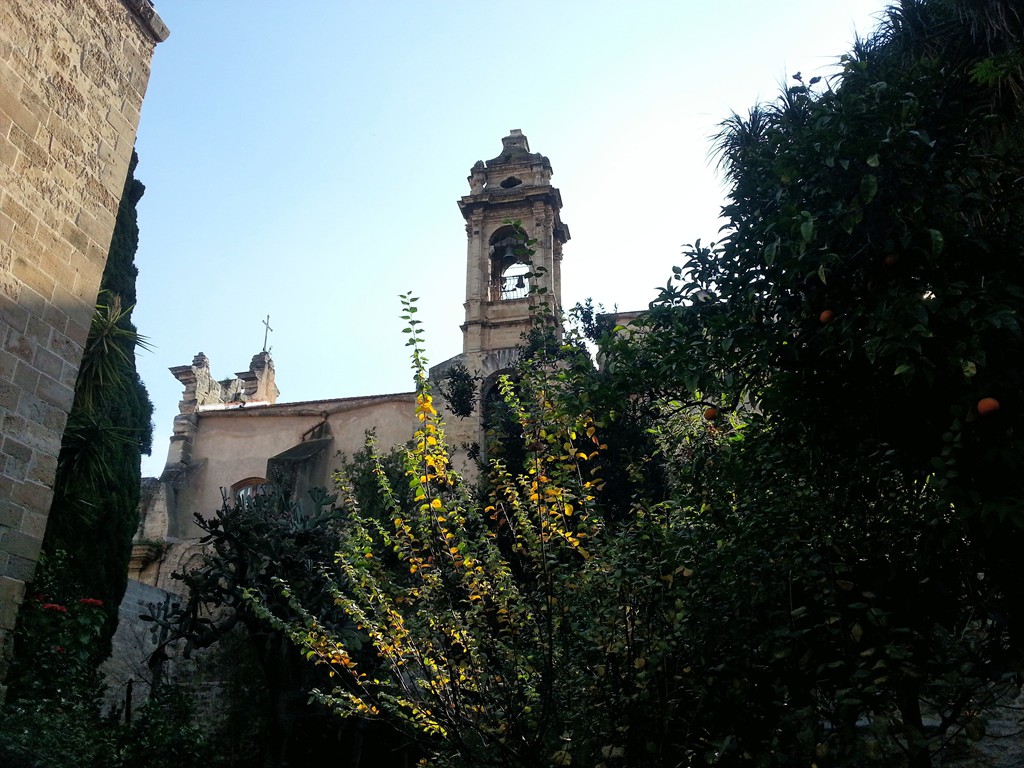
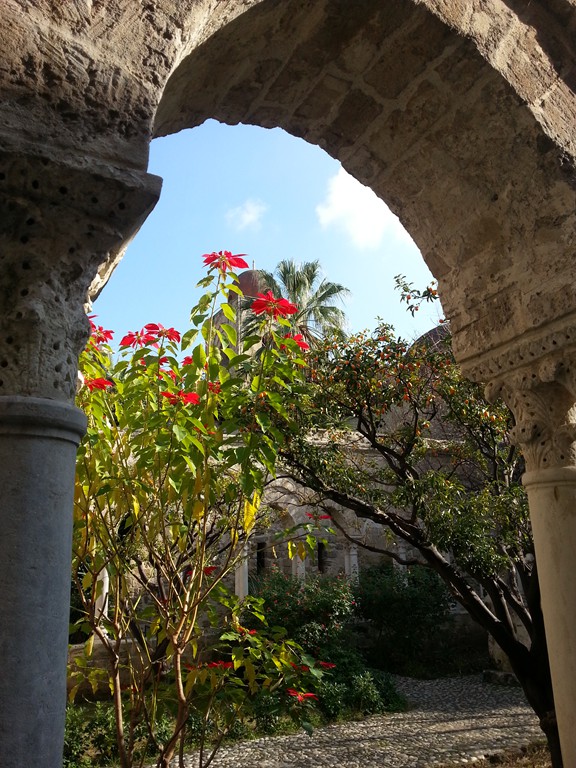
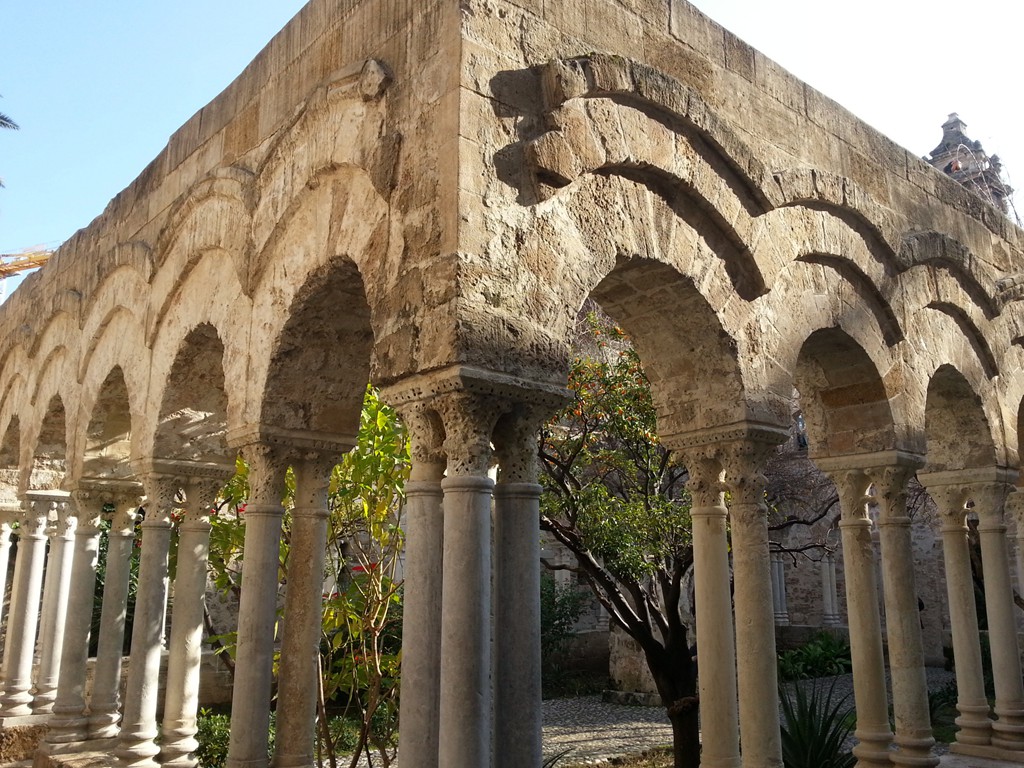
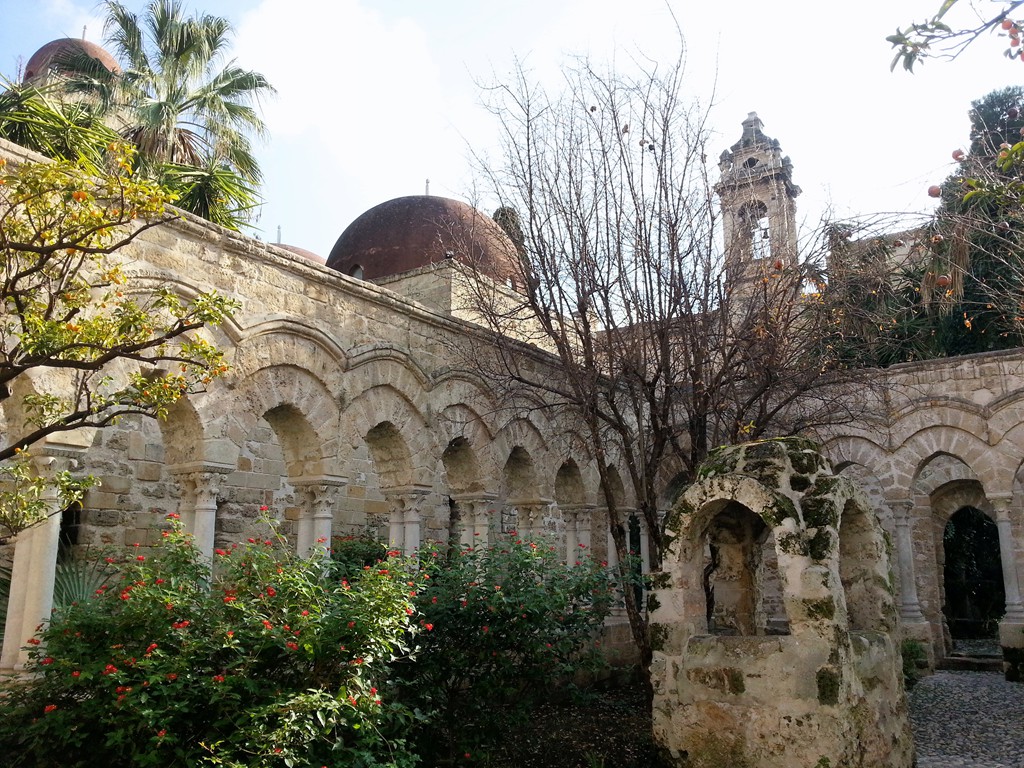
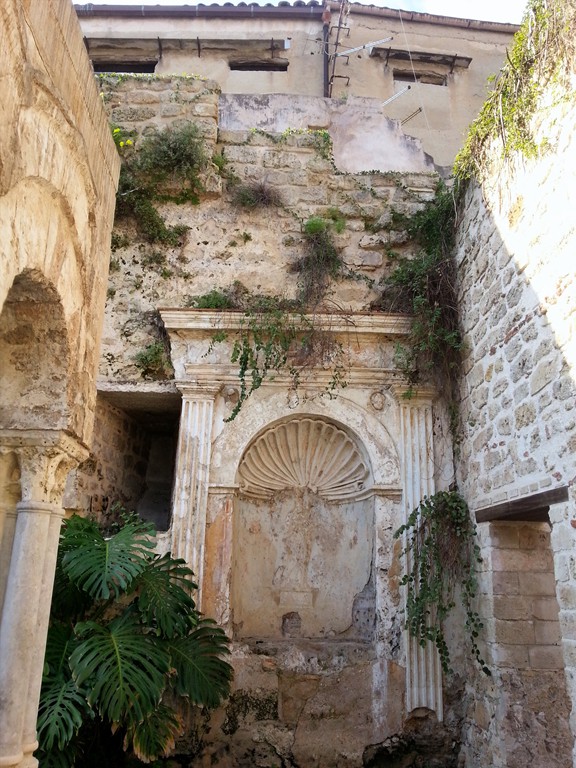
The Norman church building is located near the Norman Palace. When we arrived, the church was unfortunately already closed, and we could only visit the remains of the cloister. It dates back to the 13th century and is one of the destroyed buildings of the convent. Double marble columns support the slightly pointed arches. There is a fountain in the middle of the cloister.