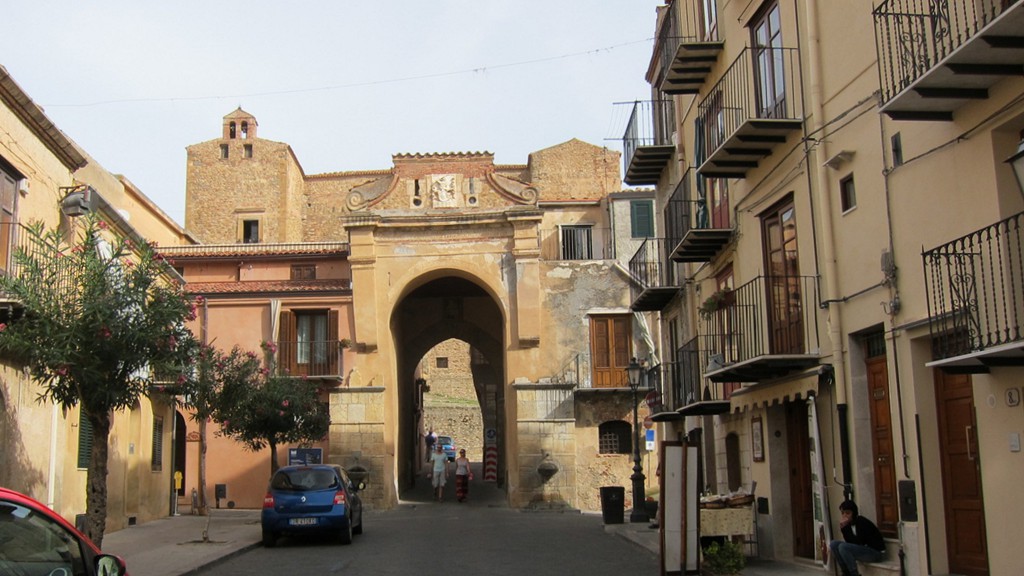
The town was founded by the Sicilians, the indigenous people of Sicily. During the 2nd millennium BC, the Sicilians settled in Sicily – long before the Greeks arrived on the island.
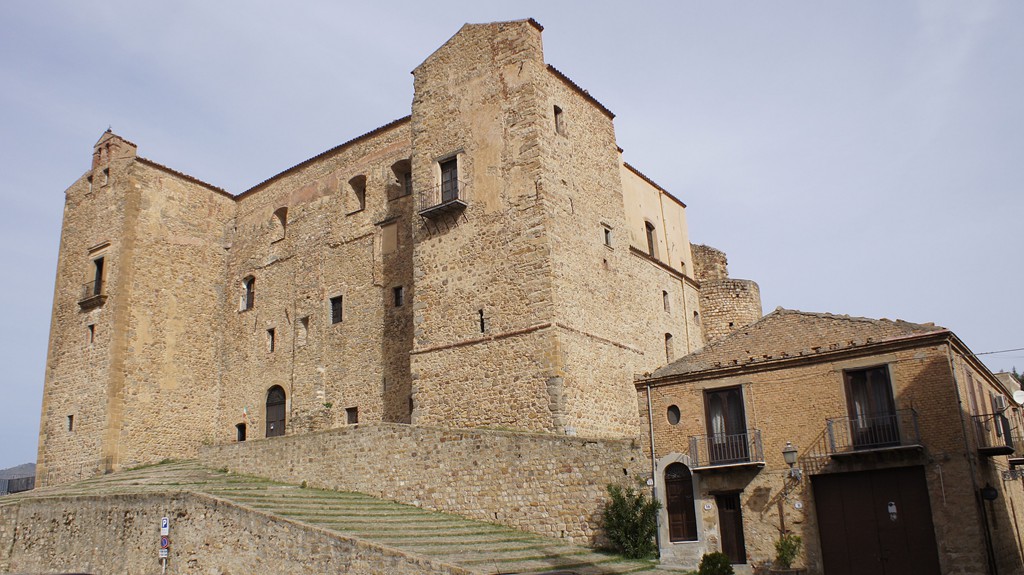
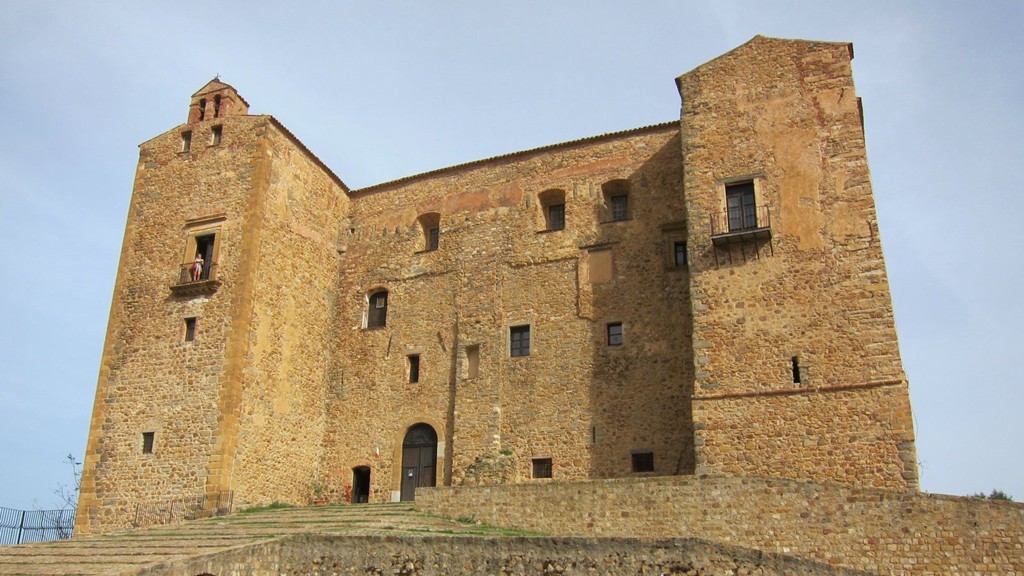
From 1316 onwards, Francesco I Ventimiglia built a castle. It served as the seat of the counts and, from 1595 onwards, as the seat of the princes of Ventimiglia. The town developed around the castle and was given its current name.
The Old Town
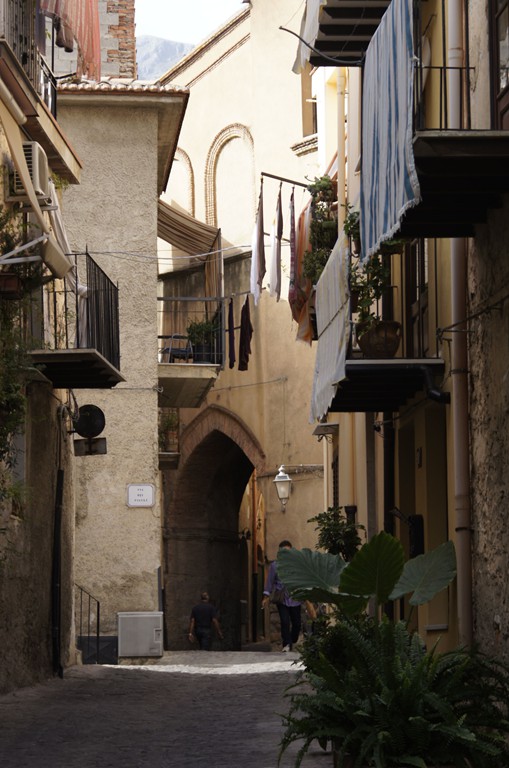
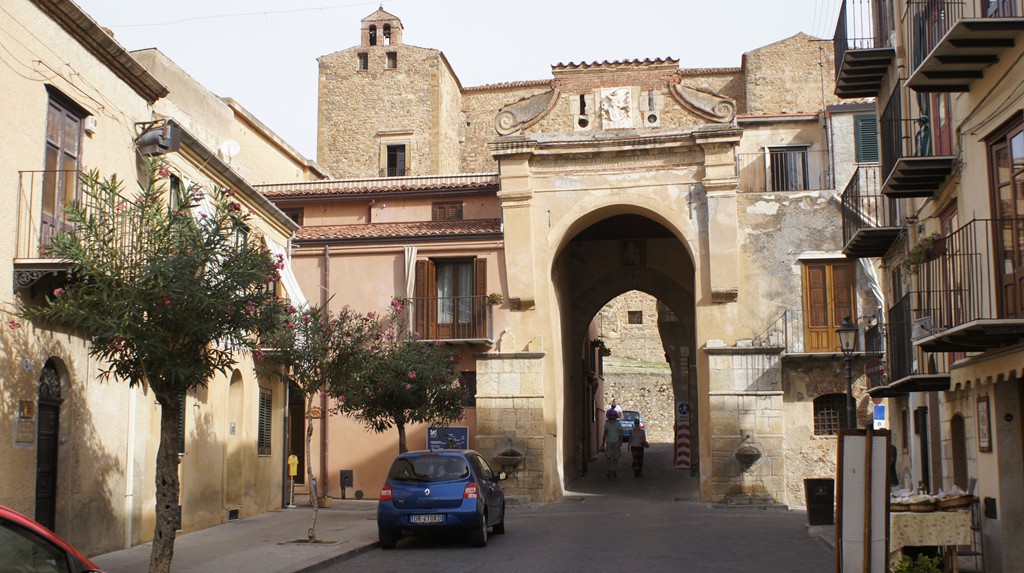
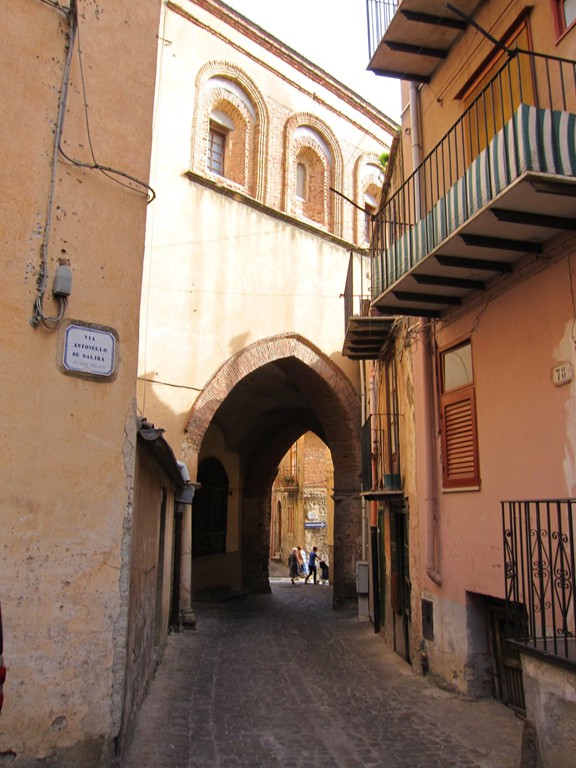
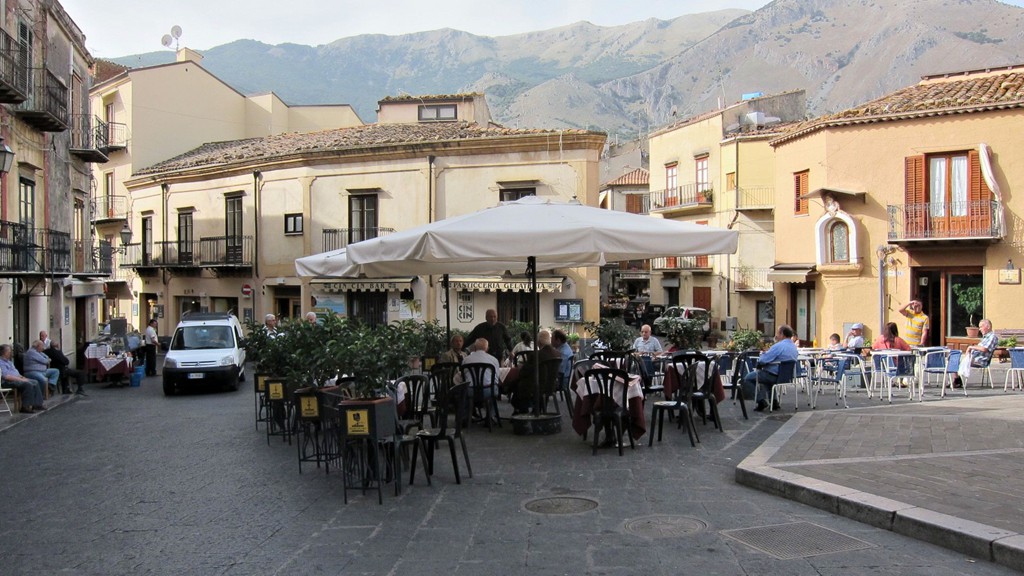
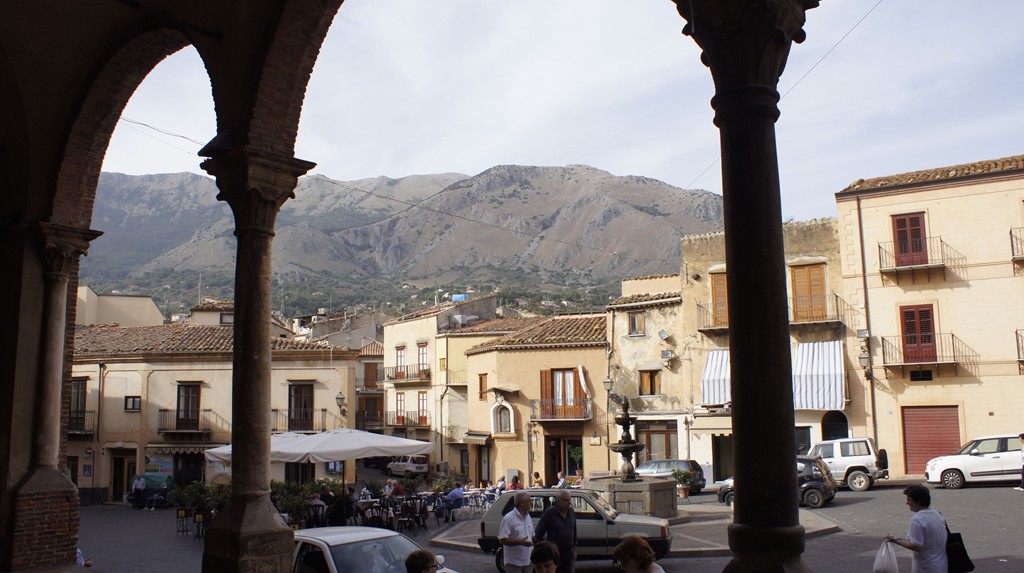
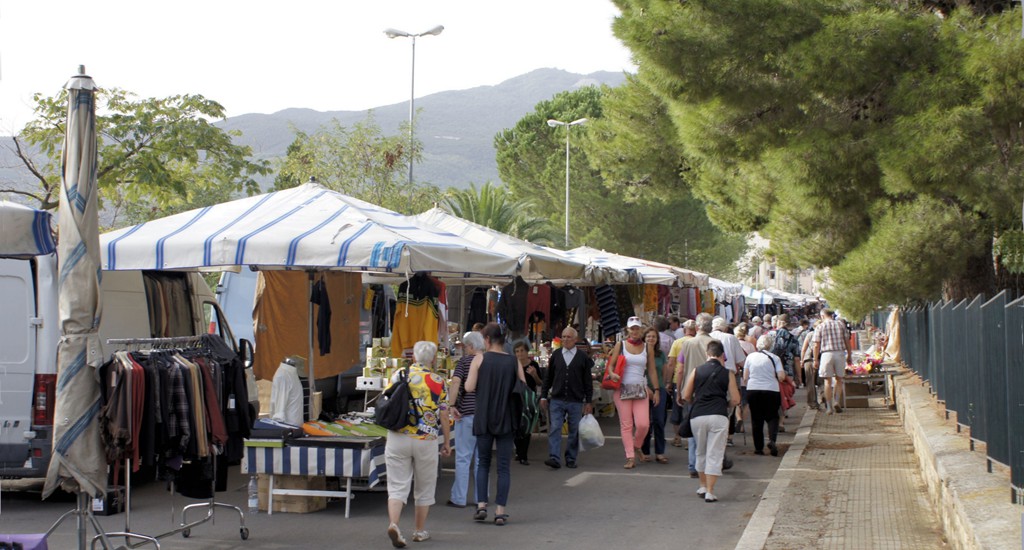
We took a stroll through the old town, visited the market and rested in Piazza Margherita.
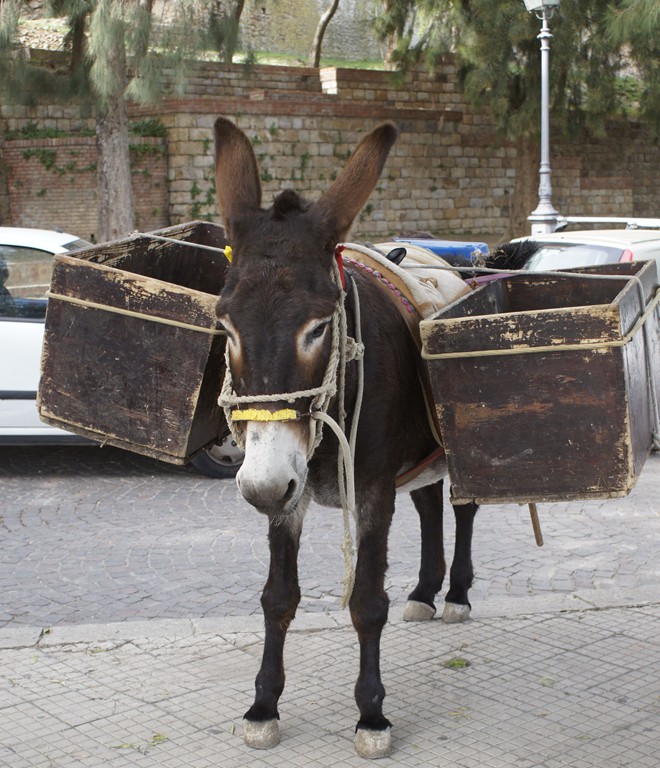
One special feature for which Castelbuono has become famous throughout Italy is the collection of residual waste with the help of donkeys. Early in the morning, they are led through the narrow streets of the town with containers on their backs. This form of waste collection is not only very gentle, but also extremely appealing.
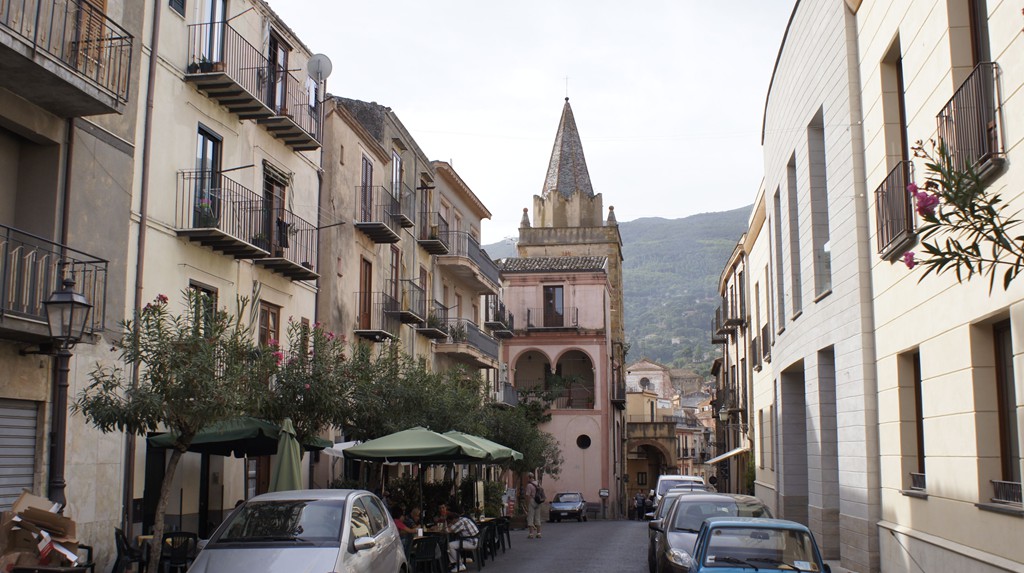
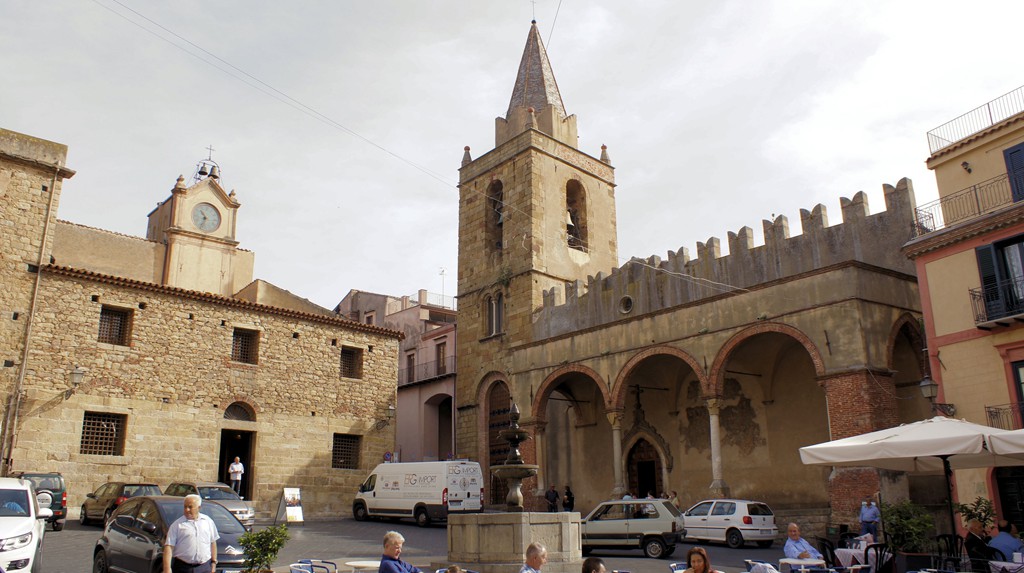
Chiesa Matrice Vecchia
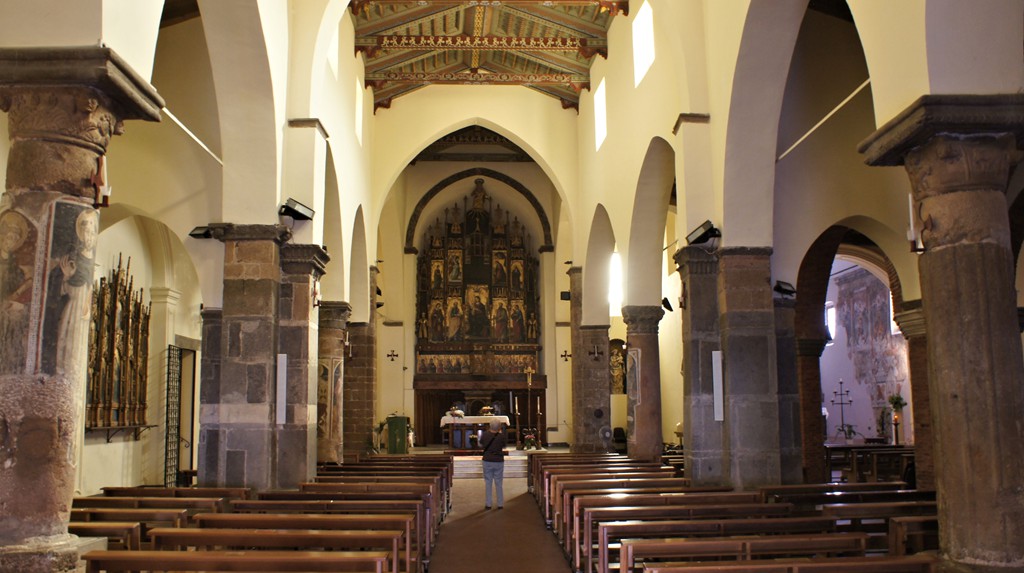
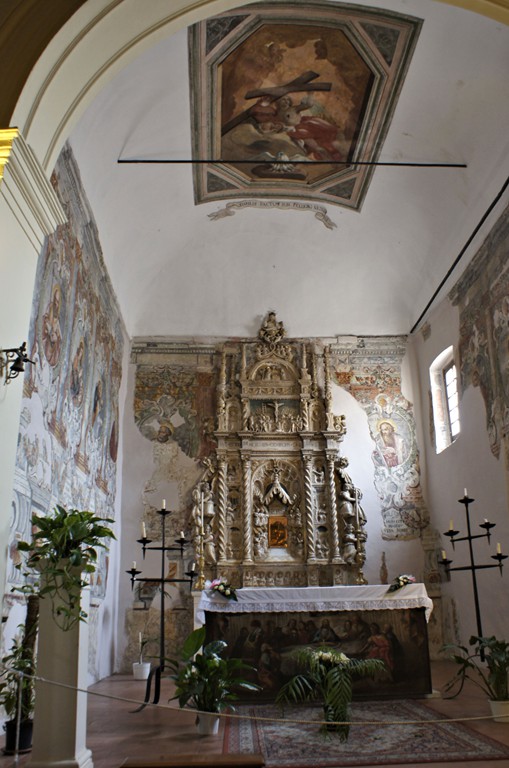
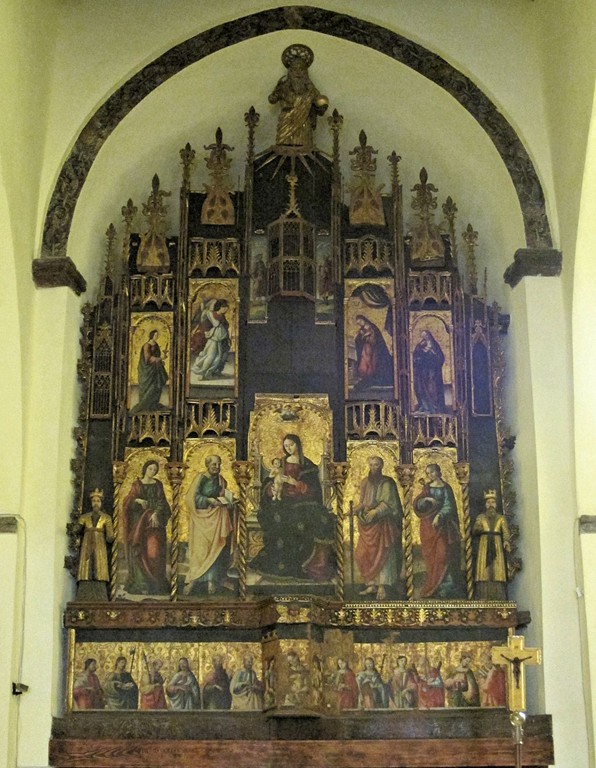
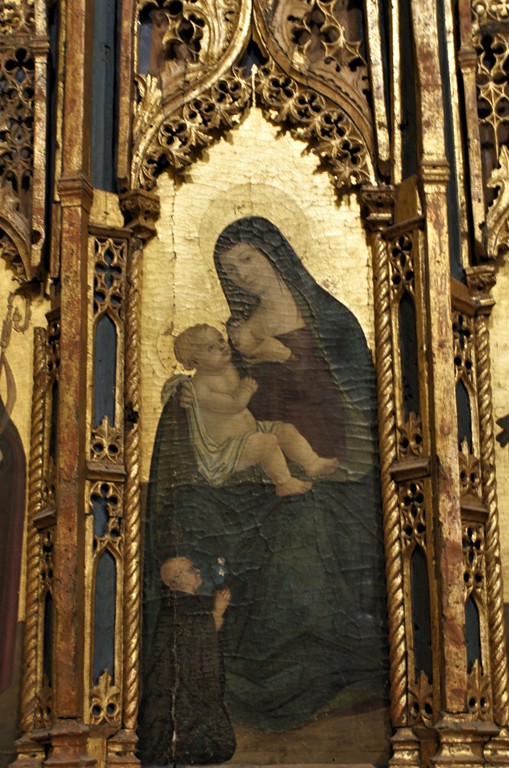
The church is dedicated to Maria Assunta. Its construction dates back to 1362. On the main altar there is a large panel painting, a work from 1520 attributed to Antonello de Saliba, grandson of Antonello da Messina, depicting the Virgin Mary holding the world. The winged altarpiece contains a painting of a patriarch wearing glasses, which is very rare in religious painting. Of particular importance are a 16th-century marble ciborium by Mastro Giorgio of Milan and a crypt under the presbytery where the sacrament is kept. Two niches contain statues of Santa Maria degli Angeli (1520) by Antonello Gagini and the Madonna del Carmelo (1500) by Bartolomeo Berrettaro. The wall of the façade under the veranda contains the remains of a fresco. The entrance door of the church is noteworthy, featuring an original Gothic-Catalan sculpture.
The Castle
The castle is located north of the city. It was built in 1316 and has been renovated several times since then. Inside are the Chapel of Sant'Anna with 17th-century stucco work and the Museo Civico with archaeological finds.