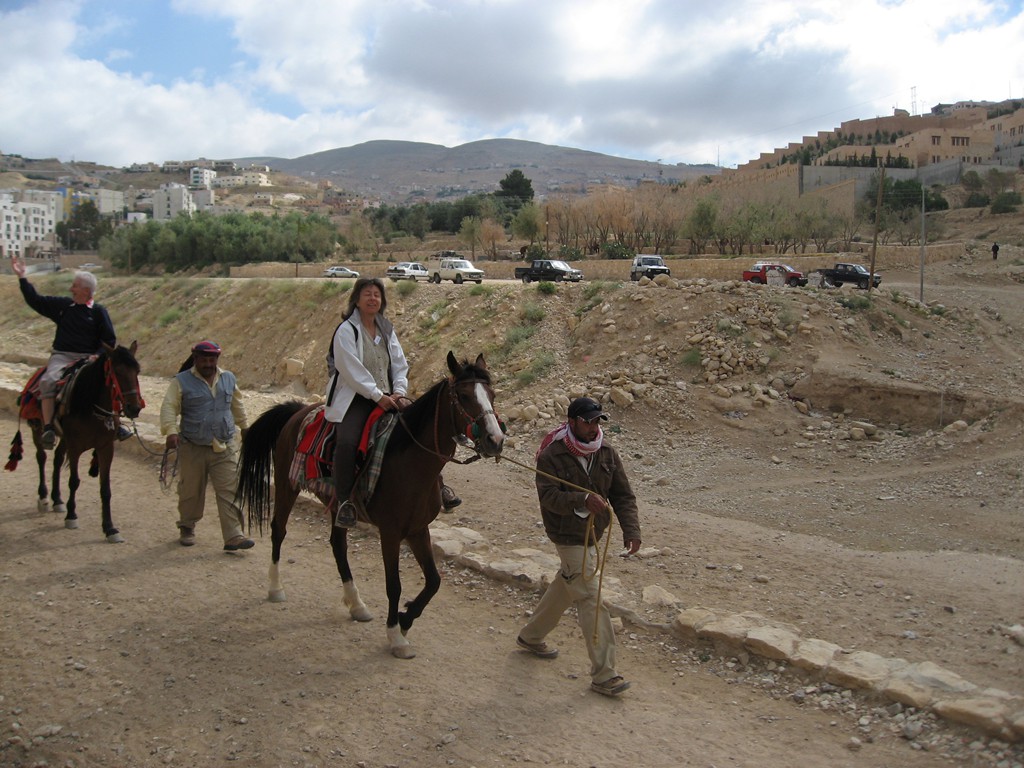
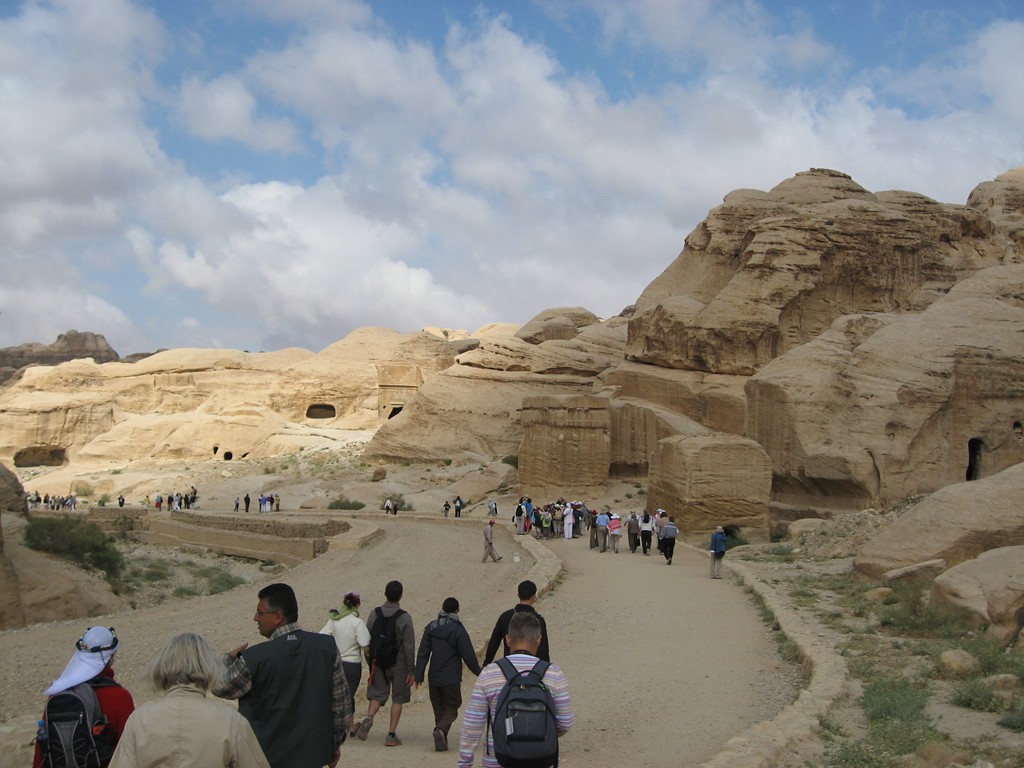
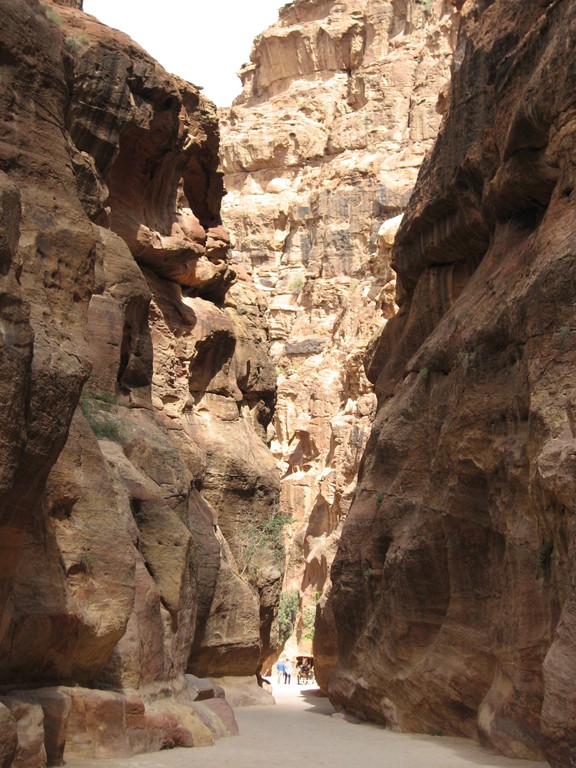
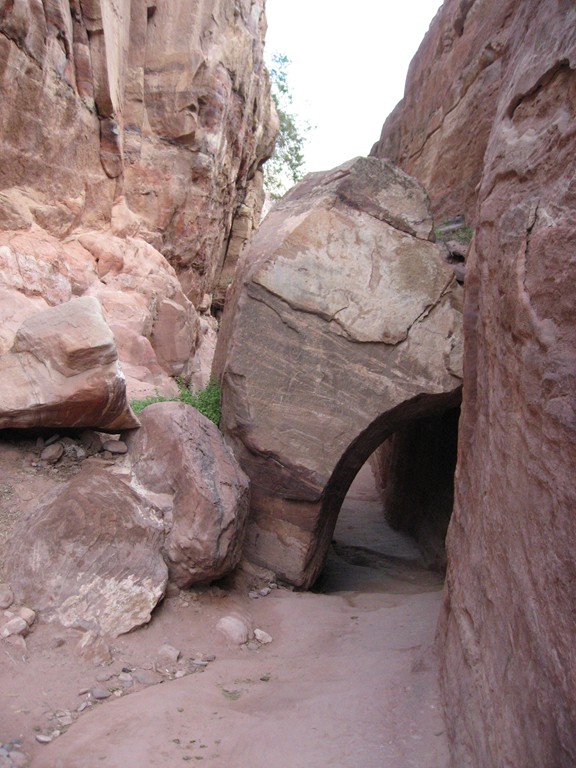
Petra was the capital of the Nabataean Empire in ancient times. Like every visitor to Petra, we first crossed the 1.5 km long gorge ‘Al Siq’, which is 2-3 metres wide at its narrowest point. The path leads steadily downhill. Some of us also rode part of the way. The gorge was formed when the soft sandstone was eroded by water and wind. At its deepest point, the sandstone cliffs rise about 70 metres into the air.
The Treasury
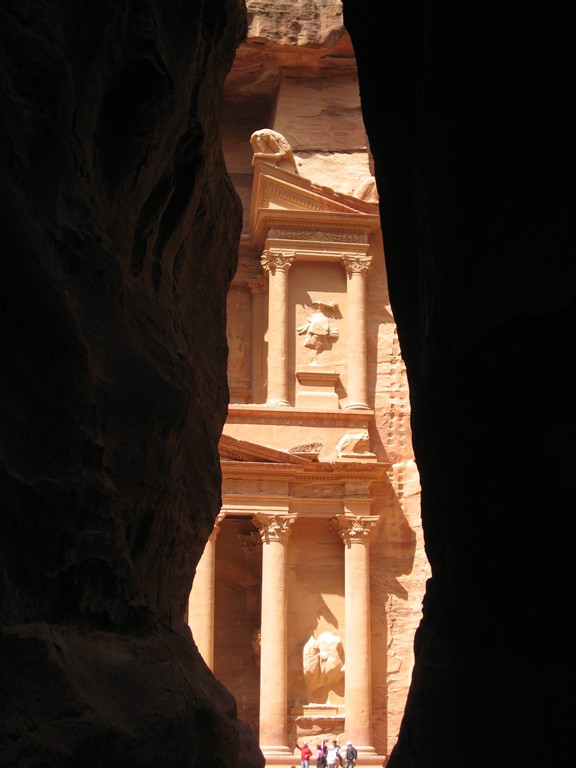
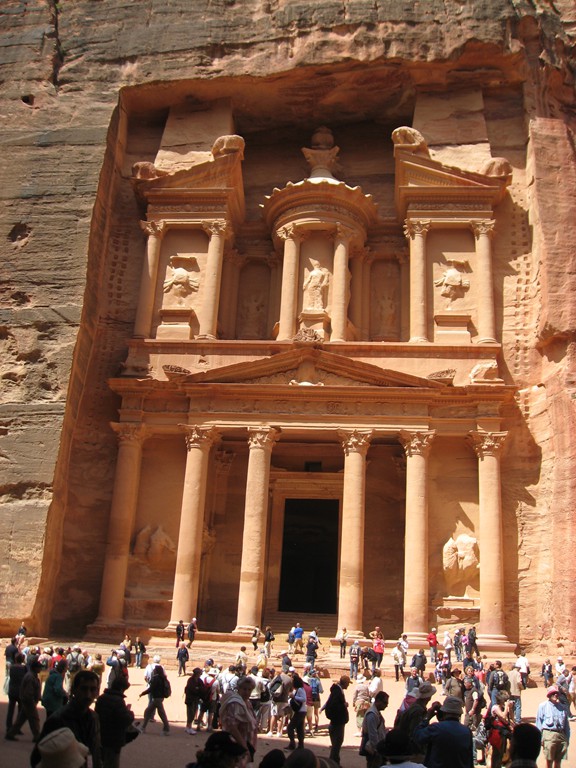
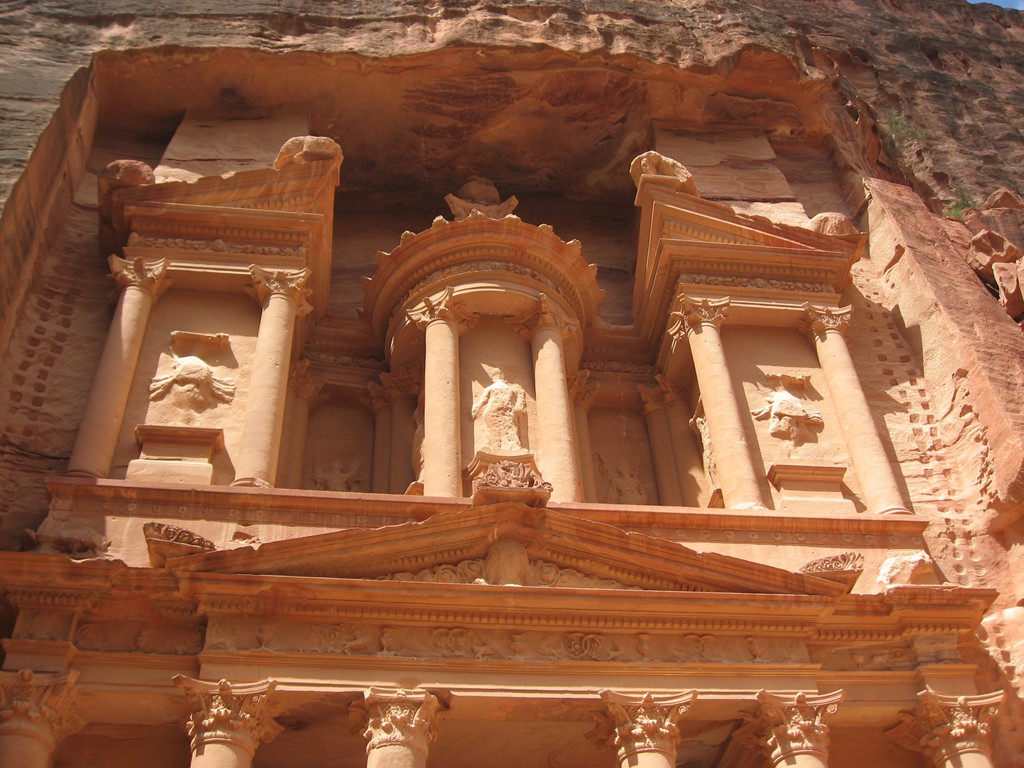
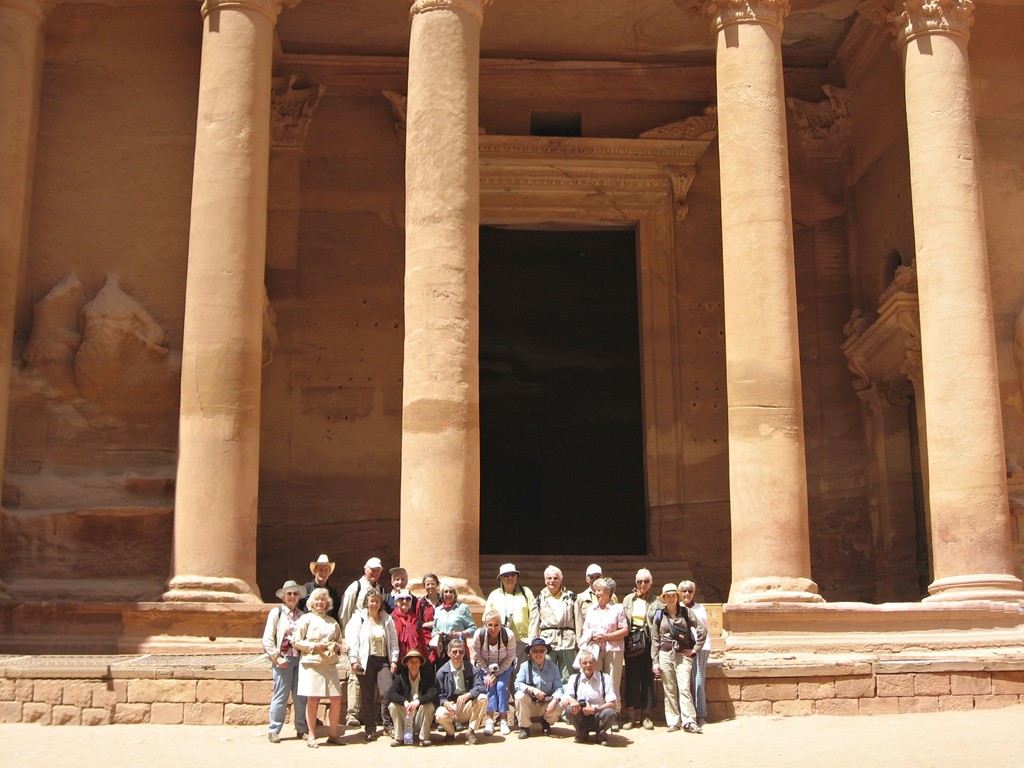
The Khazne al-Firaun, or ‘Treasury’, is the first highlight of the city itself. Here, the Siq widens to reveal the 40-metre-high and 28-metre-wide building, artfully carved into the sandstone.
It is actually a tomb. The name ‘Treasury’ comes from the legend that the pharaoh's treasure is said to lie at the top of the building. Film lovers will also recognise it from the adventure film ‘Indiana Jones’ (1989).
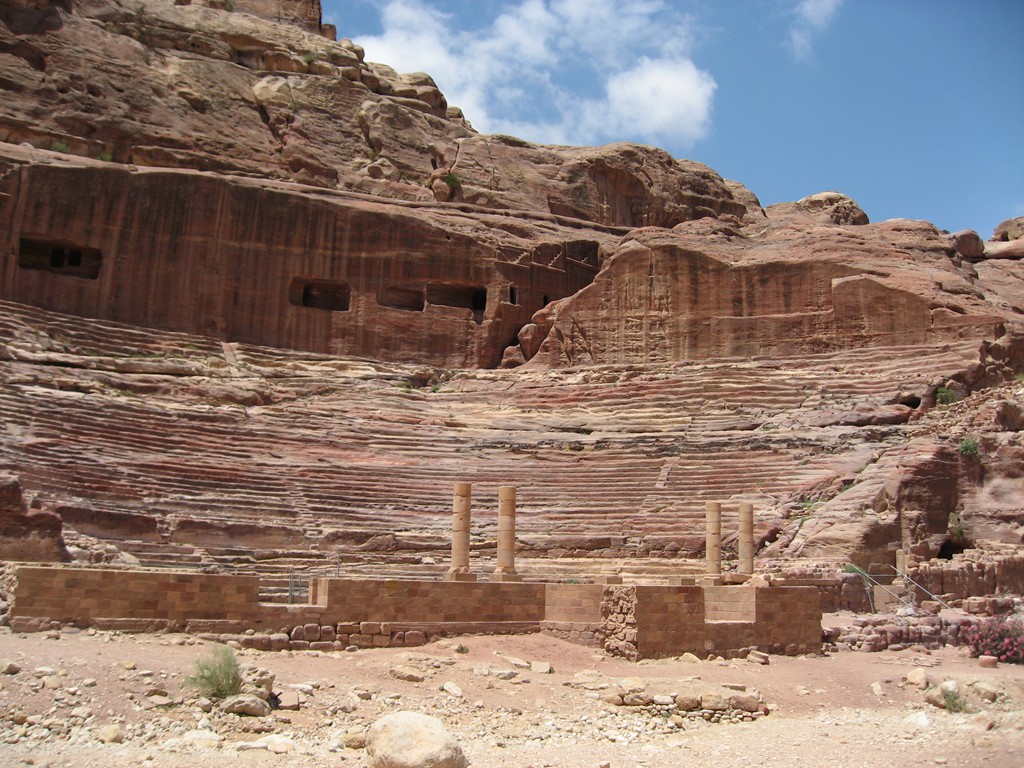
The Roman Theatre
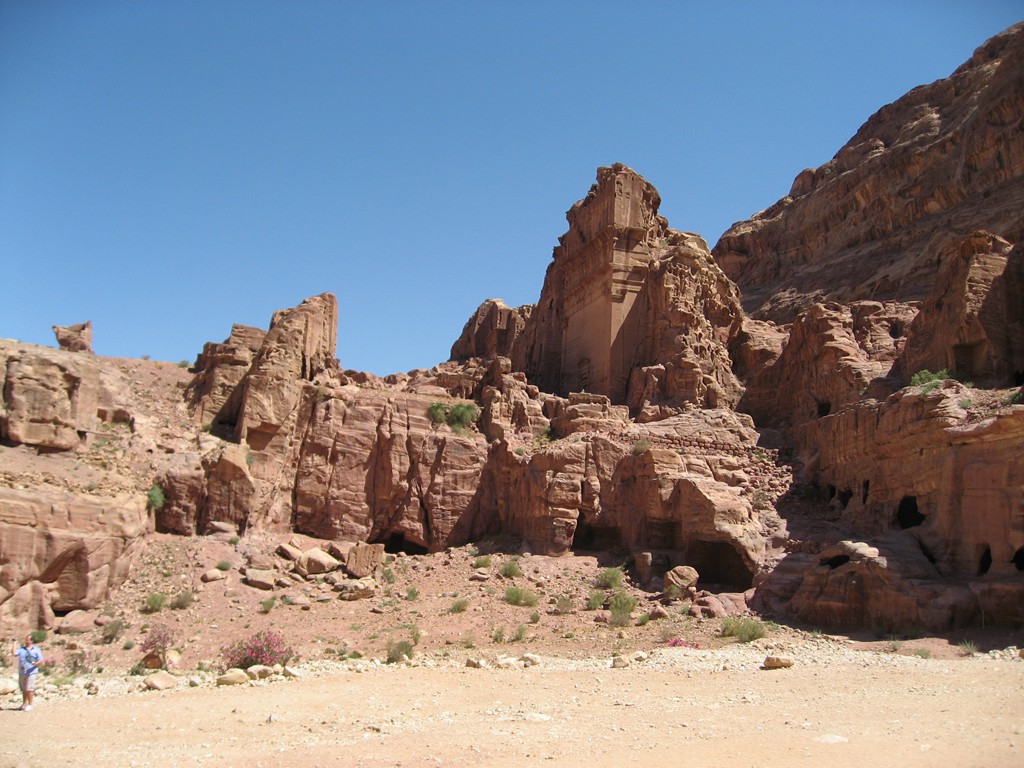
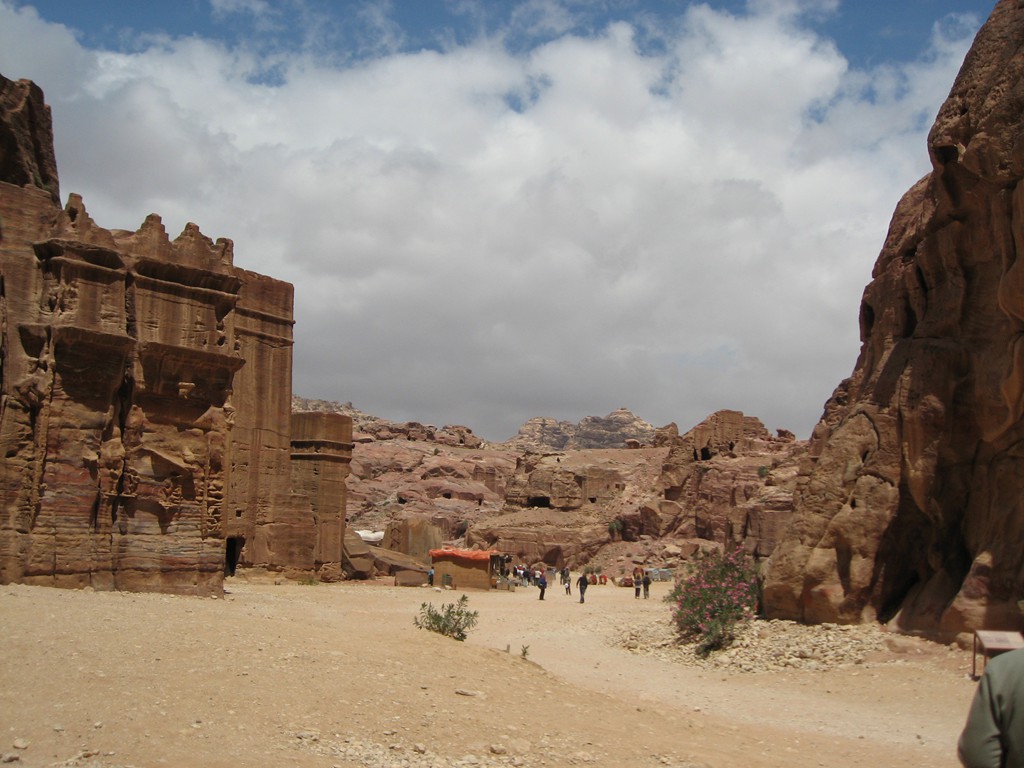
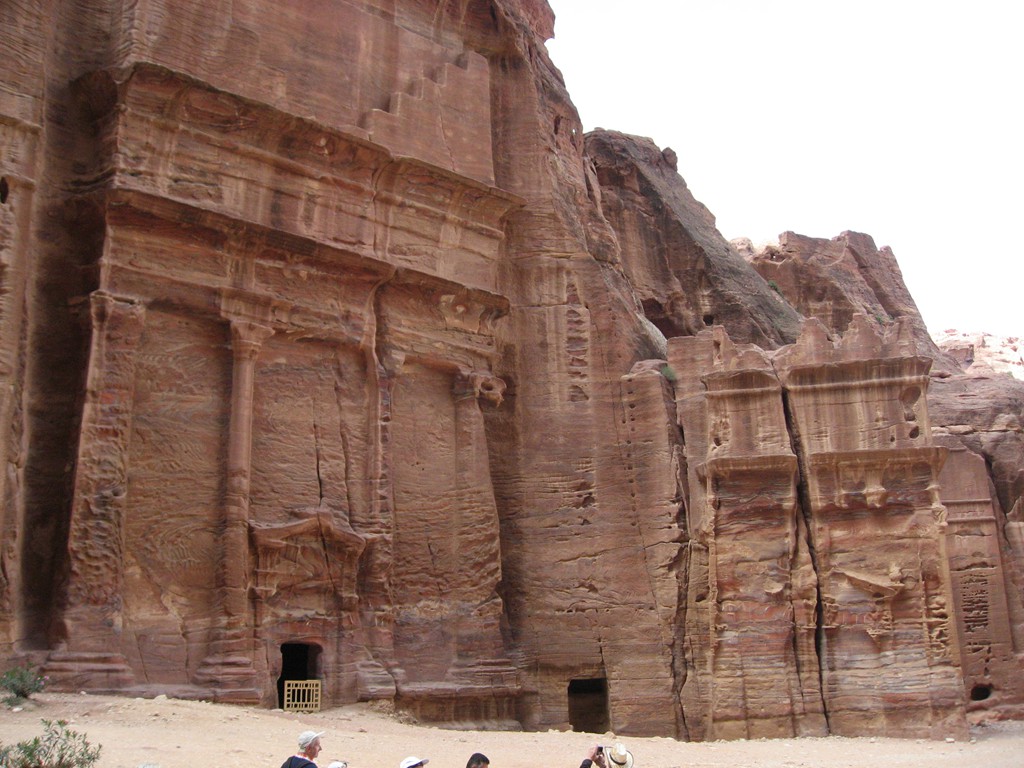
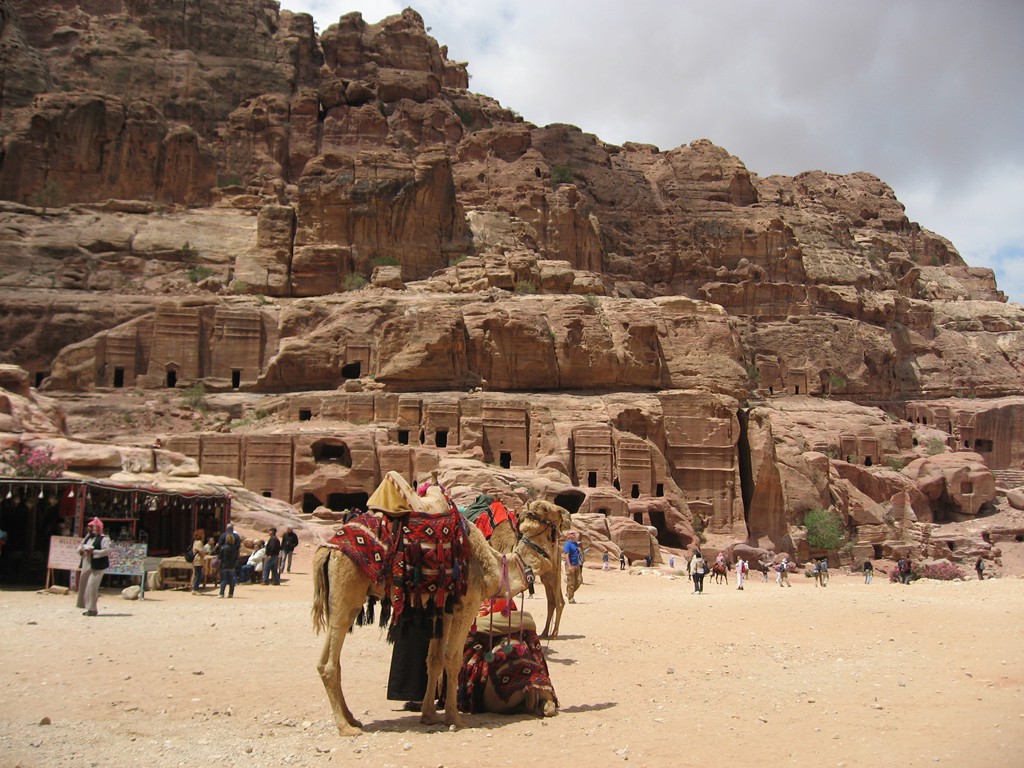
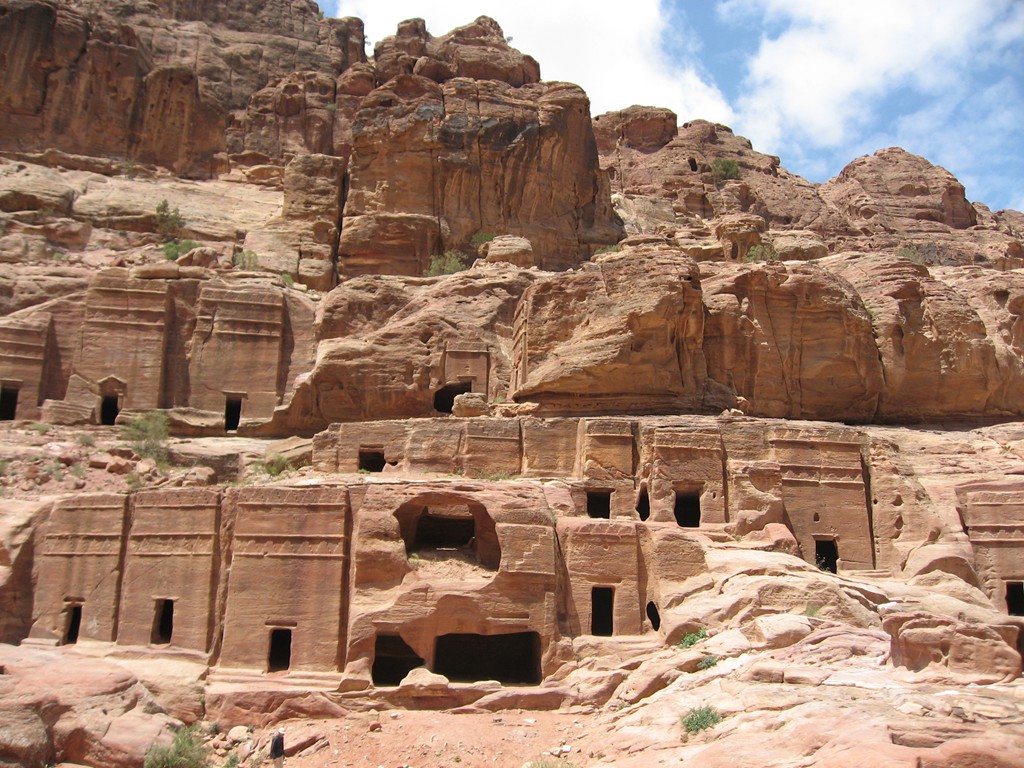
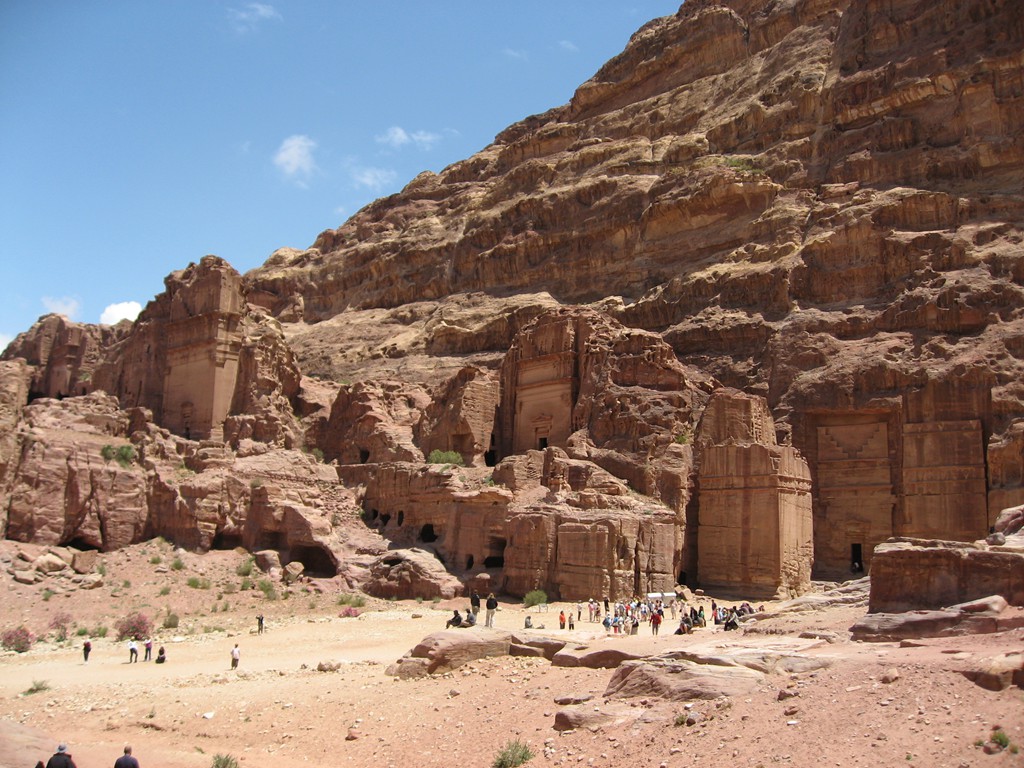
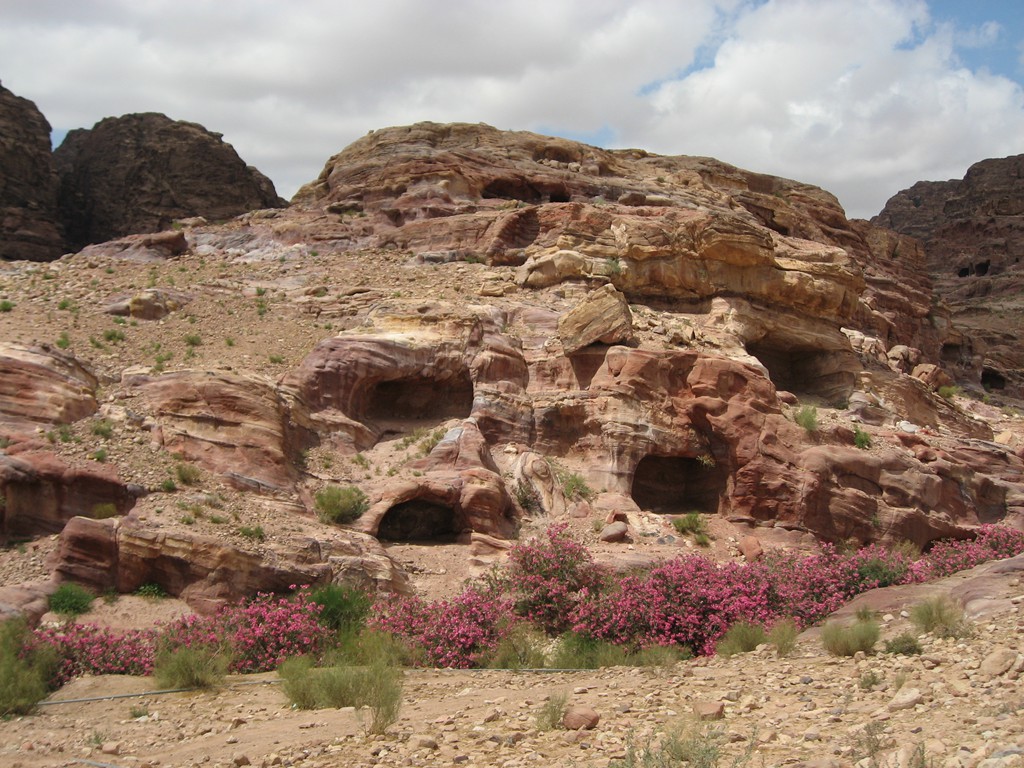
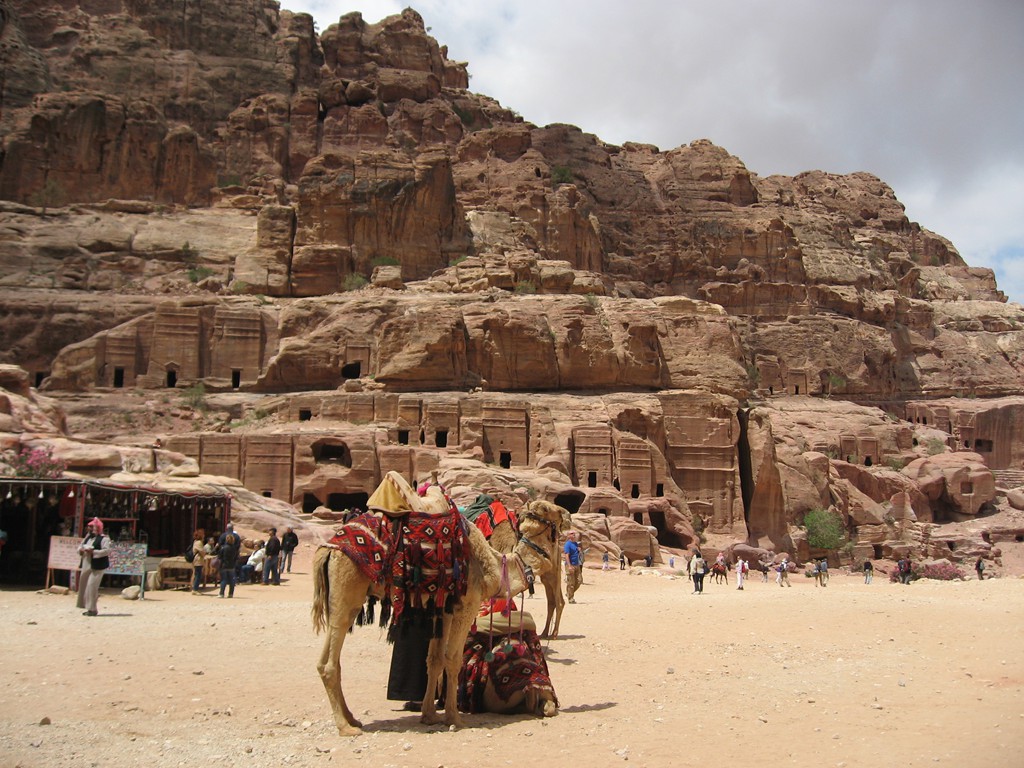
If you follow the Siq further into the centre of the city, you will see lots of cave dwellings and drawings in the rock and can admire the ancient water supply channels. Then you come to the Roman theatre, which dates back to the 1st century. Like the other buildings, it was carved out of the rock. During its construction, several ancient shaft graves were uncovered at the rear, where poorer inhabitants had been buried in the past.
Ruins of the Blue Chapel
The chapel is part of a larger church complex in Petra. It was named after its four columns made of blue Egyptian granite, which are believed to have come from a nearby Nabataean monument. It is thought that the chapel was built in the mid-5th century, around the same time as the main church of Petra.
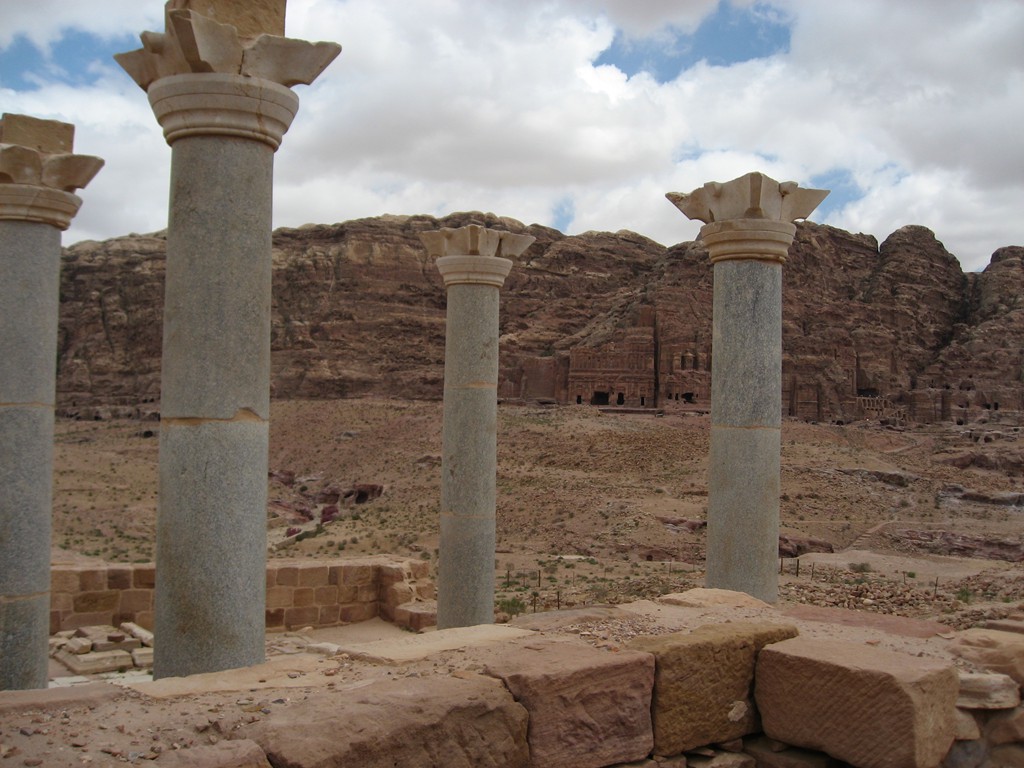
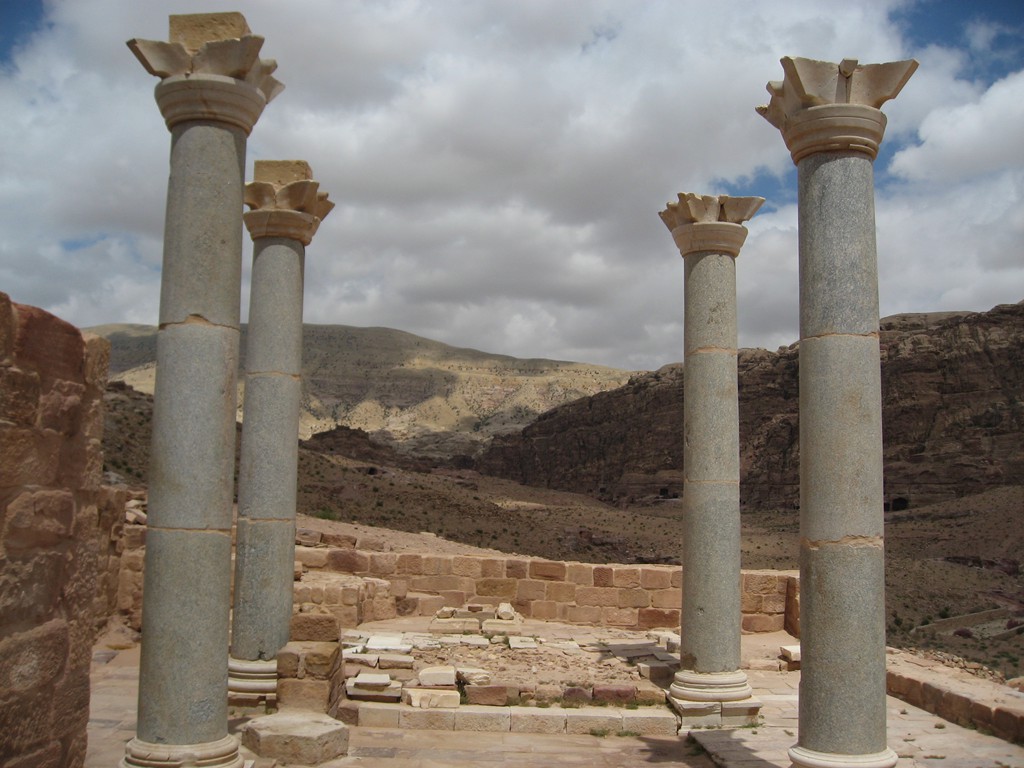
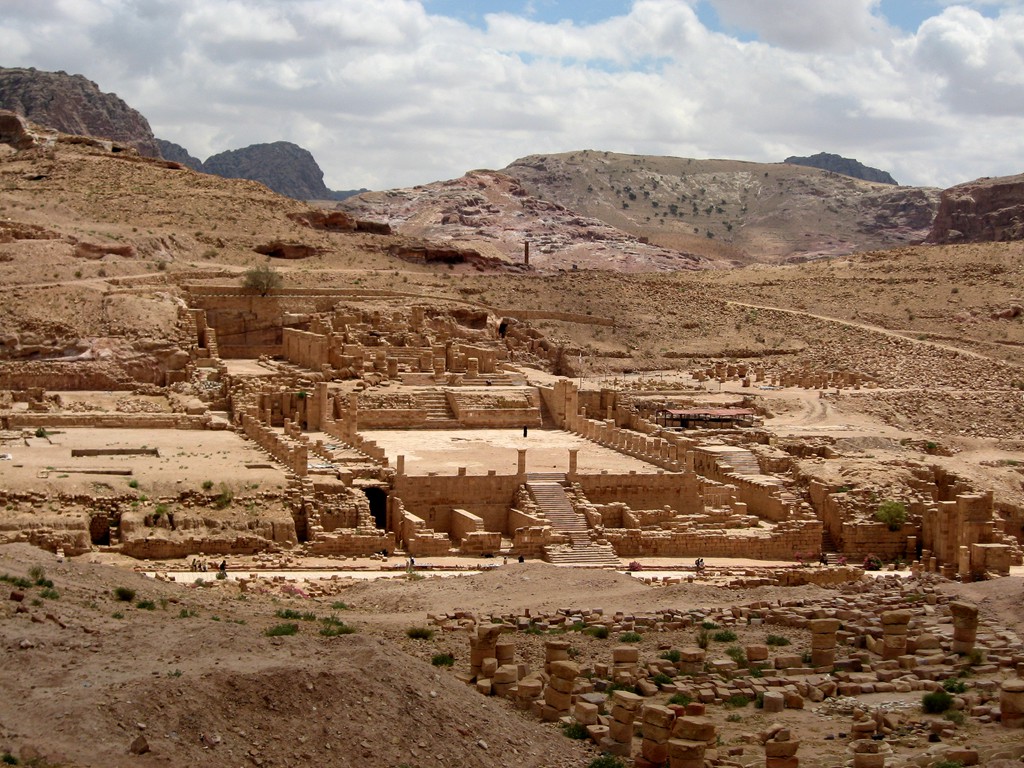
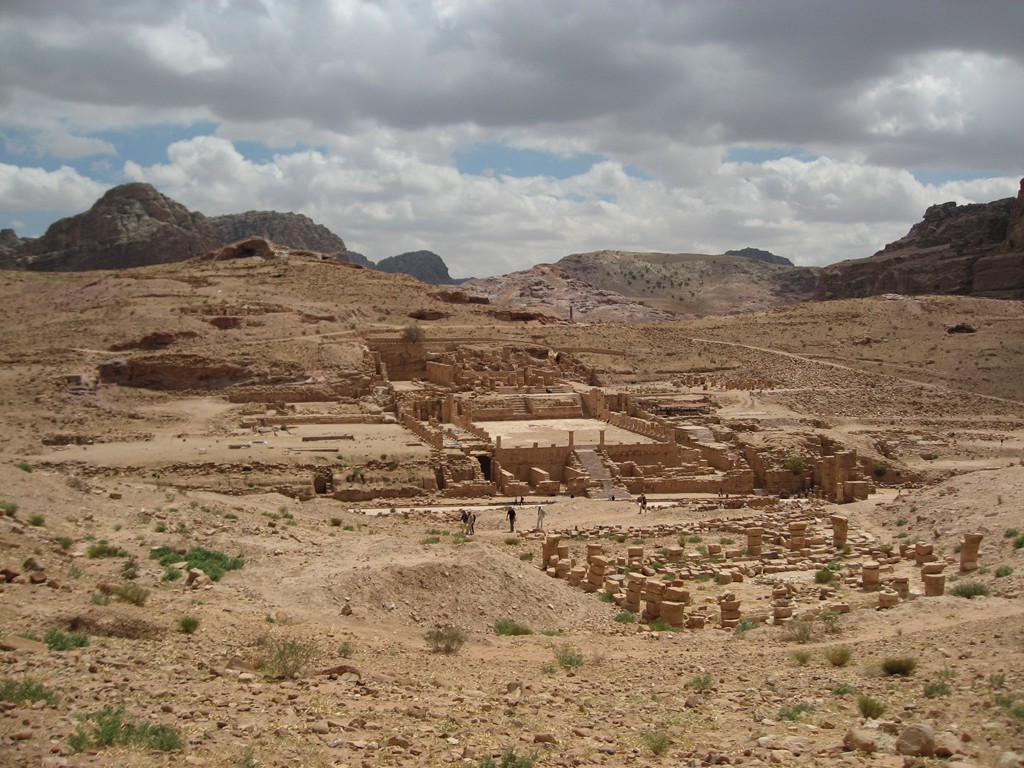
Ruins of the Great Temple
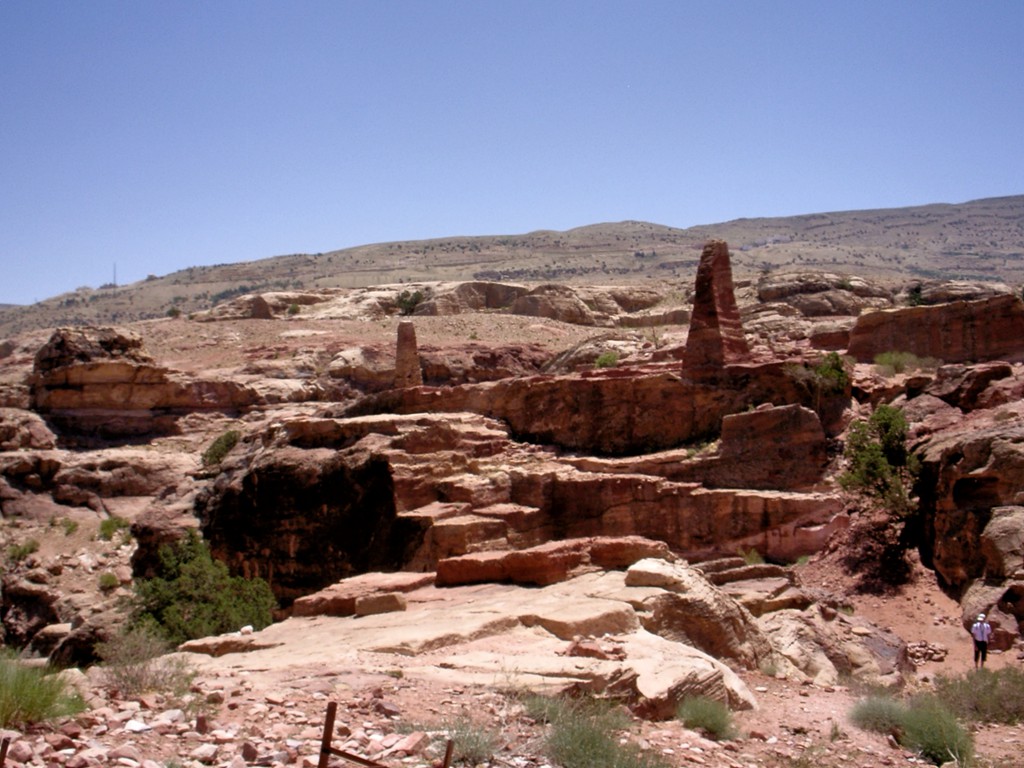
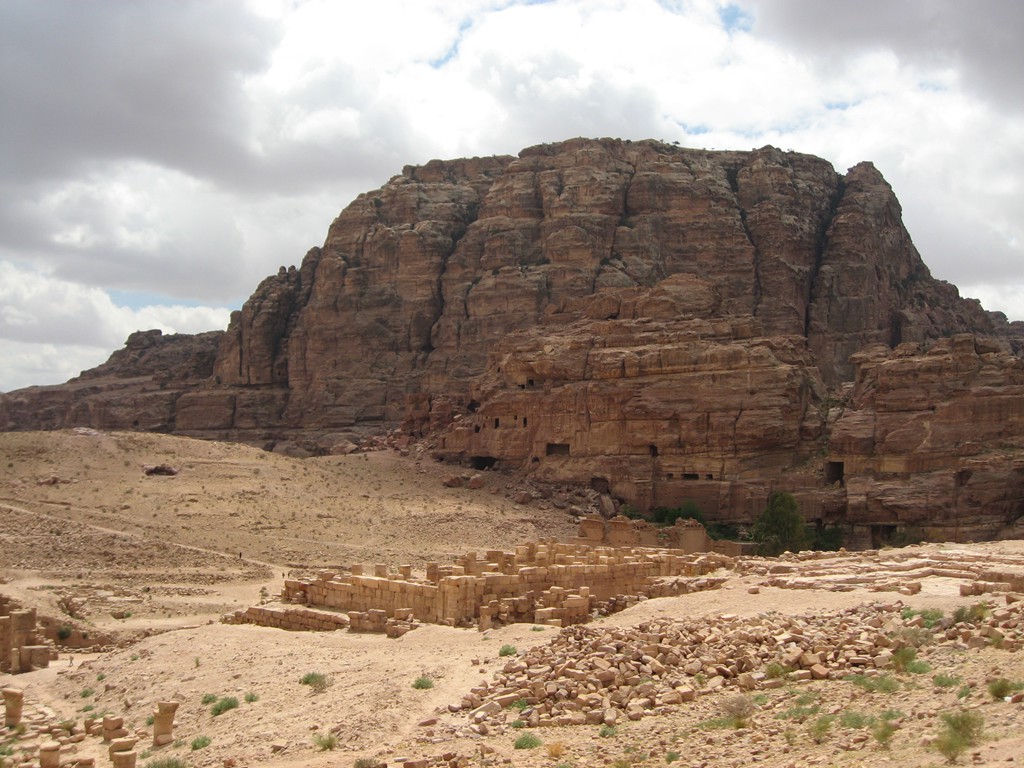
The Great Temple is the largest freestanding building discovered in Petra, covering an area of approximately 7,560 square metres. It is unclear whether the complex was a religious building or a royal reception hall. The complex, which was probably completed in the early 1st century AD, comprises a lower and upper area with a monumental staircase.
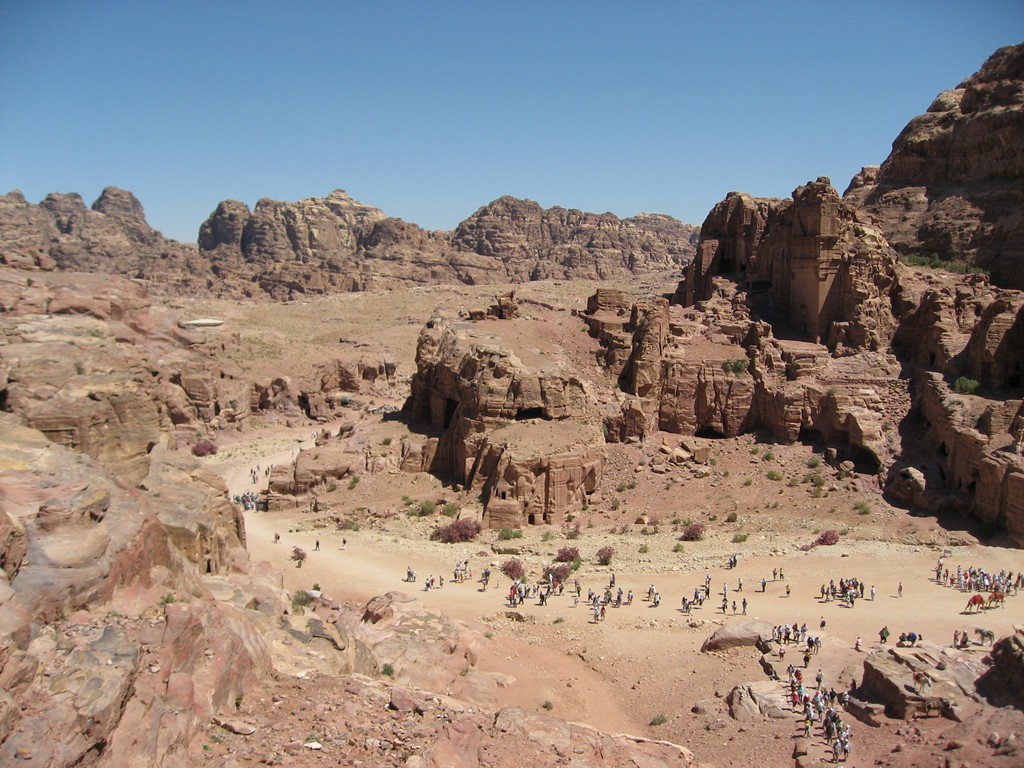
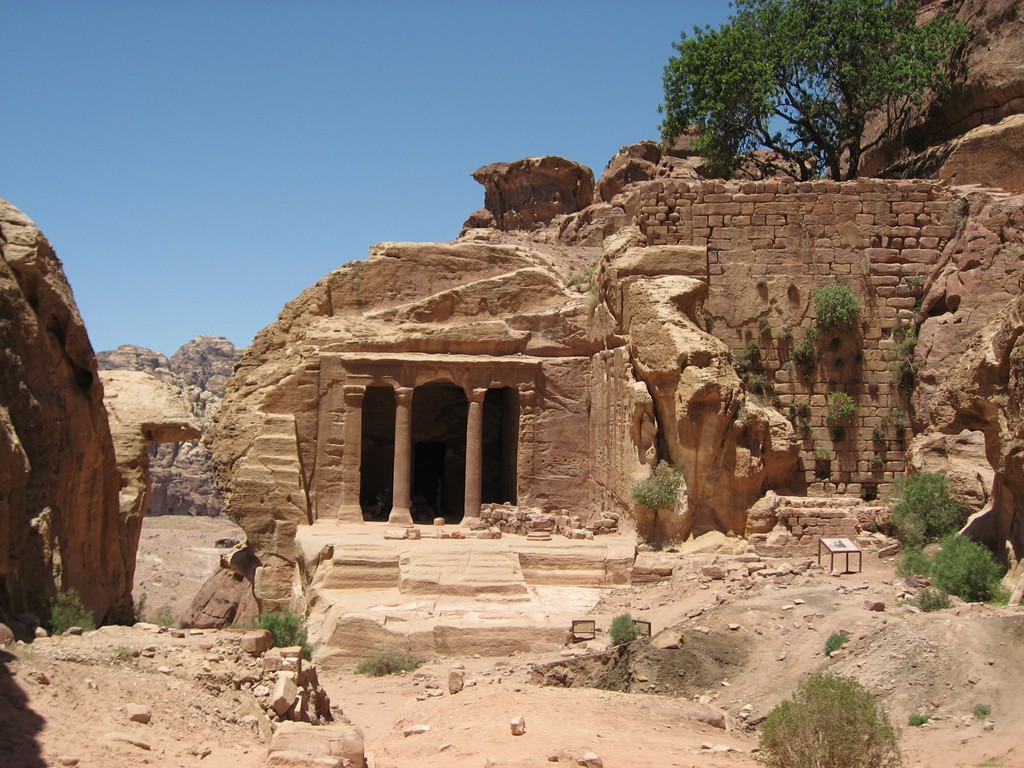
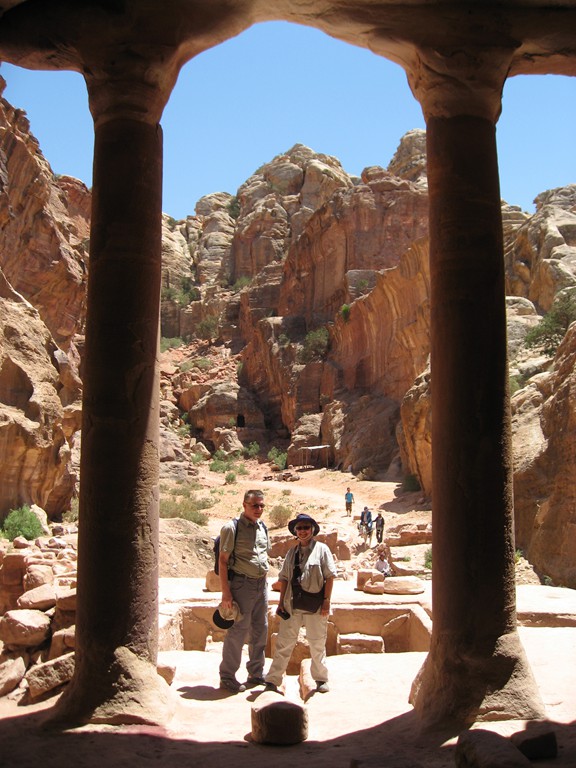
Pictures of the temple ruins and the surrounding area.
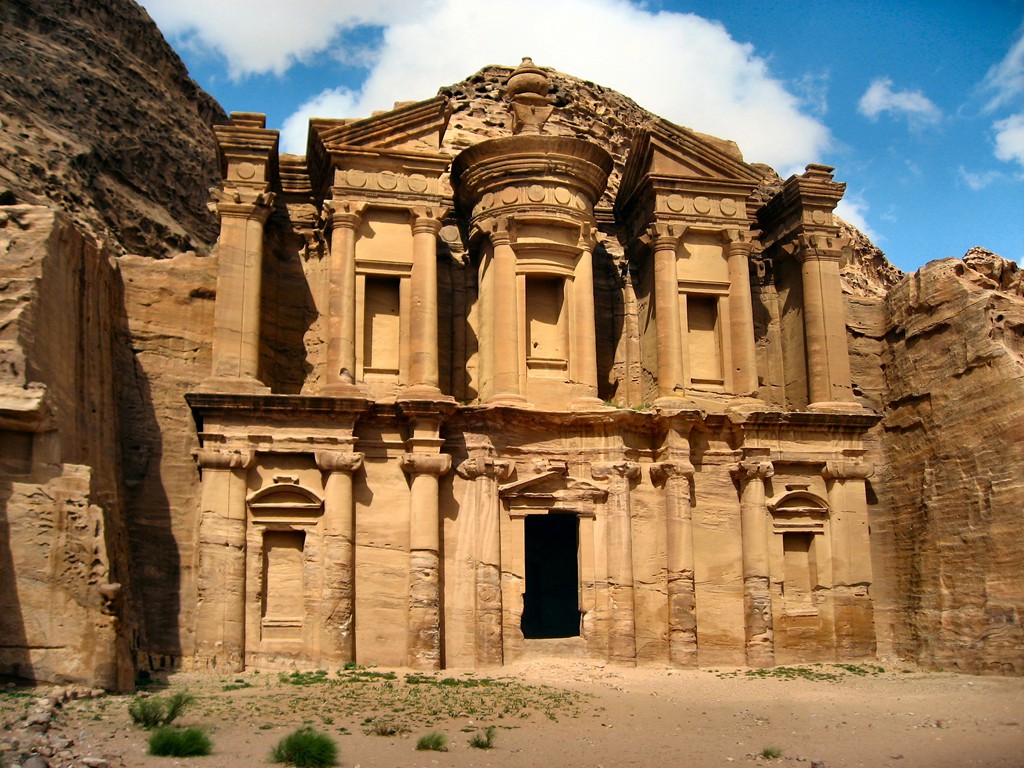
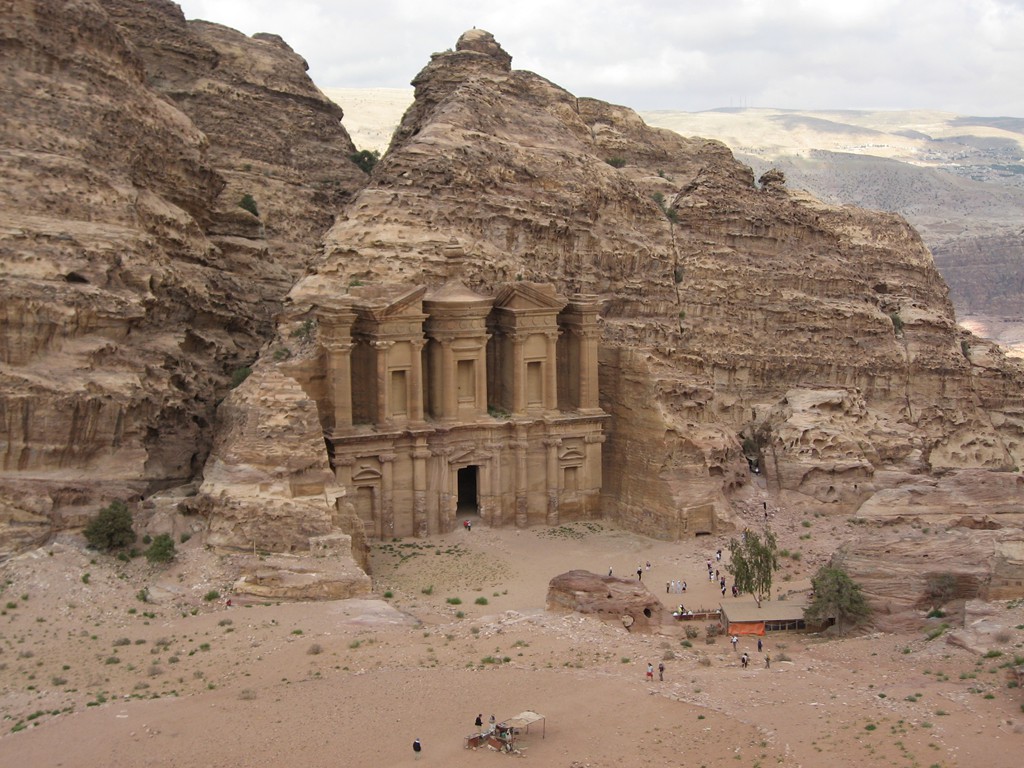
The monastery ‘Ad-Deir’
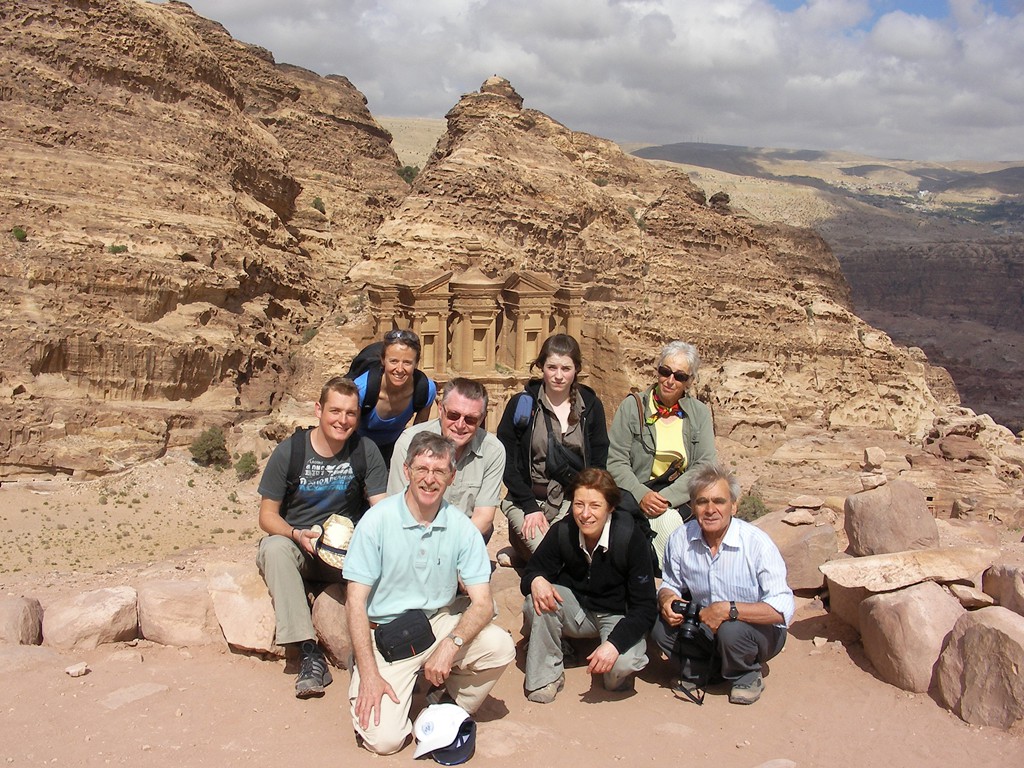
is the largest and most important building of the Nabataeans and once belonged to their sanctuaries. Contrary to what the name suggests, it was probably originally intended as a mausoleum for a ruler. The name ‘monastery’ comes from the fact that monks settled there in the Middle Ages.
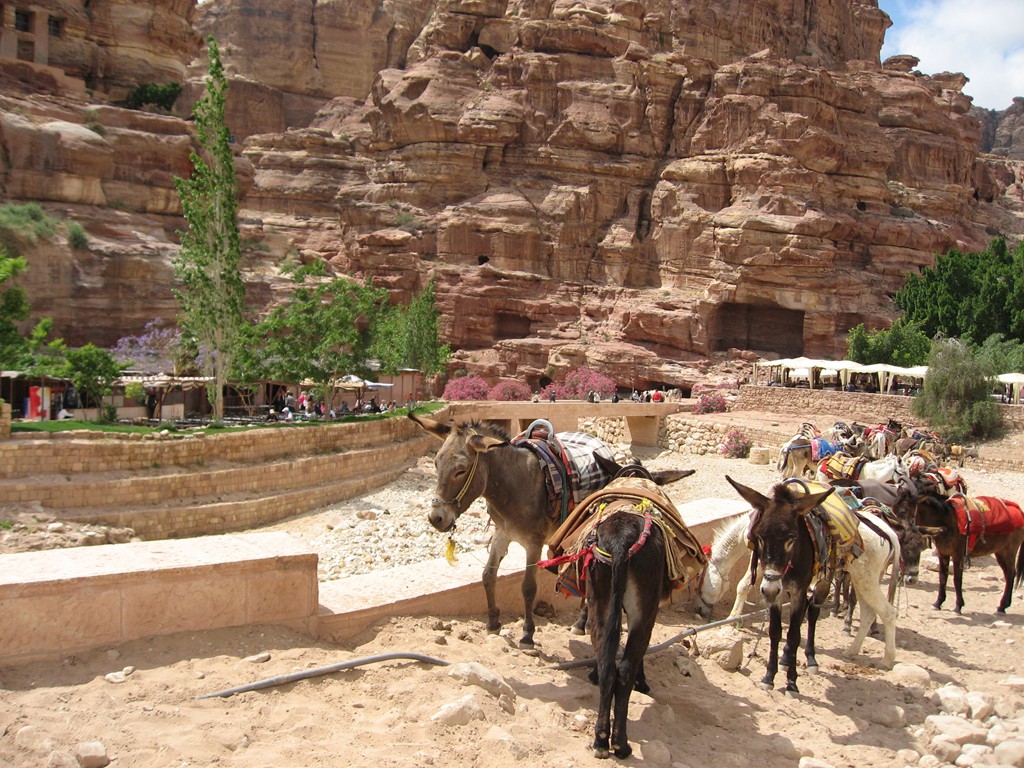
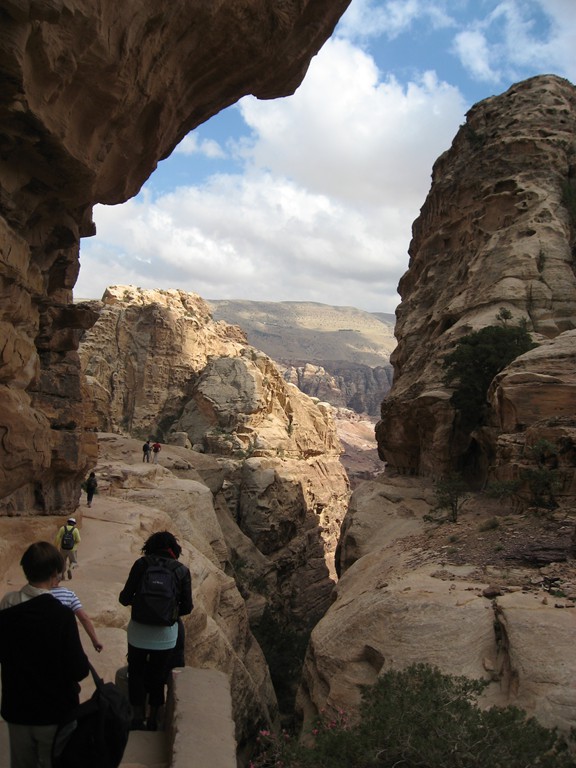
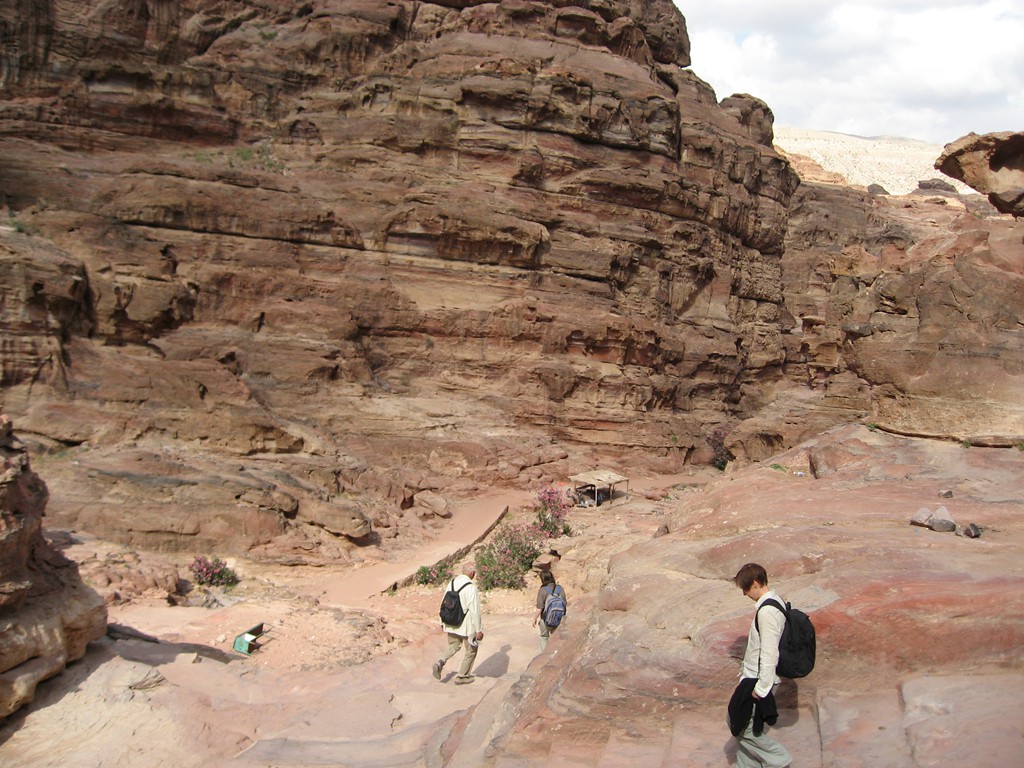
Ad-Deir is not located directly in the rock city and can only be reached by a 40-minute walk or a ride on a donkey.
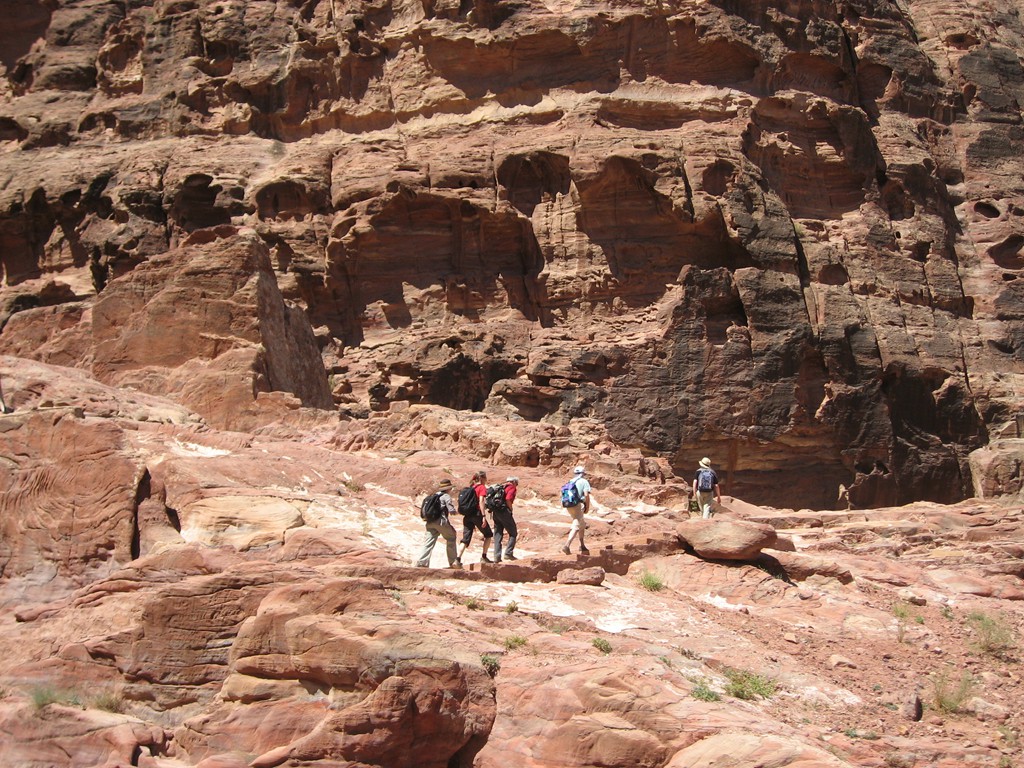
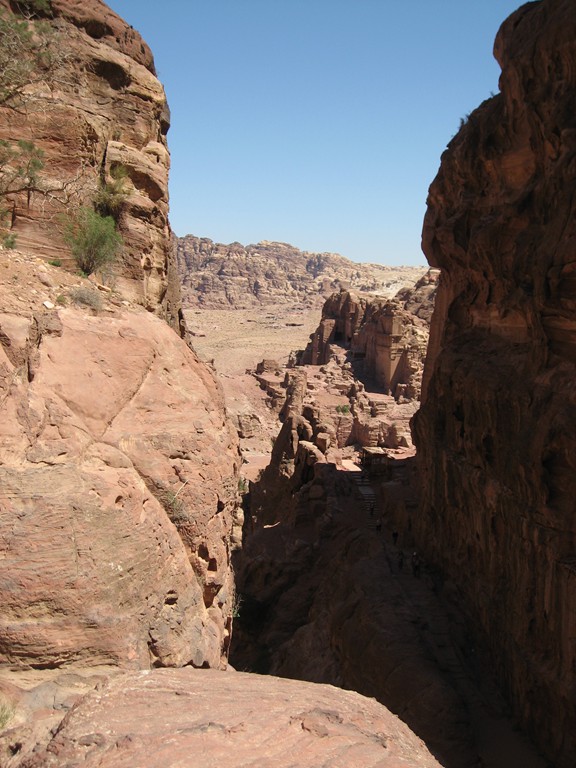
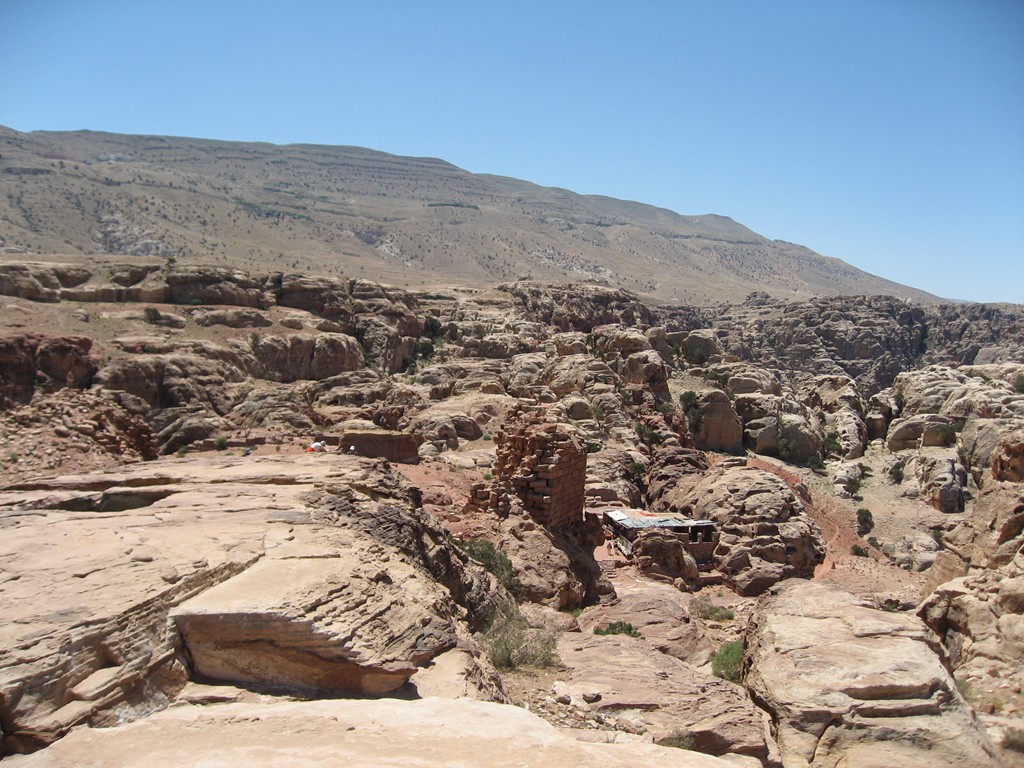
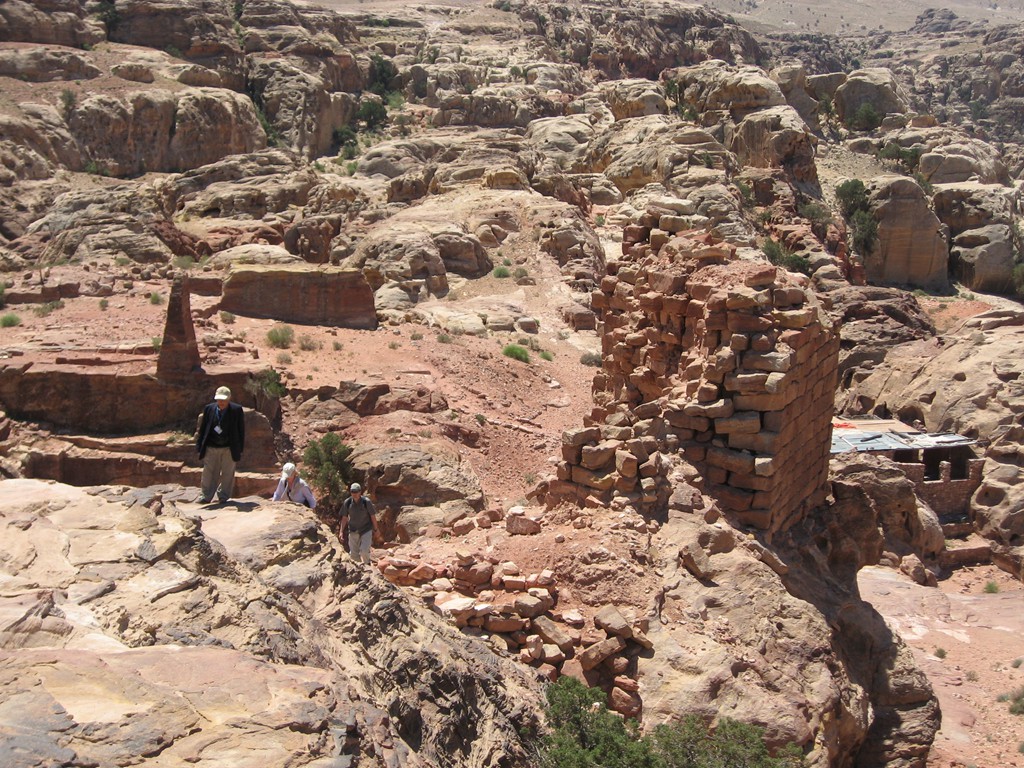
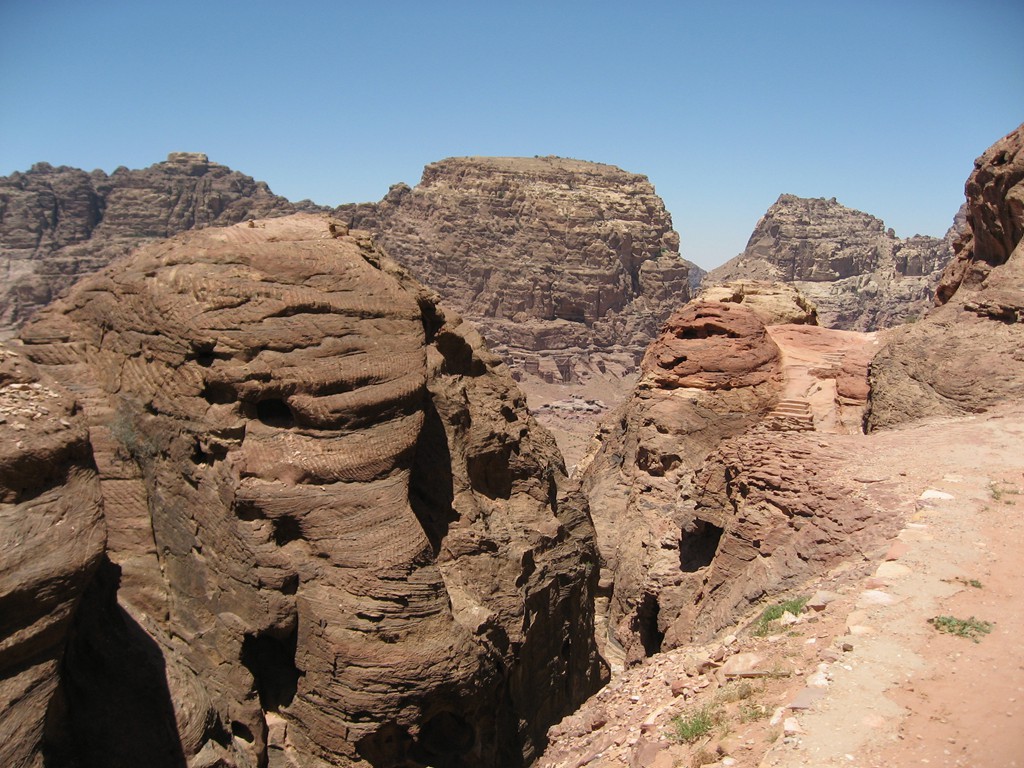
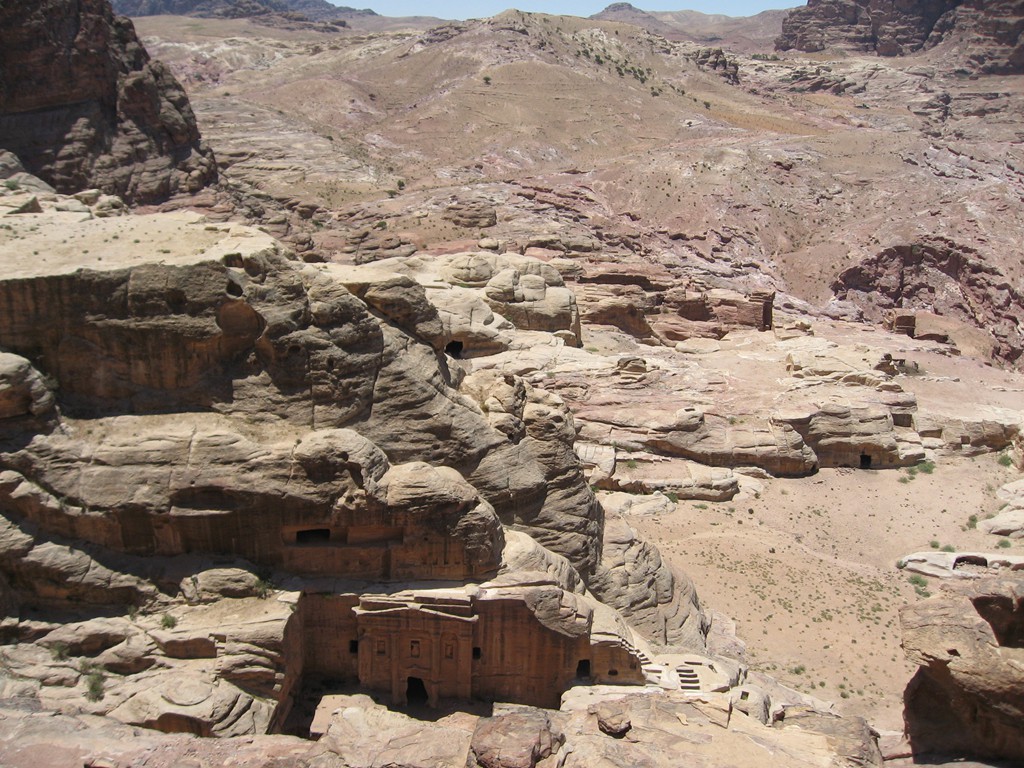
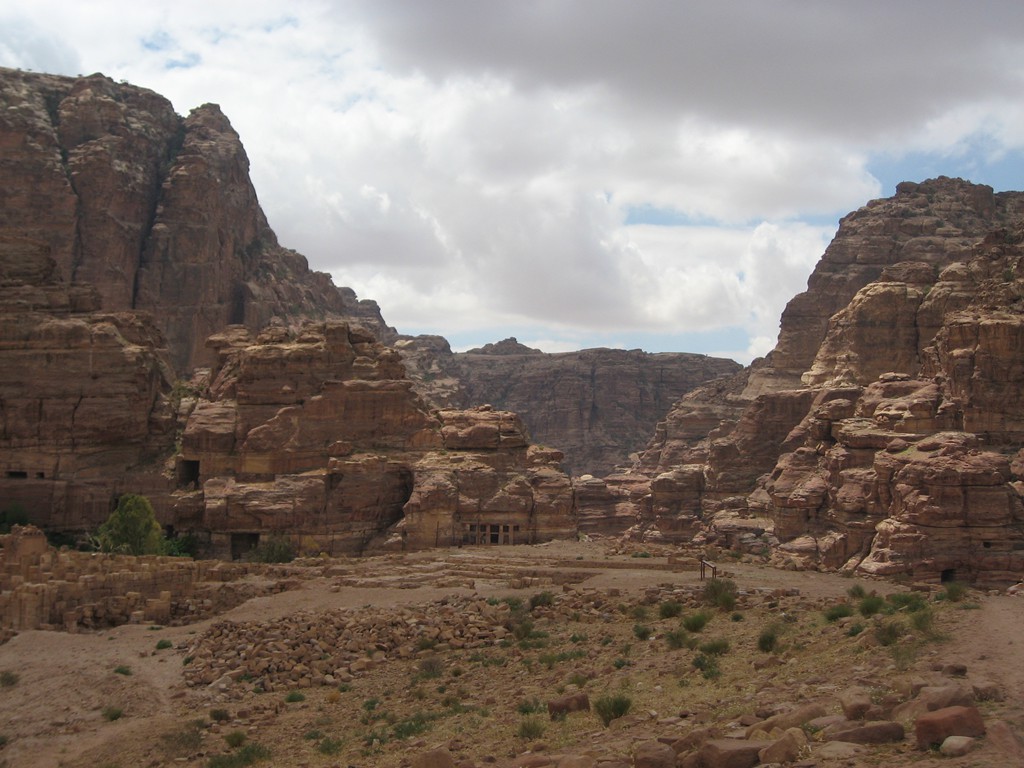
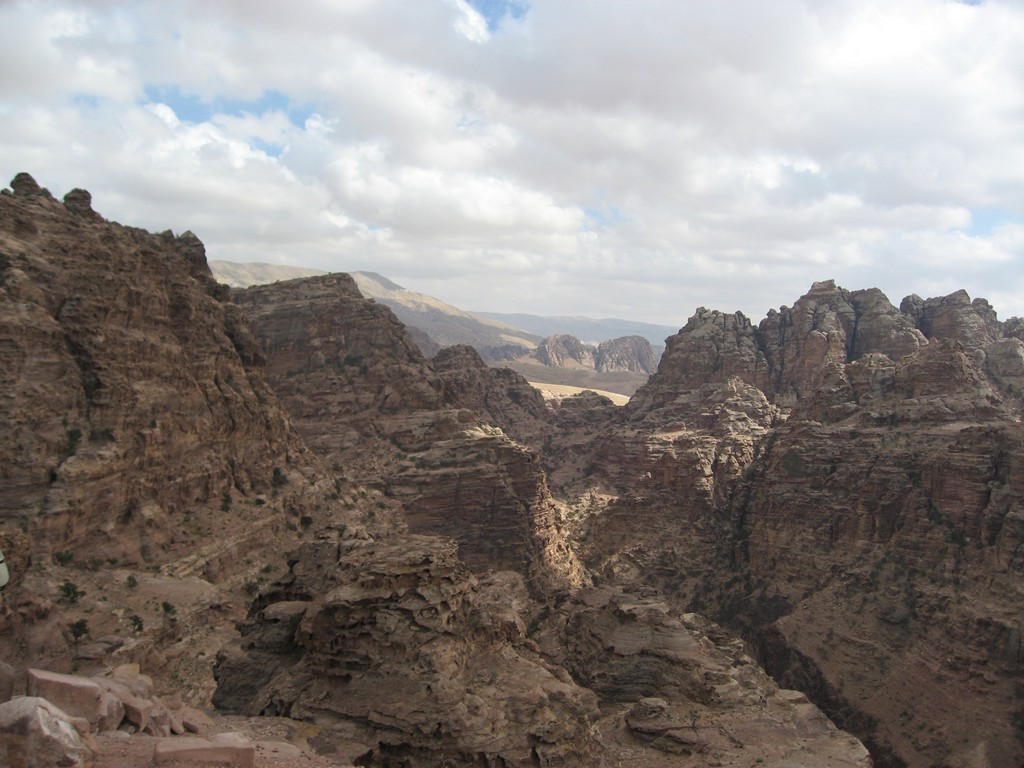
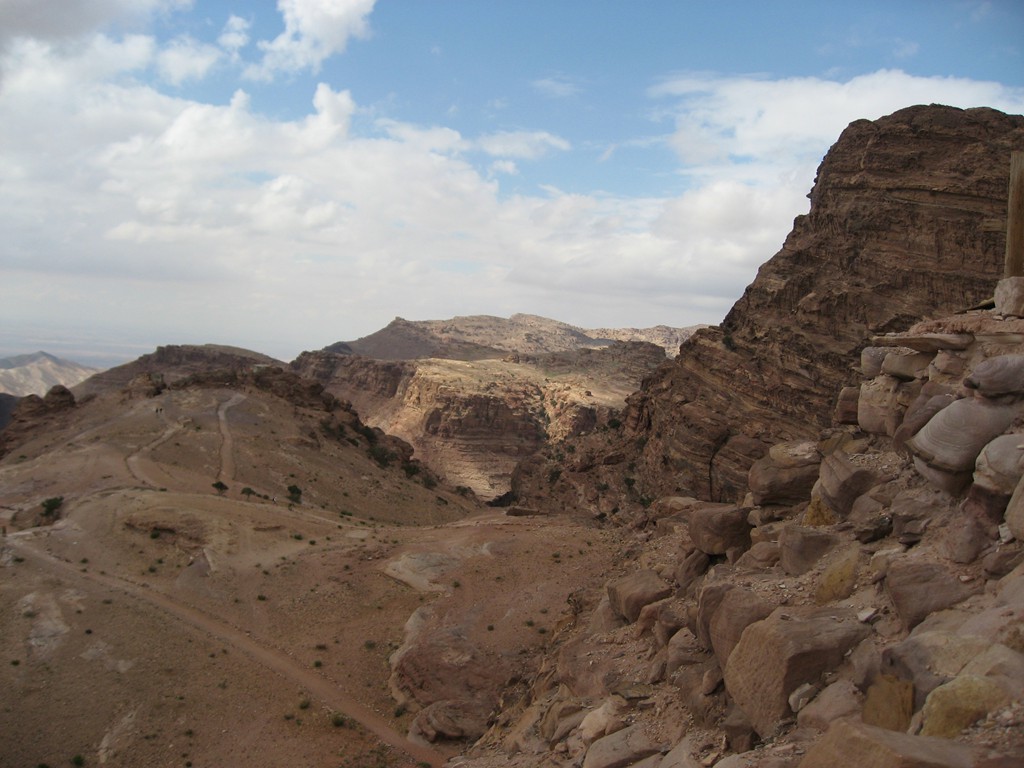
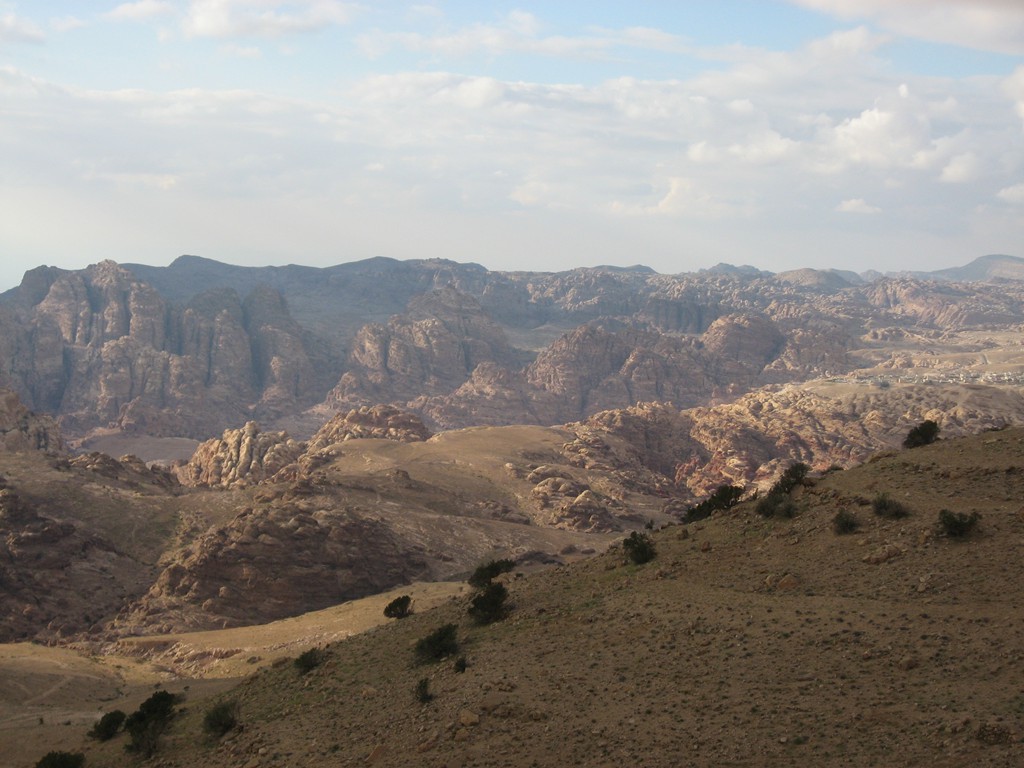
The climb is well worth it, as we had spectacular views of the valley and the mountains along the way. In addition, you will encounter other archaeological sites along the way.
Royal tombs
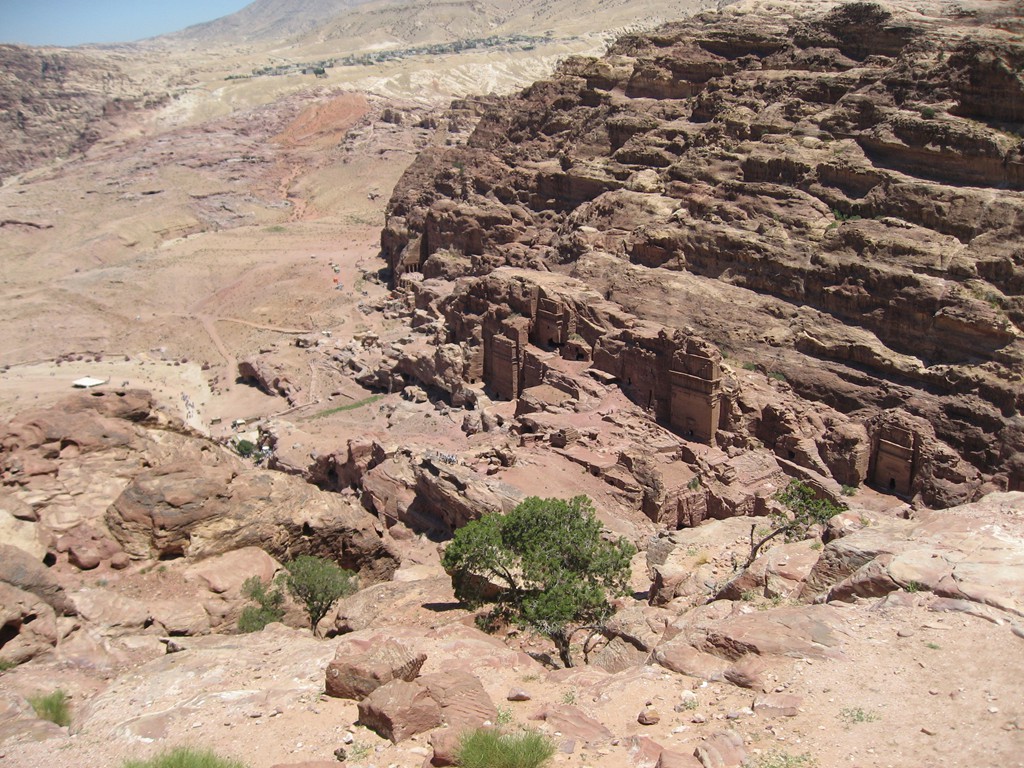
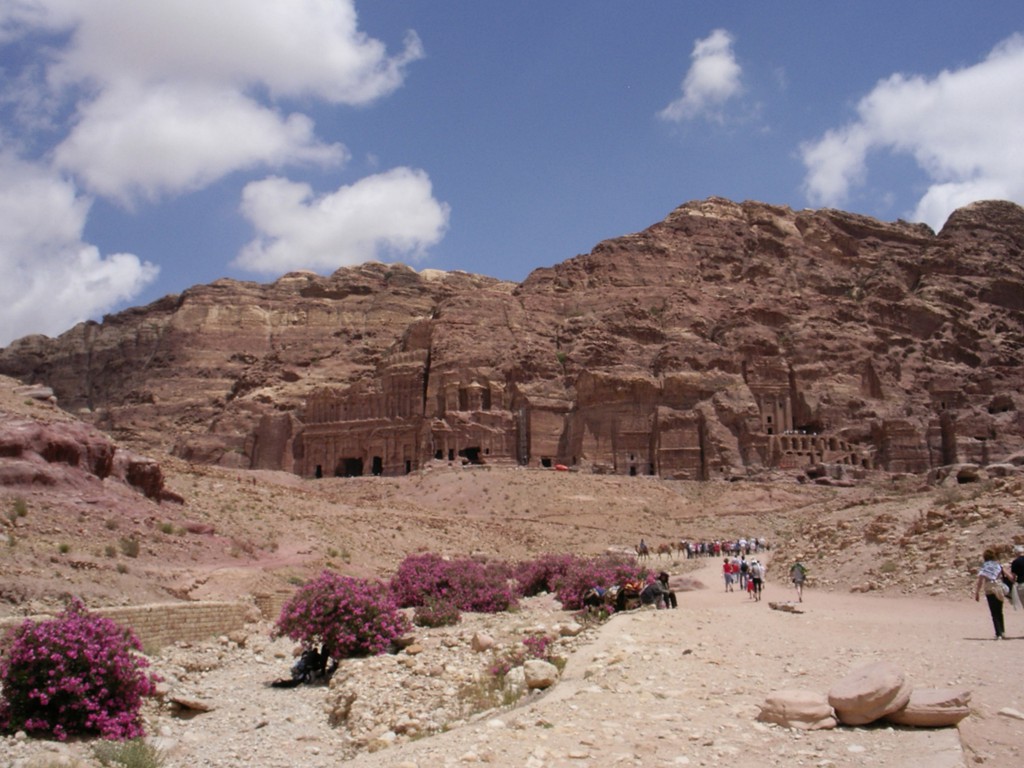
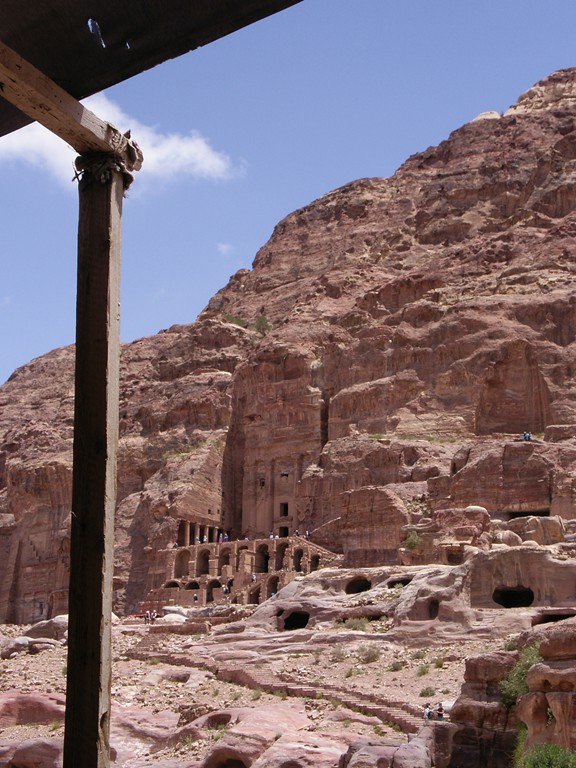
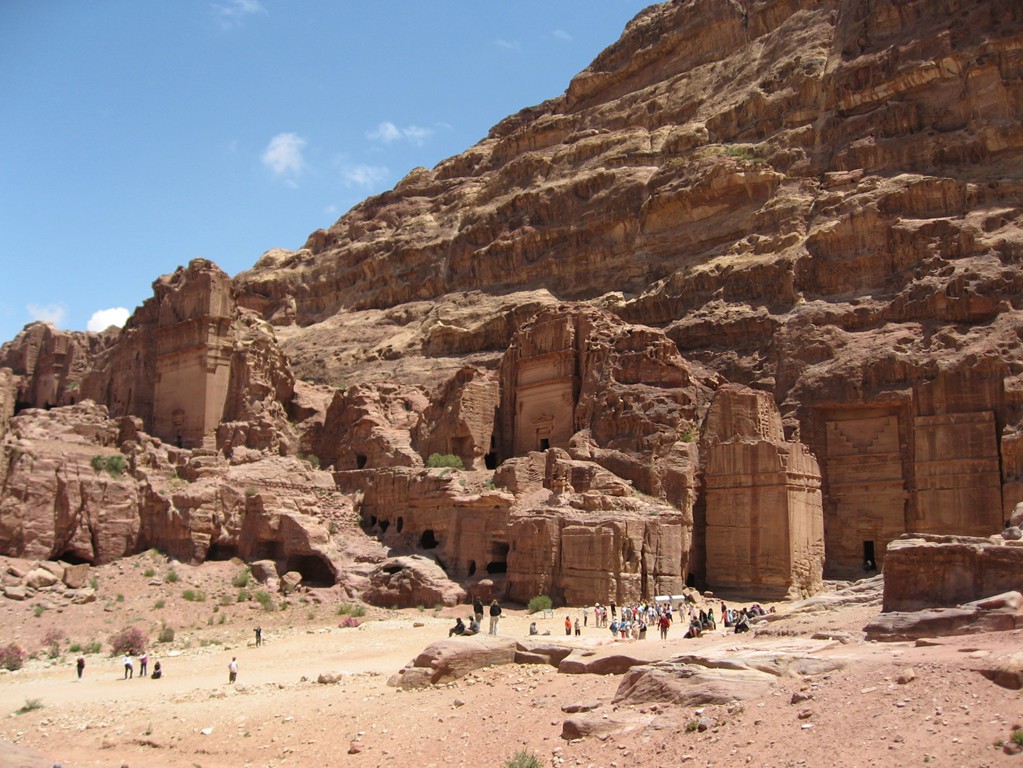
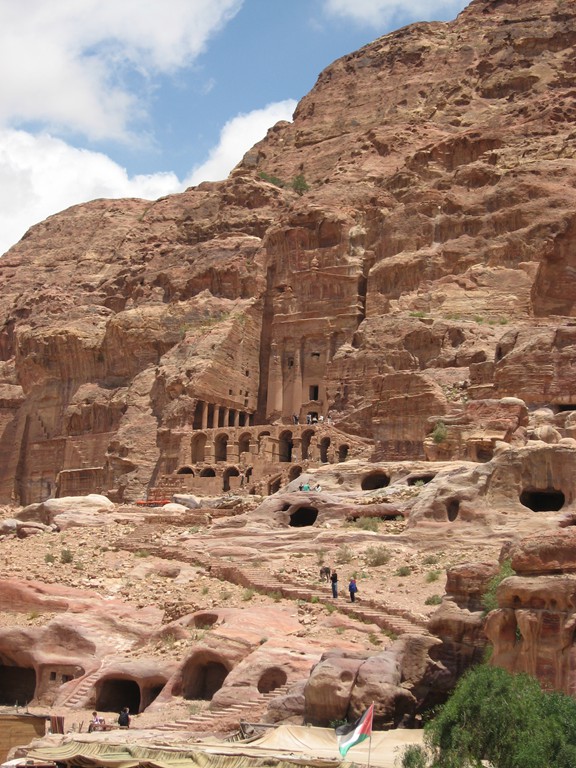
Above the centre of Petra, the so-called ‘King's Tombs’ rise majestically, a series of large tombs with impressive facades carved out of the western slope of the Jabal al-Khubtha rock massif..
mountain hike
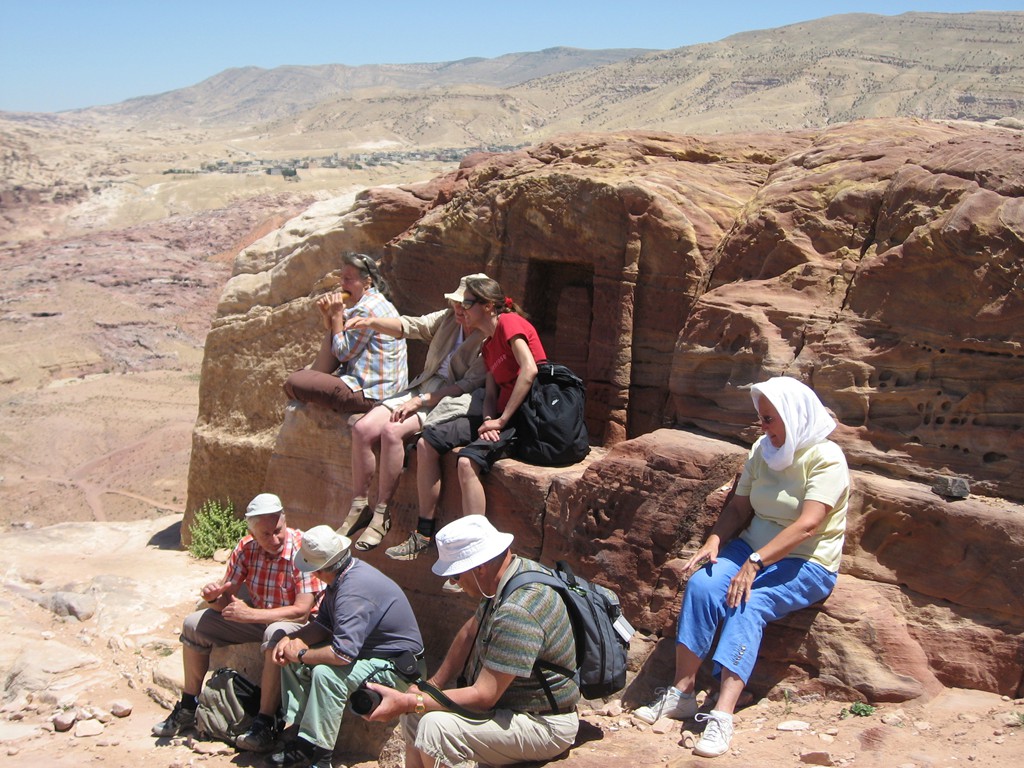
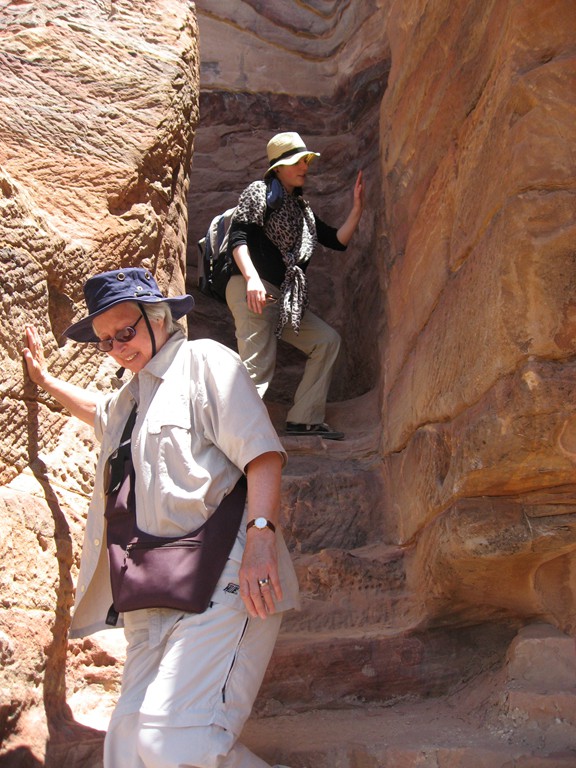
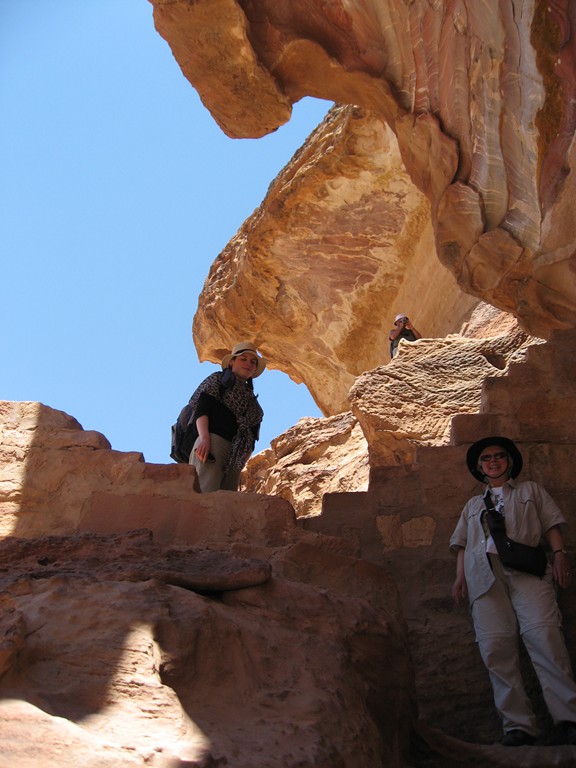
On the second day of our visit to Petra, we went on an impressive hike to the high altar with magnificent views of the gorges and mountains.