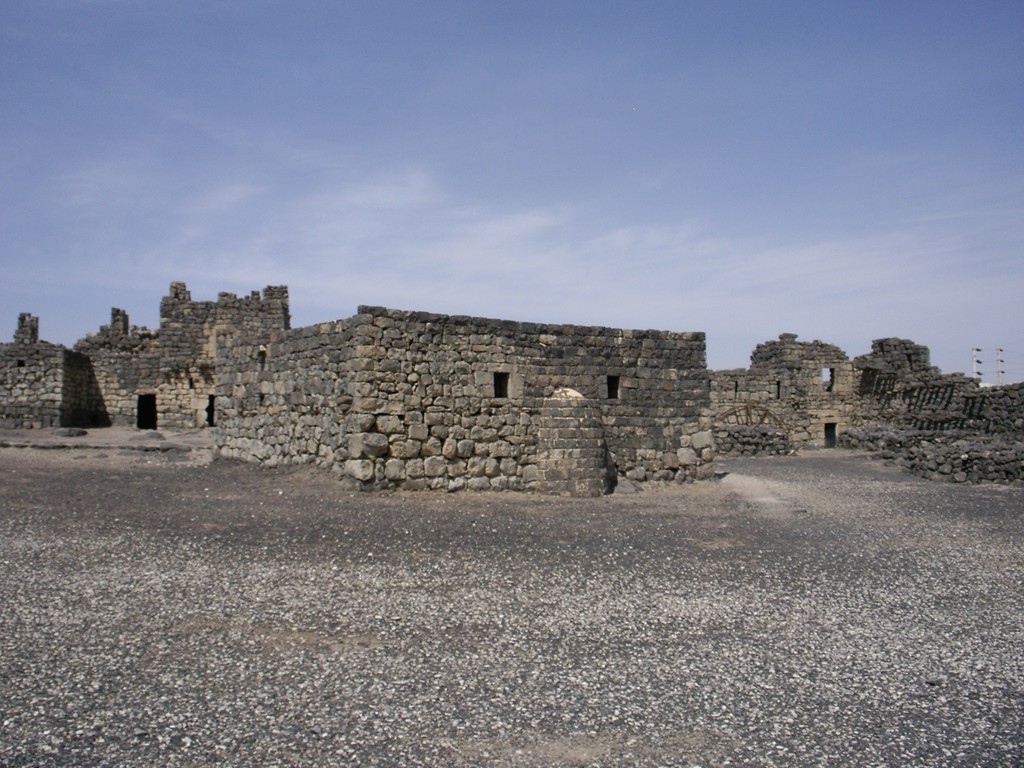
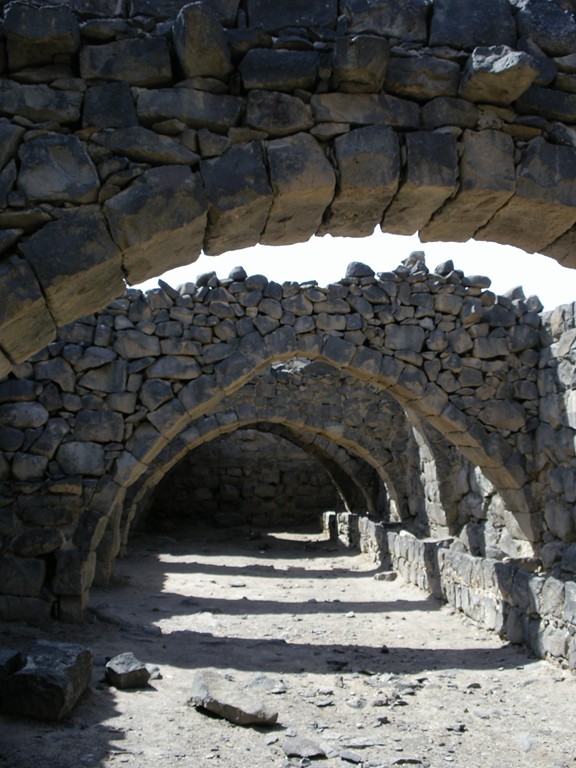
Qasr Karrana
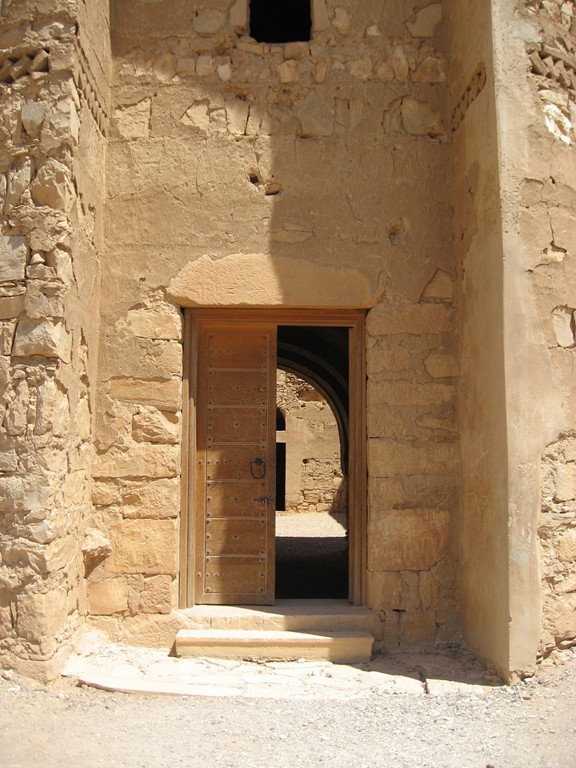
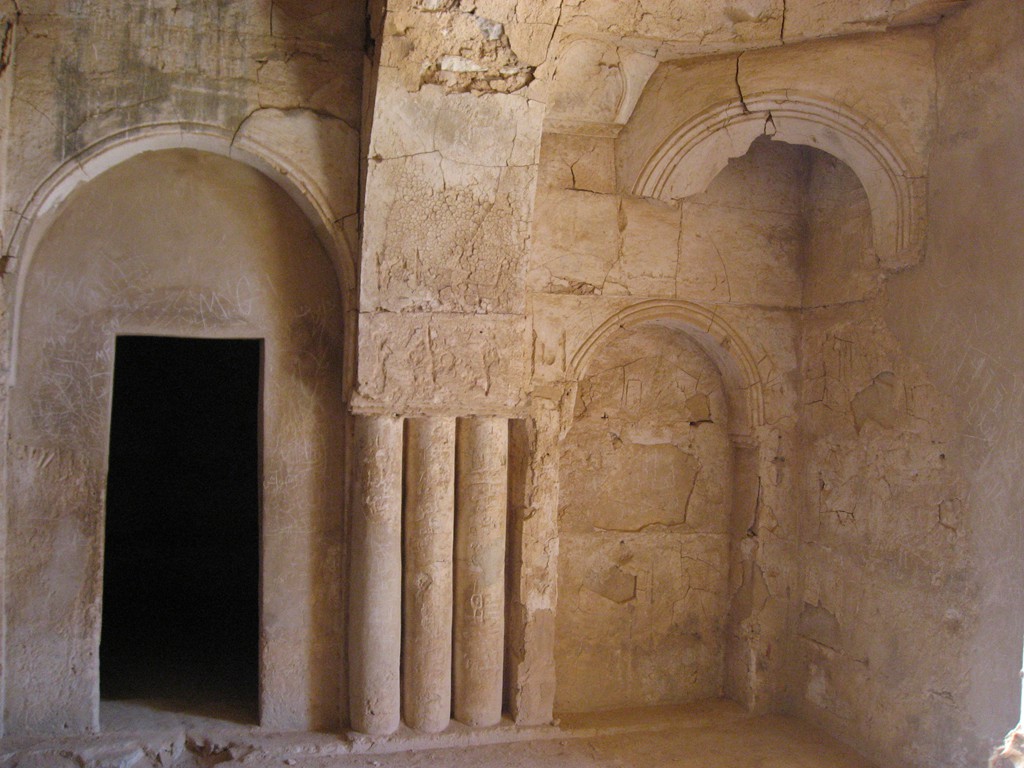
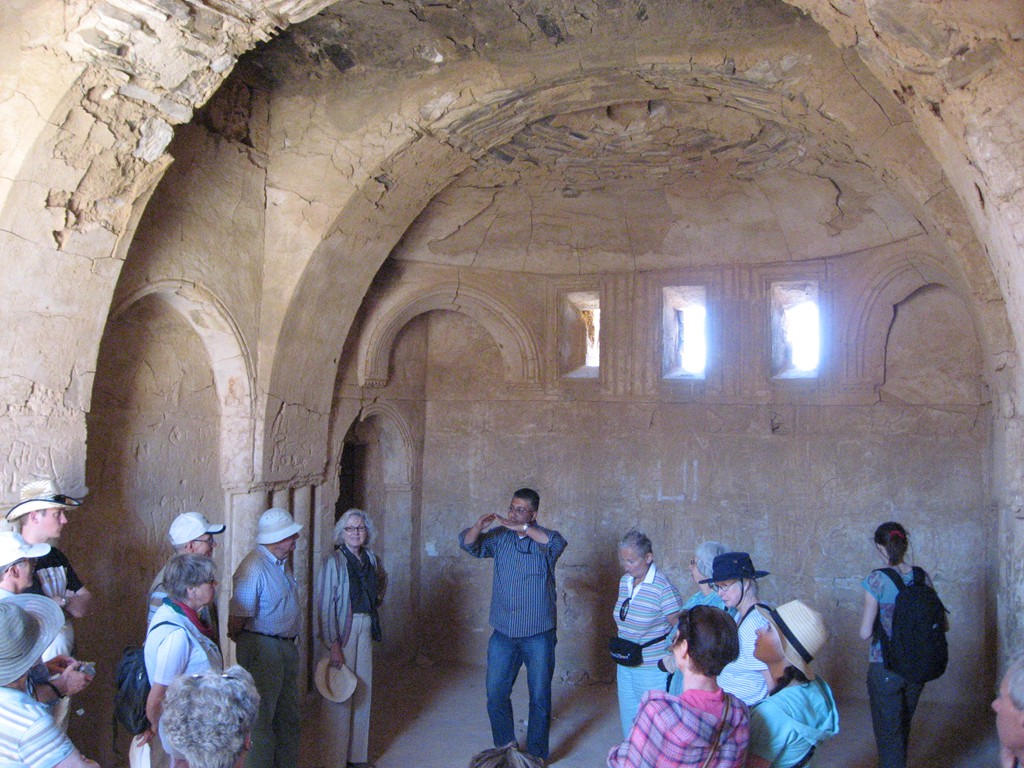
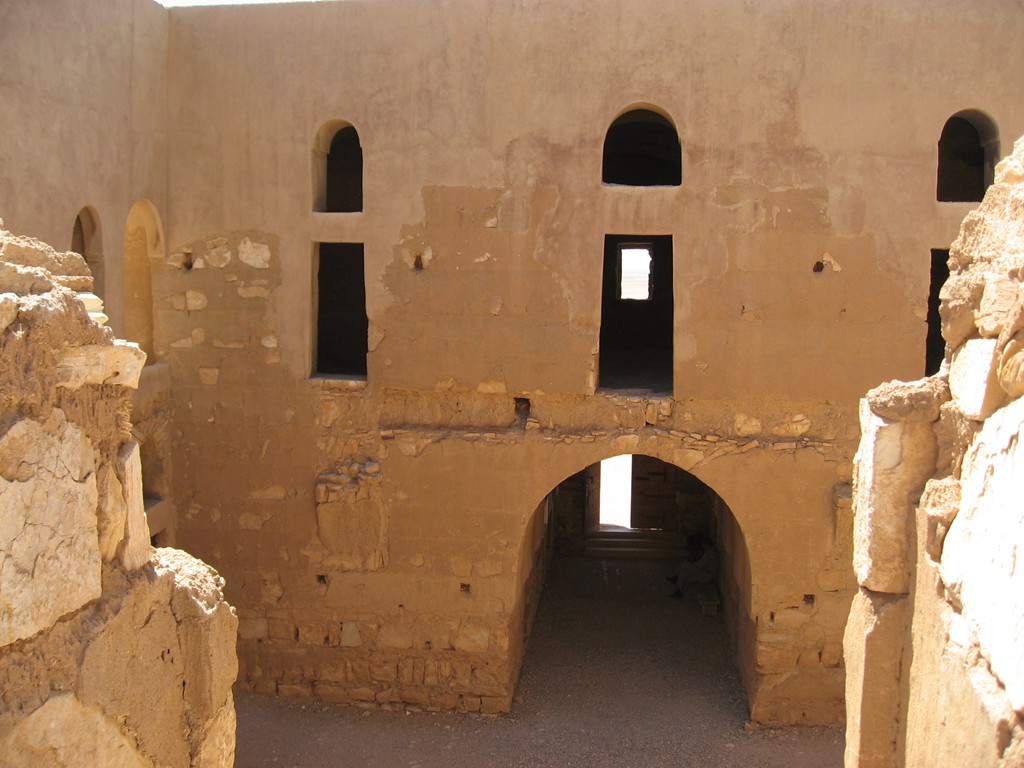
It probably dates from the late 7th century, making it one of the earliest examples of Islamic architecture in this region. It is very well preserved.
The original use of the complex remains unclear to this day. The building may have been a caravanserai or a resting place for traders. It originally consisted of a total of 60 rooms arranged on two floors around a central courtyard, in the middle of which a rainwater basin was built. Two vaulted chambers, which probably served as stables and storage rooms, frame the entrance hall of the Qasr on both sides.
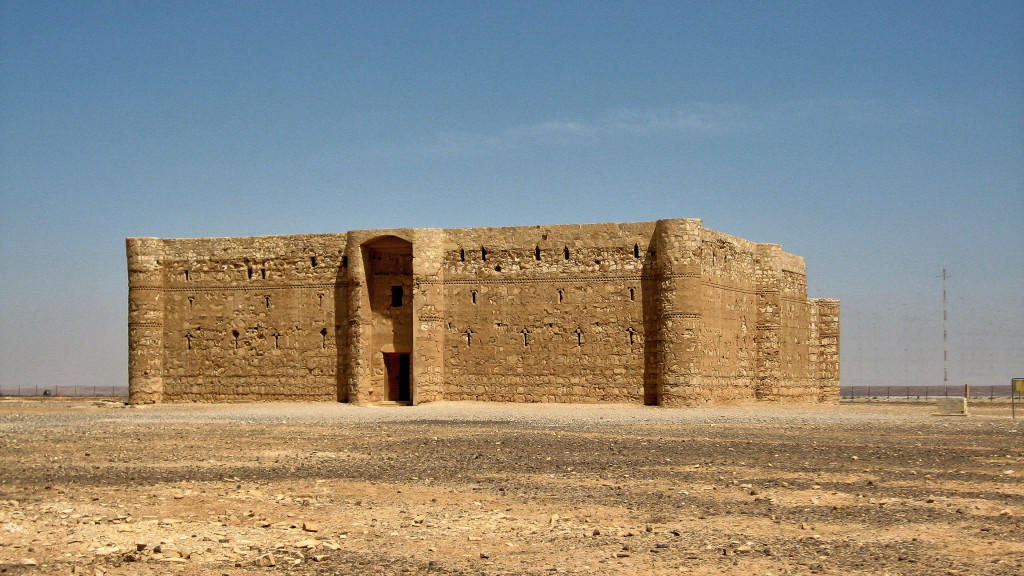
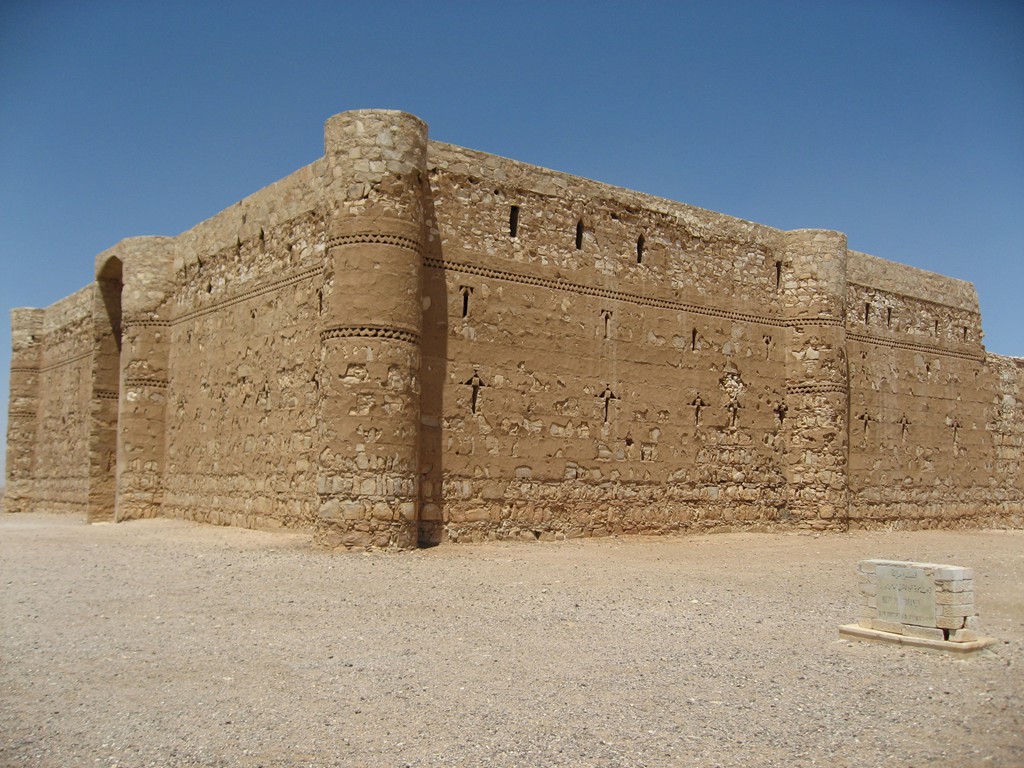
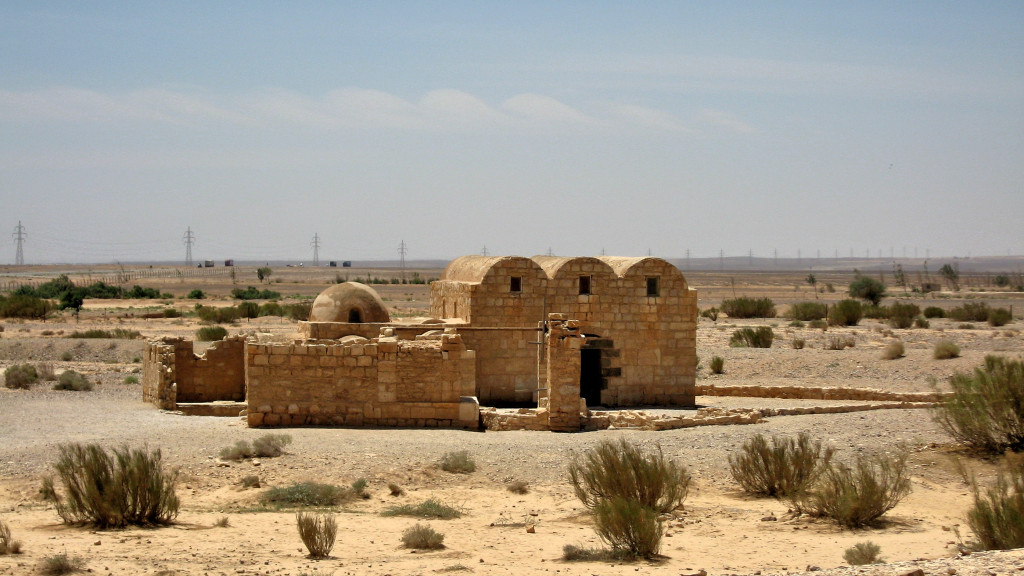
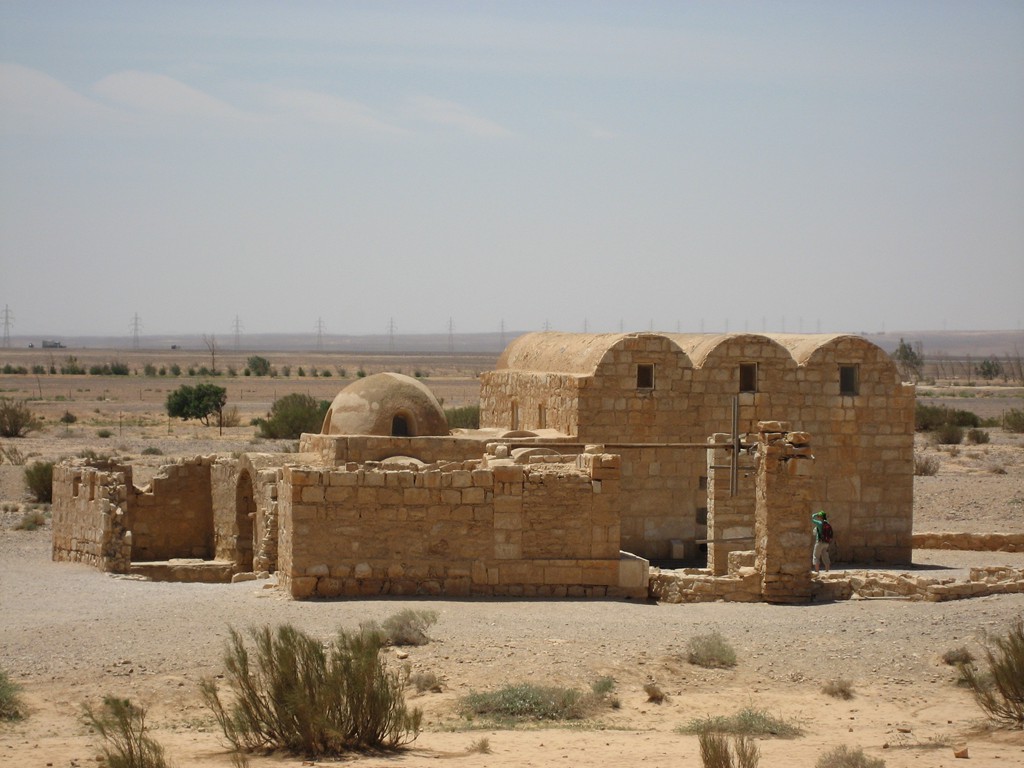
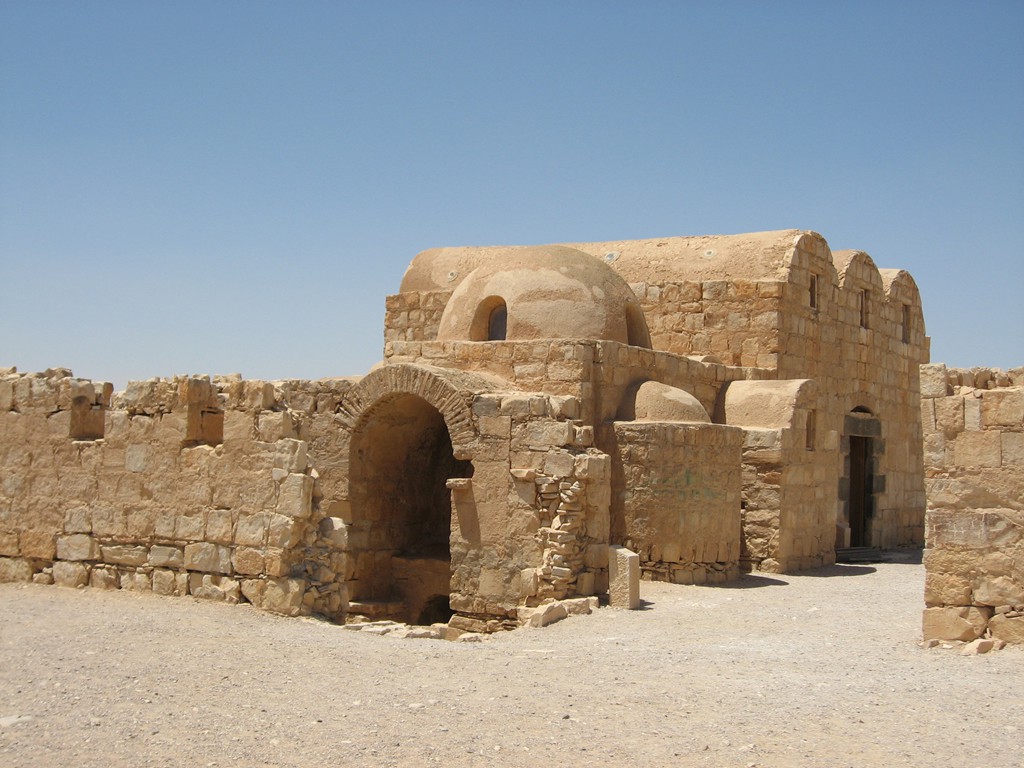
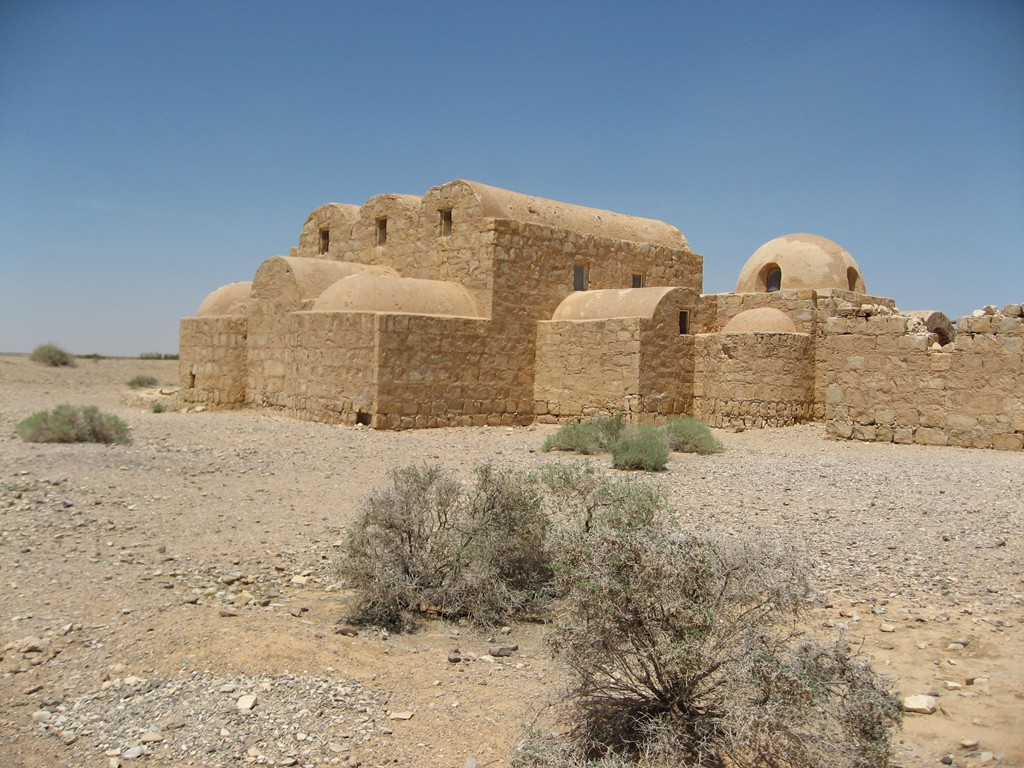
Qusair 'Amra
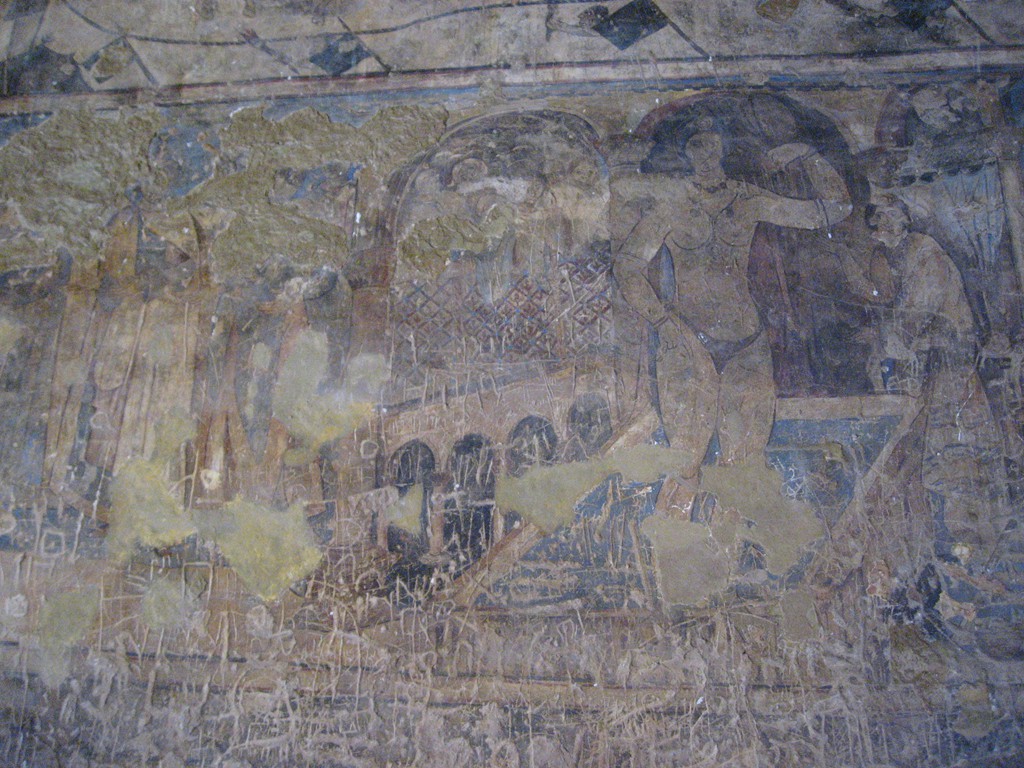
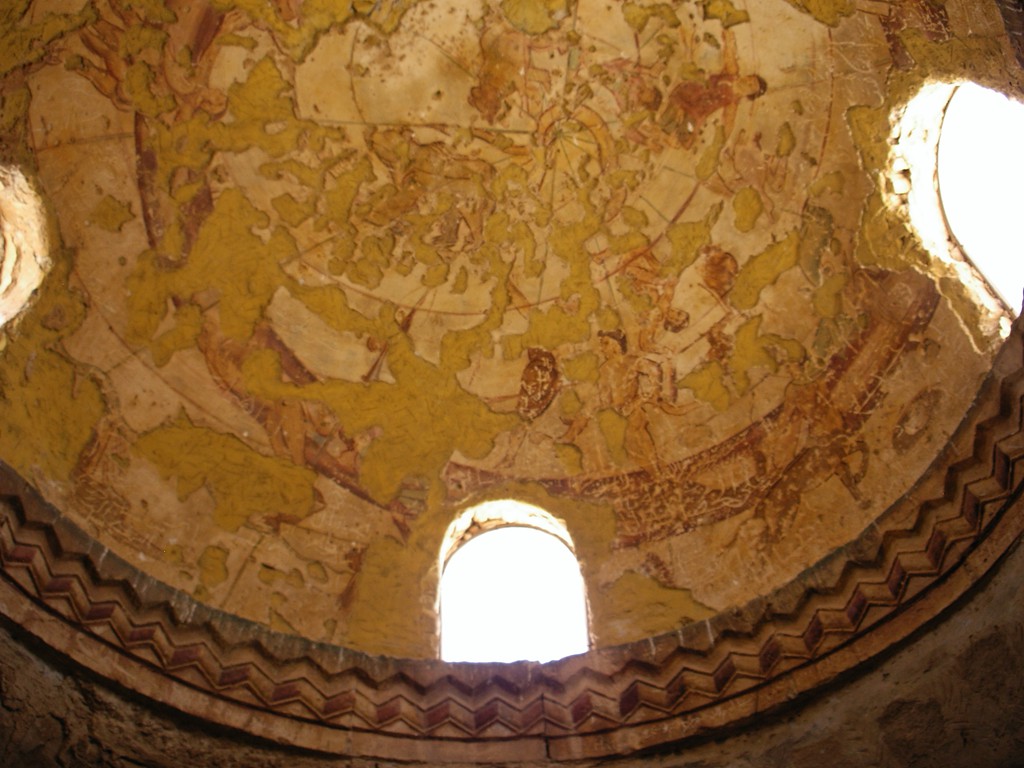
Qusair 'Amra consists of a throne room and a Roman-style bath. What makes Qusair 'Amra so special are its rich wall paintings, some of which are still intact even after 1300 years, although they have suffered greatly from vandalism and improper treatment in recent decades.
The themes include hunting, bathing scenes, naked women, crafts, astral bodies, animals, acrobats, erotic scenes and royal figures. They are spread across all rooms and do not allow any definitive conclusions to be drawn about their meaning.
Qasr al-Azraq
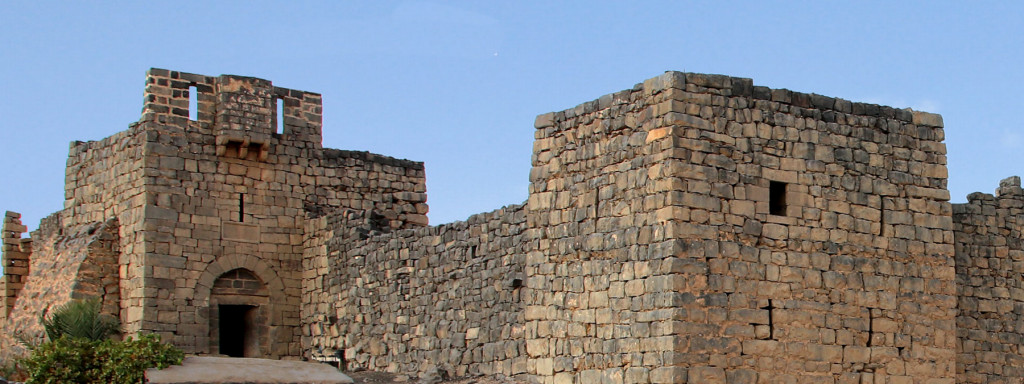
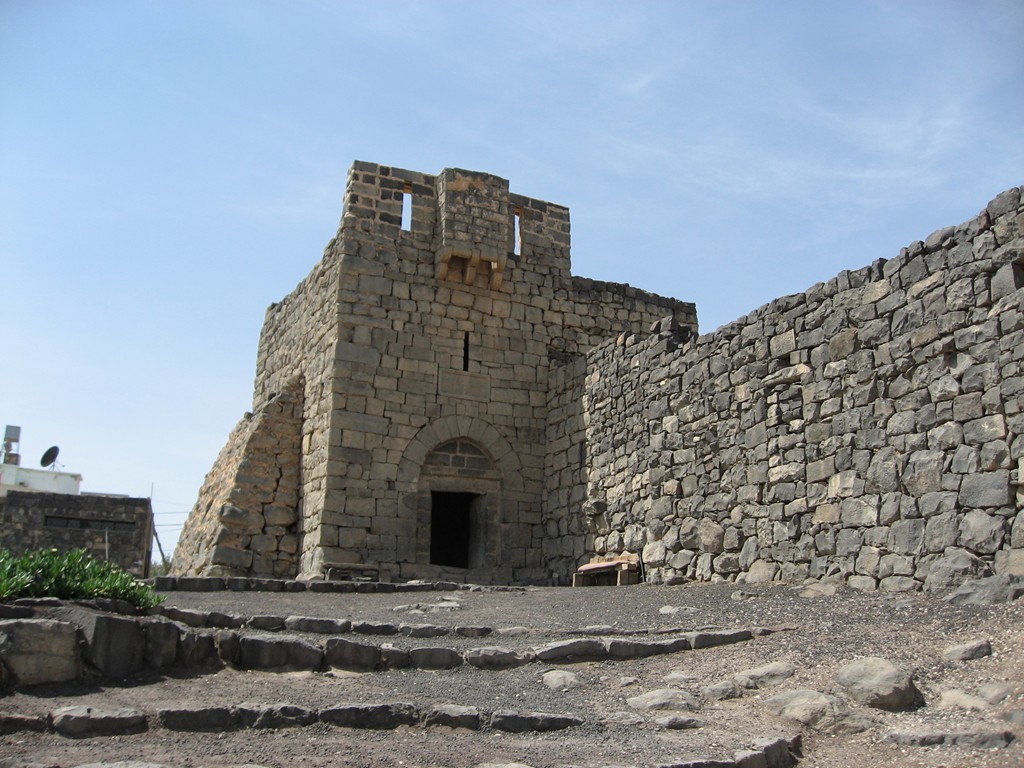
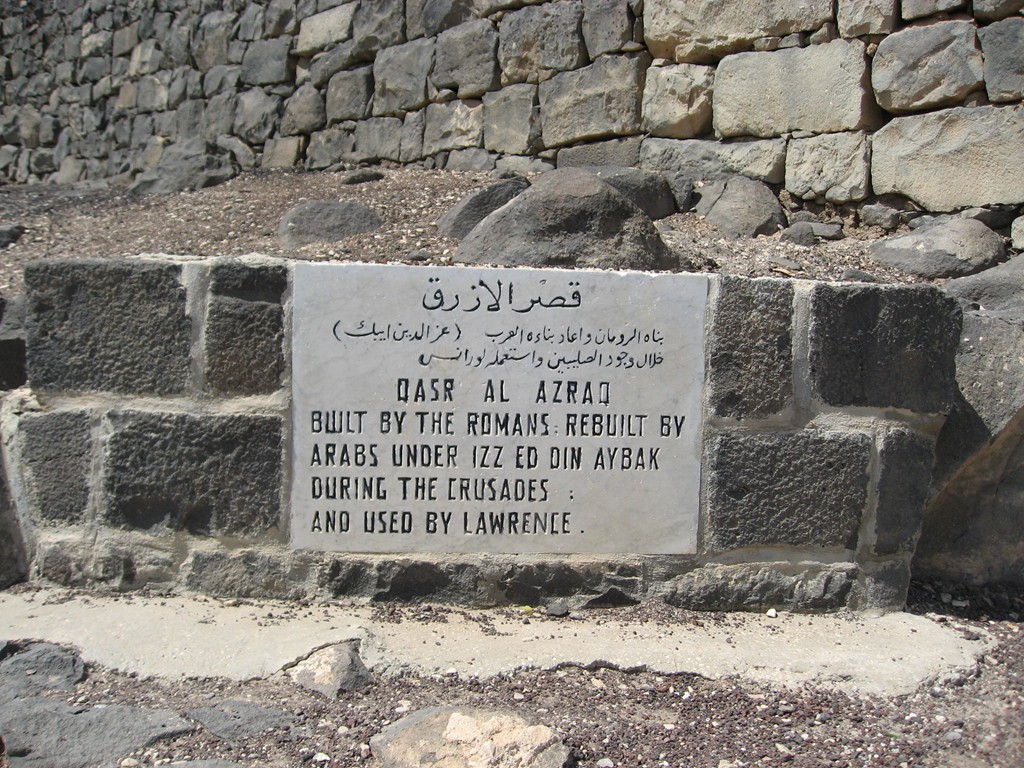
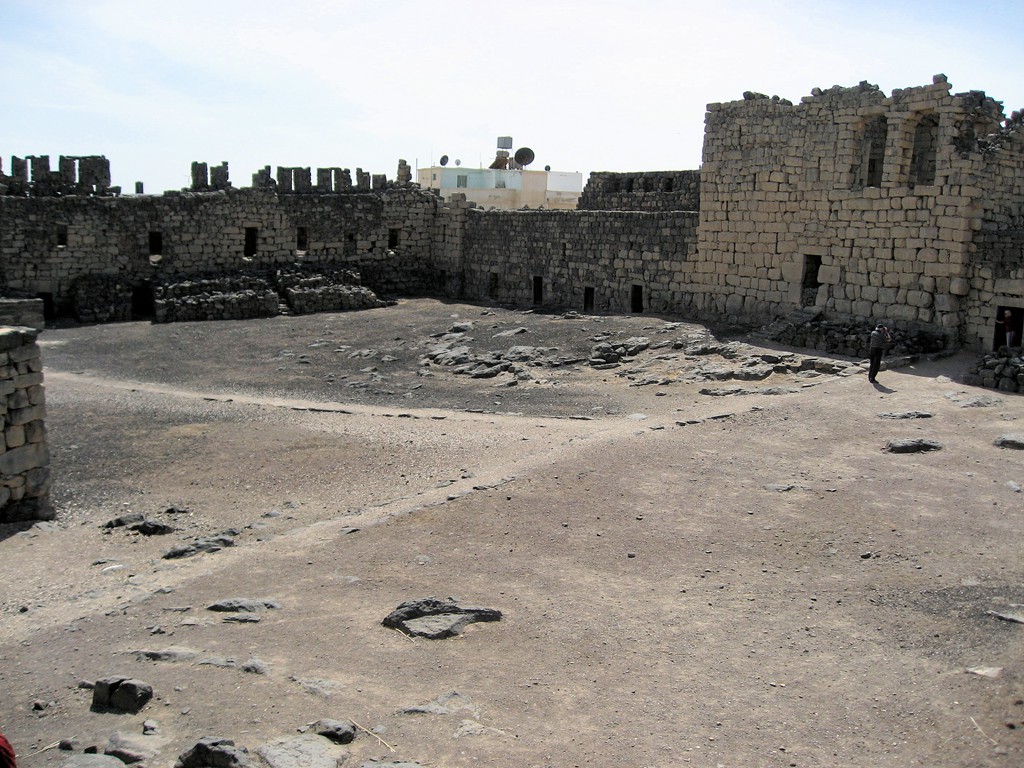
Qasr al-Azraq was built by the Romans and expanded by the Arabs. Lawrence of Arabia also used it.