


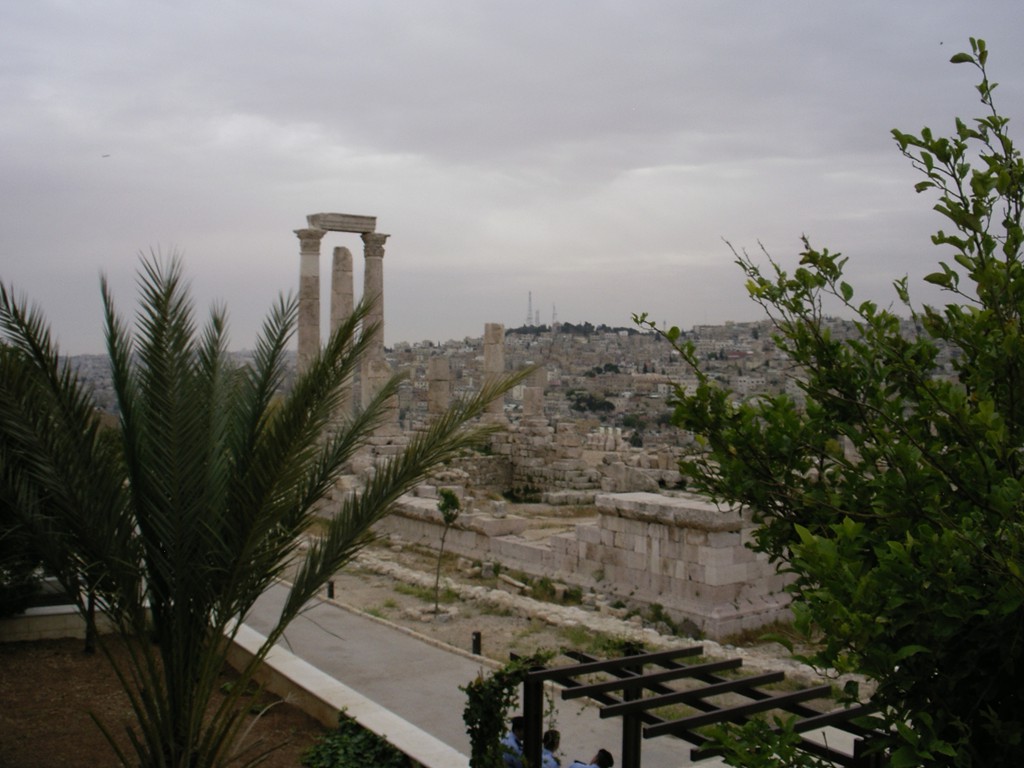
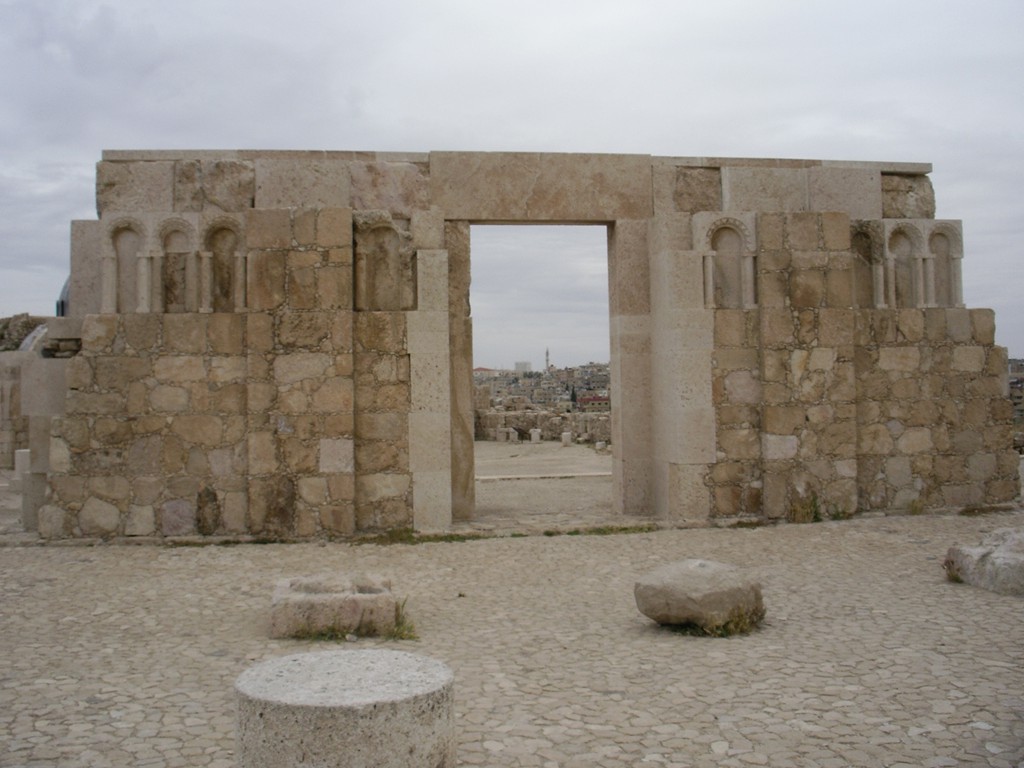
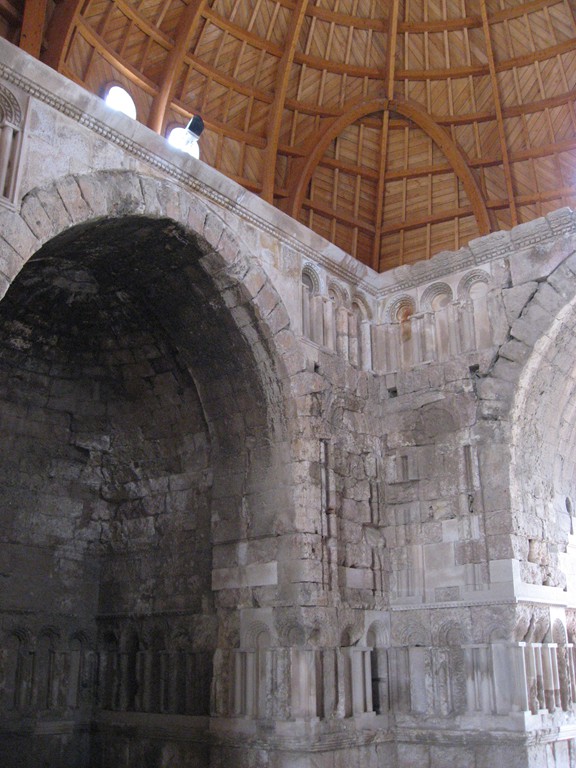
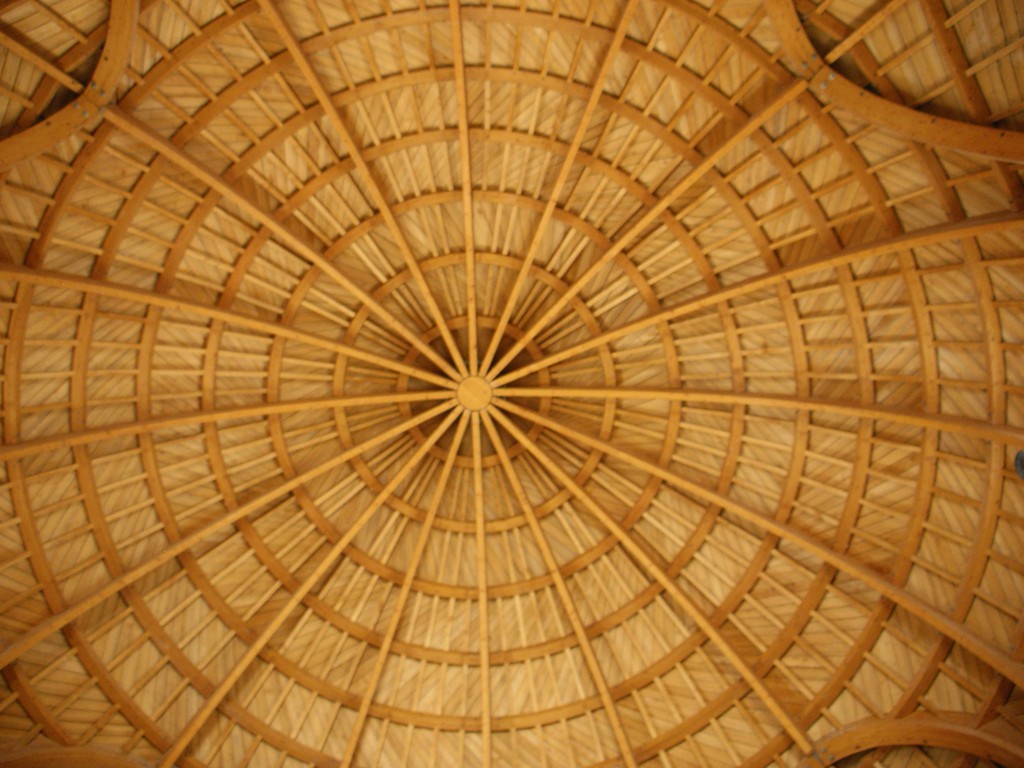
Amman, the capital of Jordan, is a modern city with numerous ancient ruins. On Jabal al-Qala'a hill, you will find the historic citadel with the columns of the Roman Temple of Hercules and the 8th-century Umayyad Palace, famous for its large dome. On another hill in the city centre is the 2nd-century Roman amphitheatre, which seats 6,000 and occasionally hosts events.
Pictures of the city
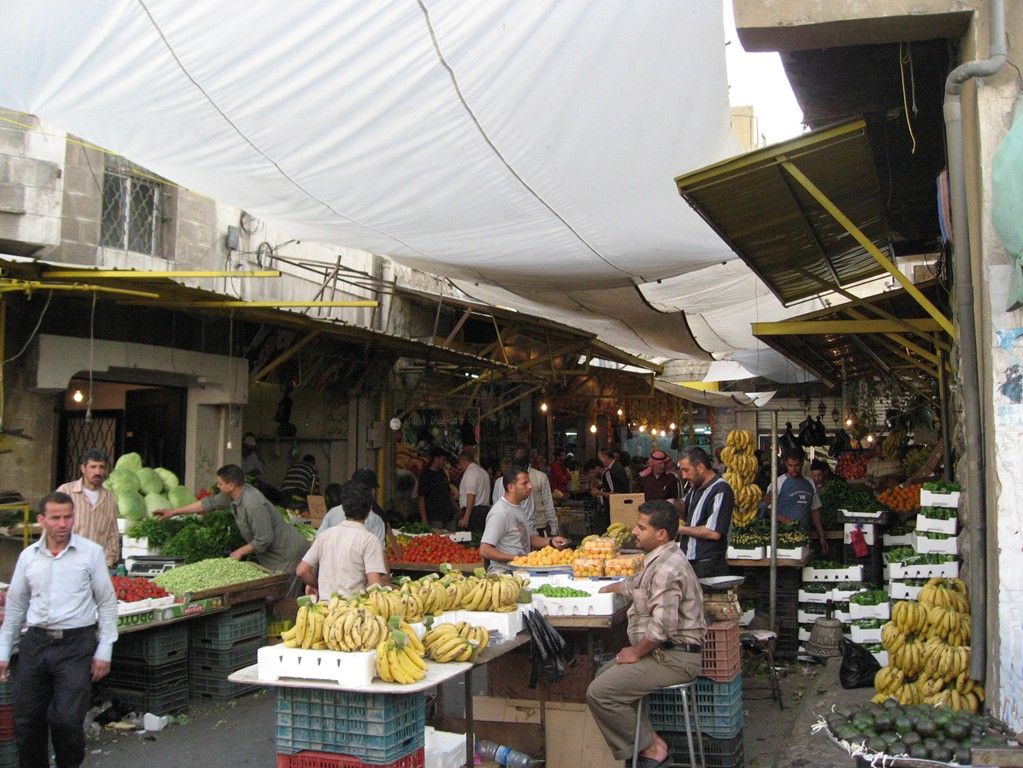
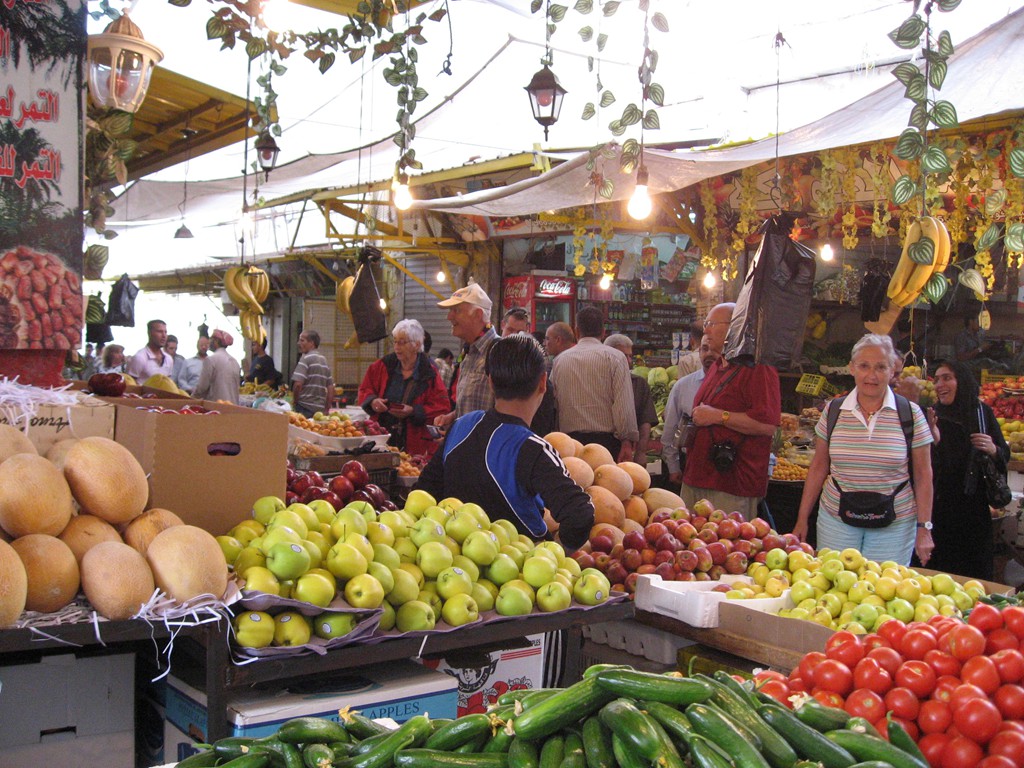
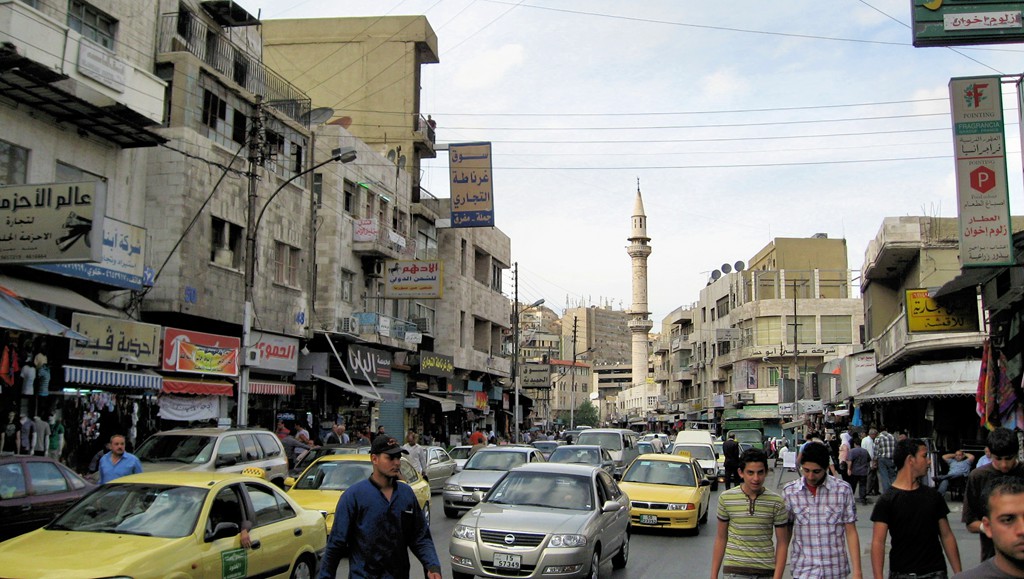
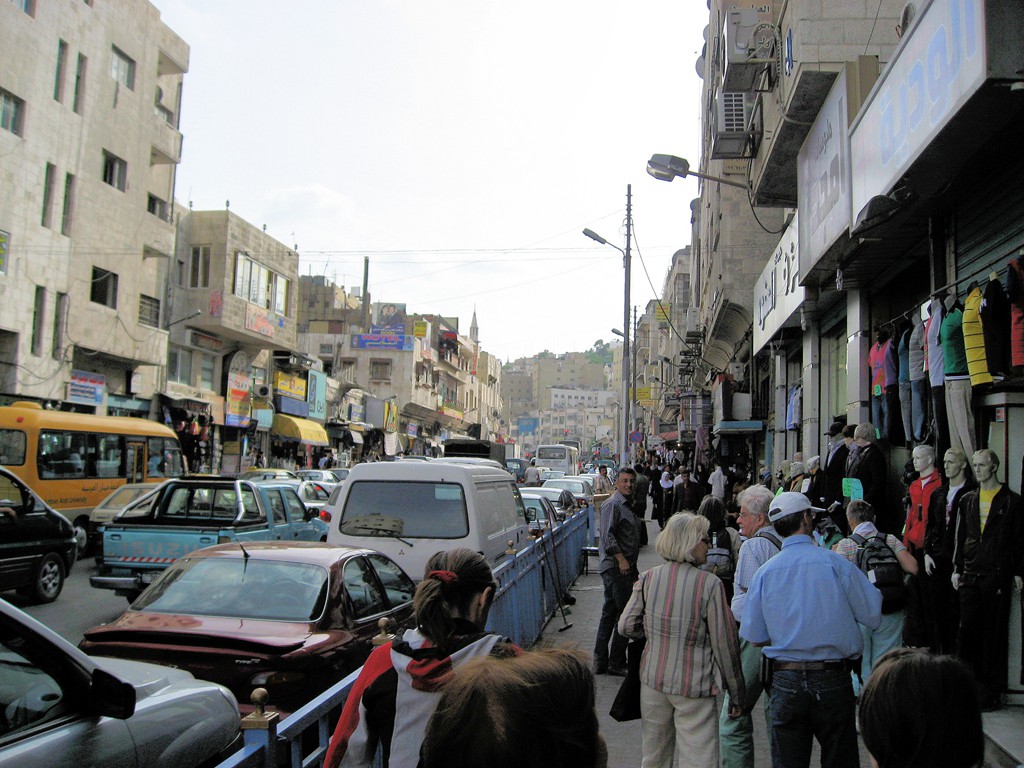
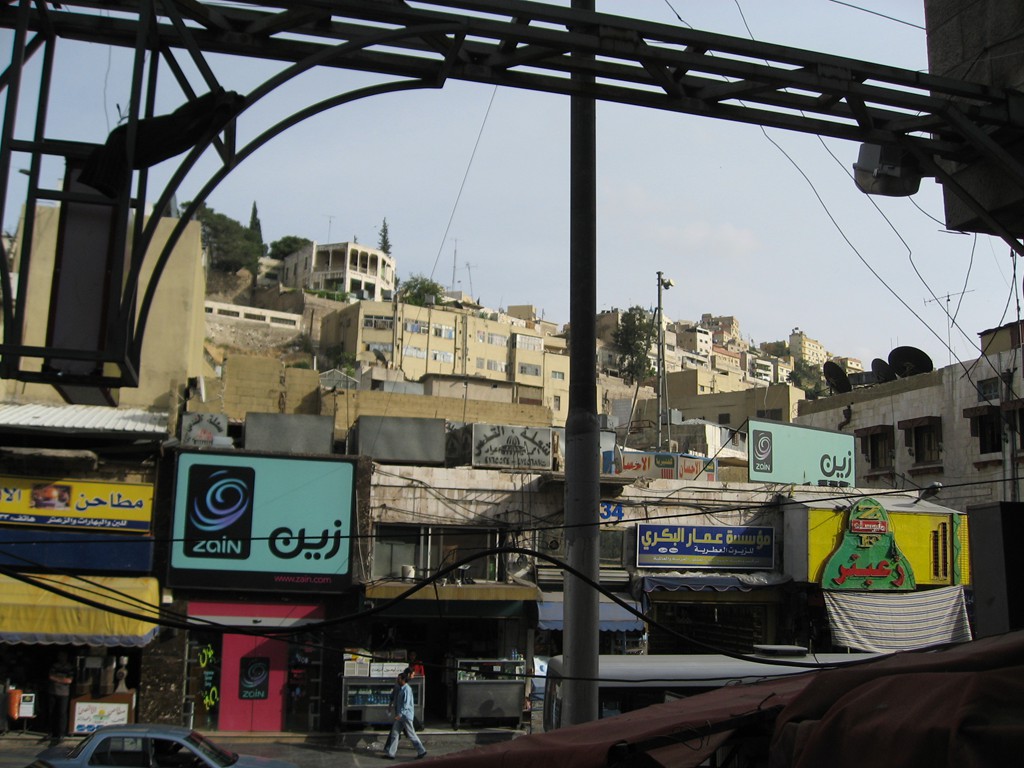
Citadel
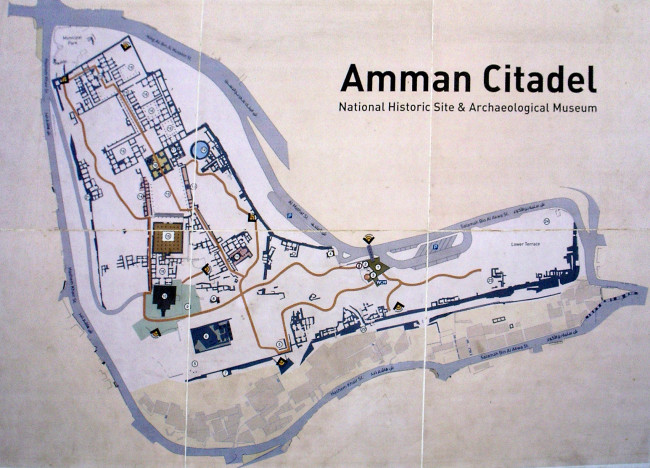
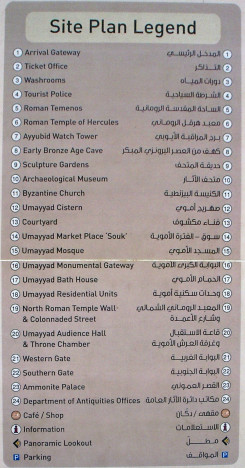
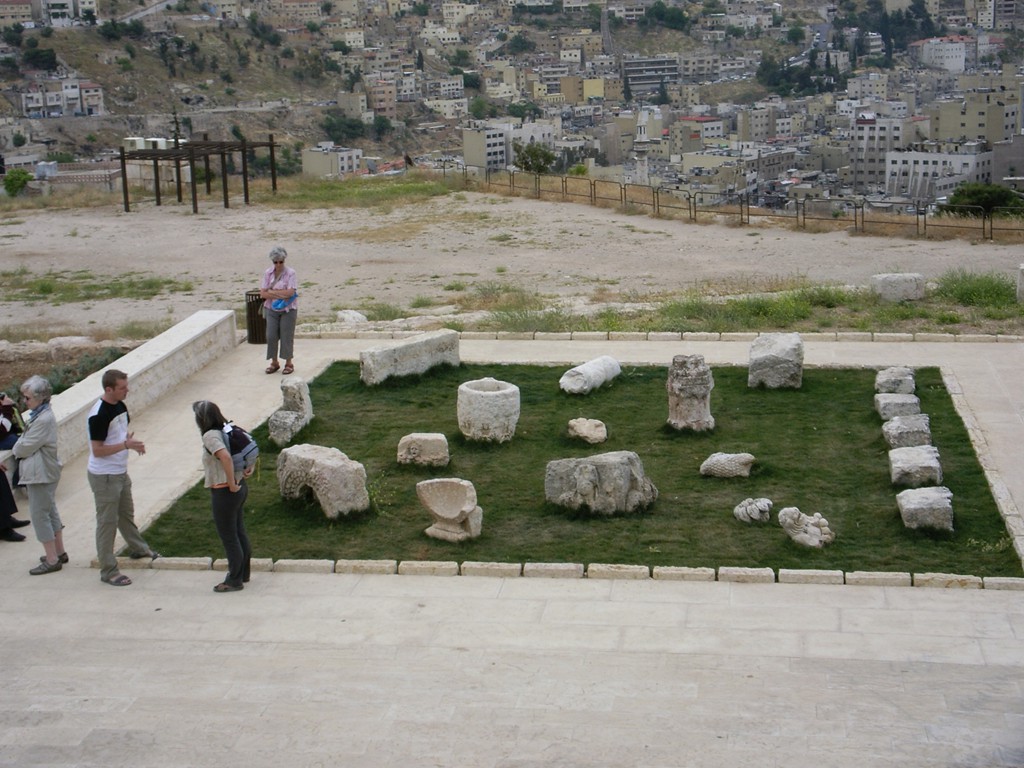
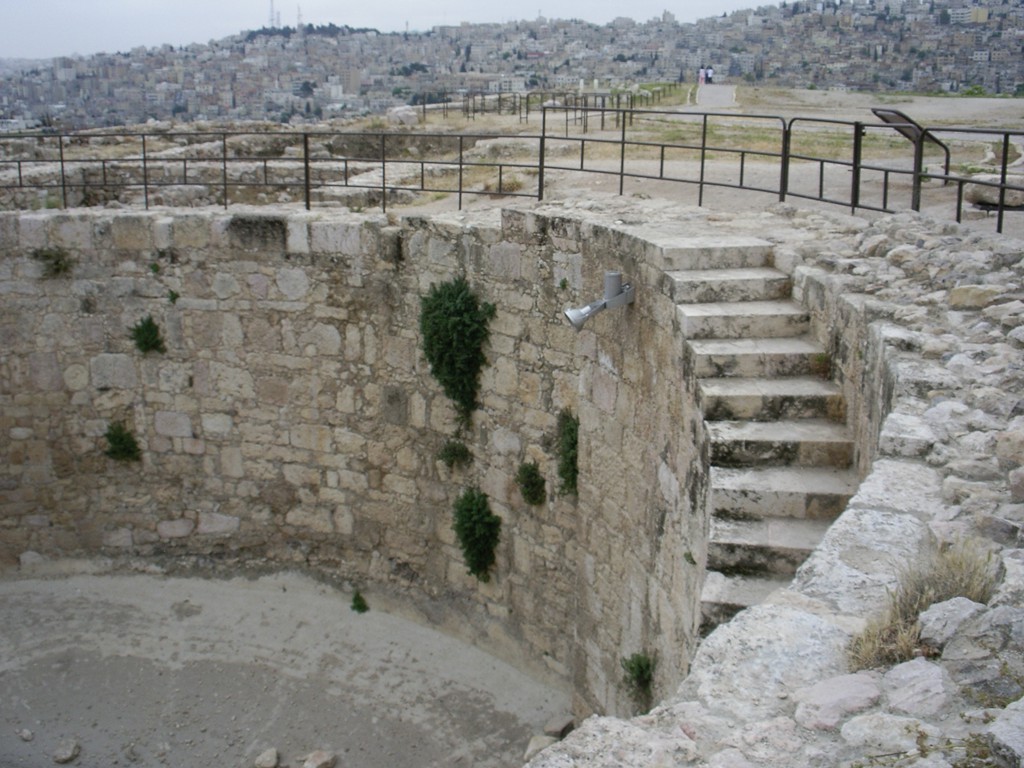
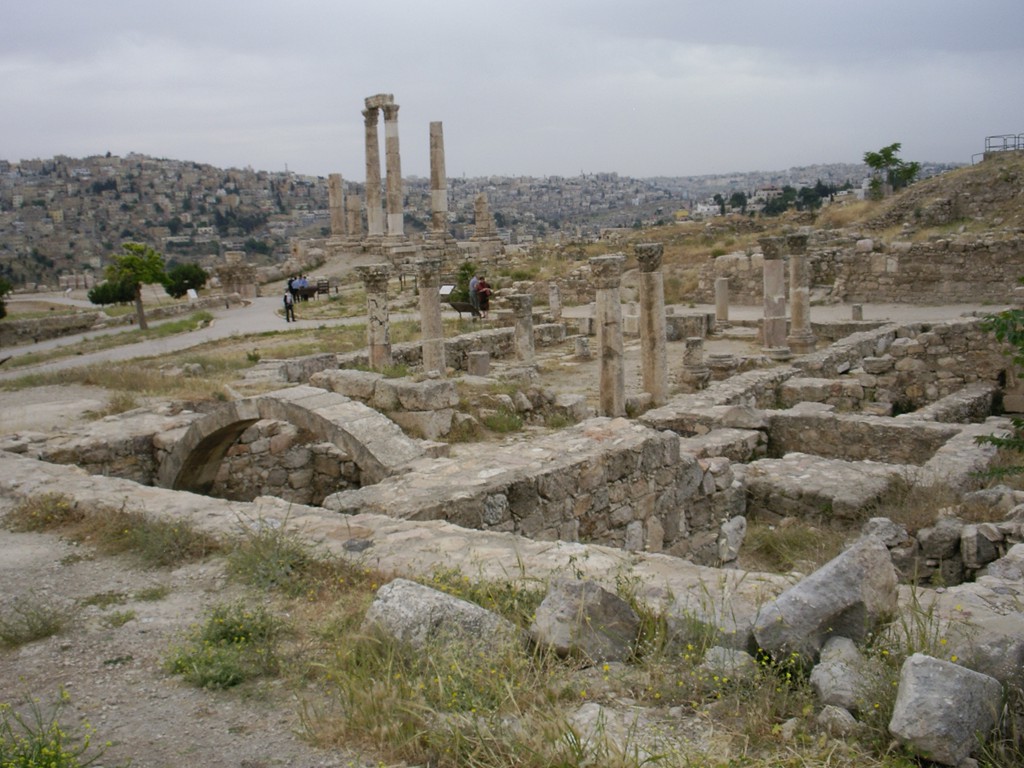
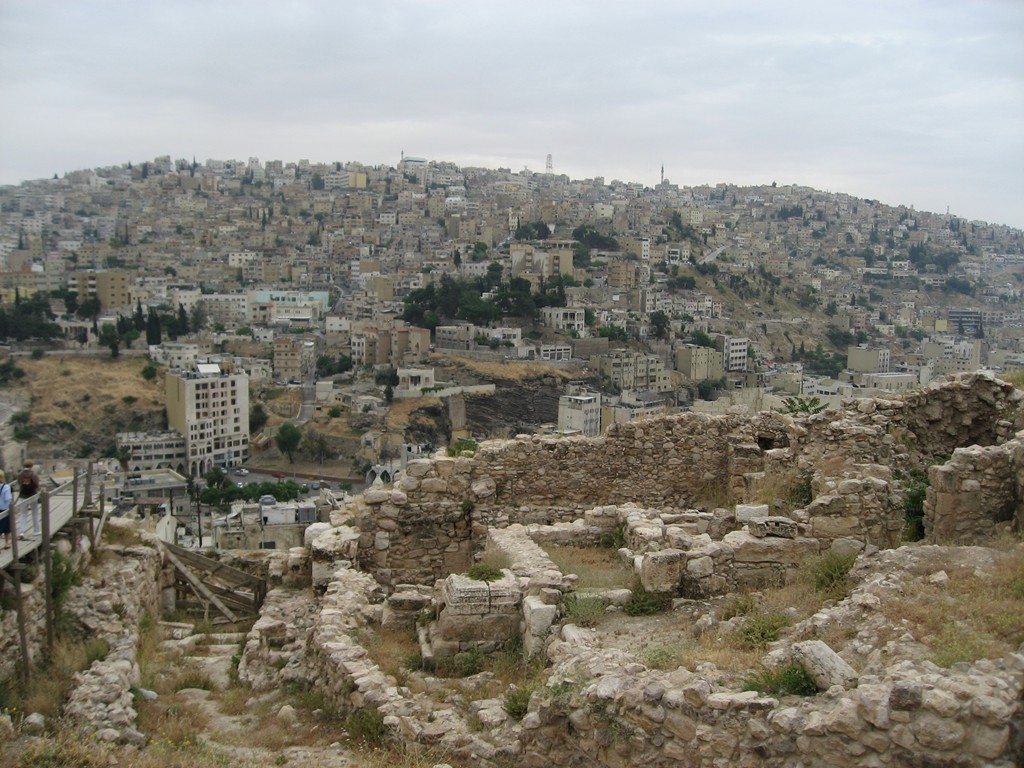
The Amman Citadel sits atop Jabal al-Qala'a, one of the seven hills on which Amman was once built. For many centuries, it served as a military and religious site for the city's inhabitants.
Things to see:
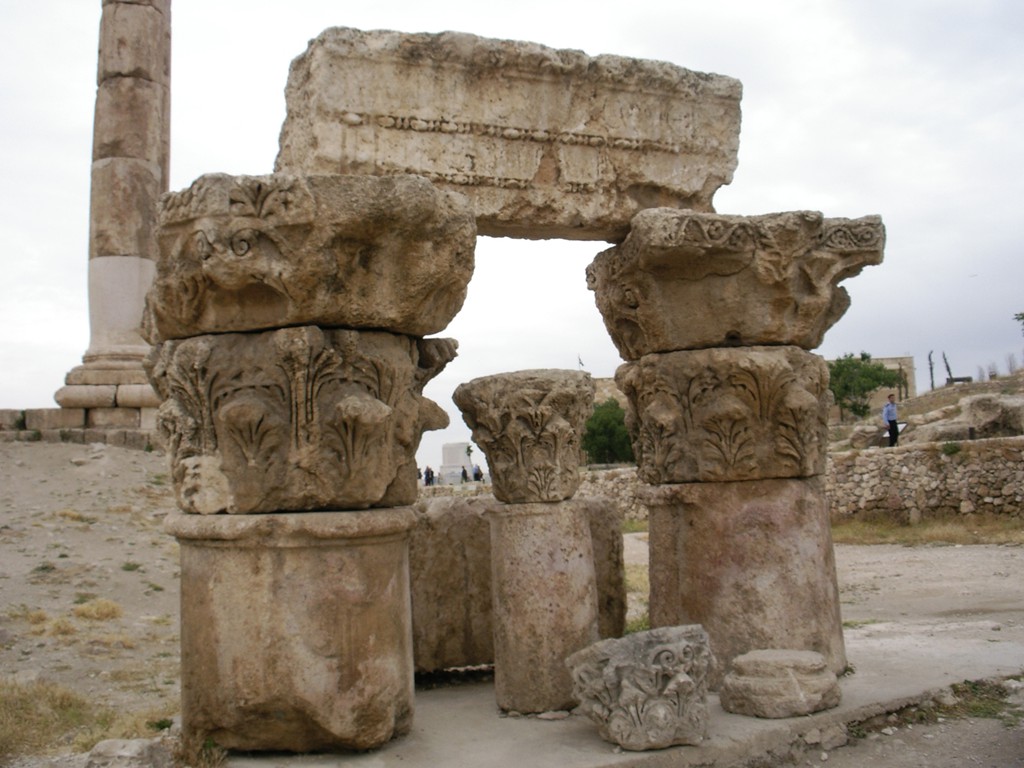
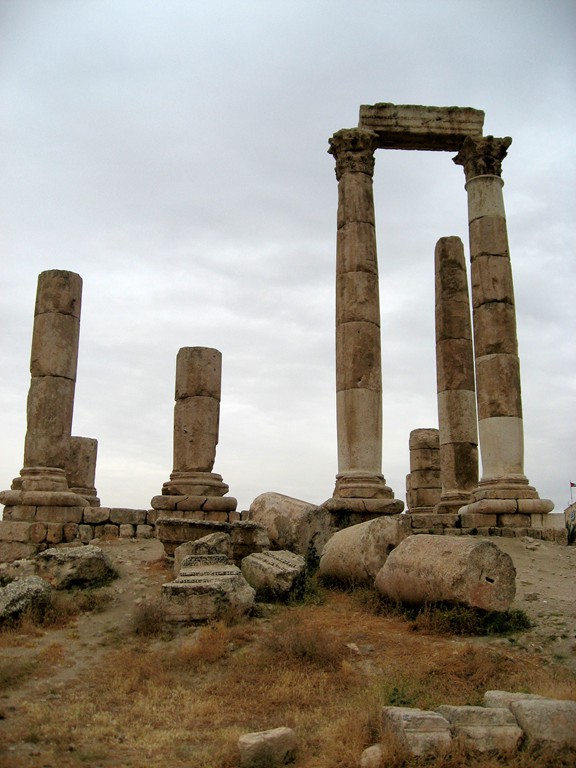
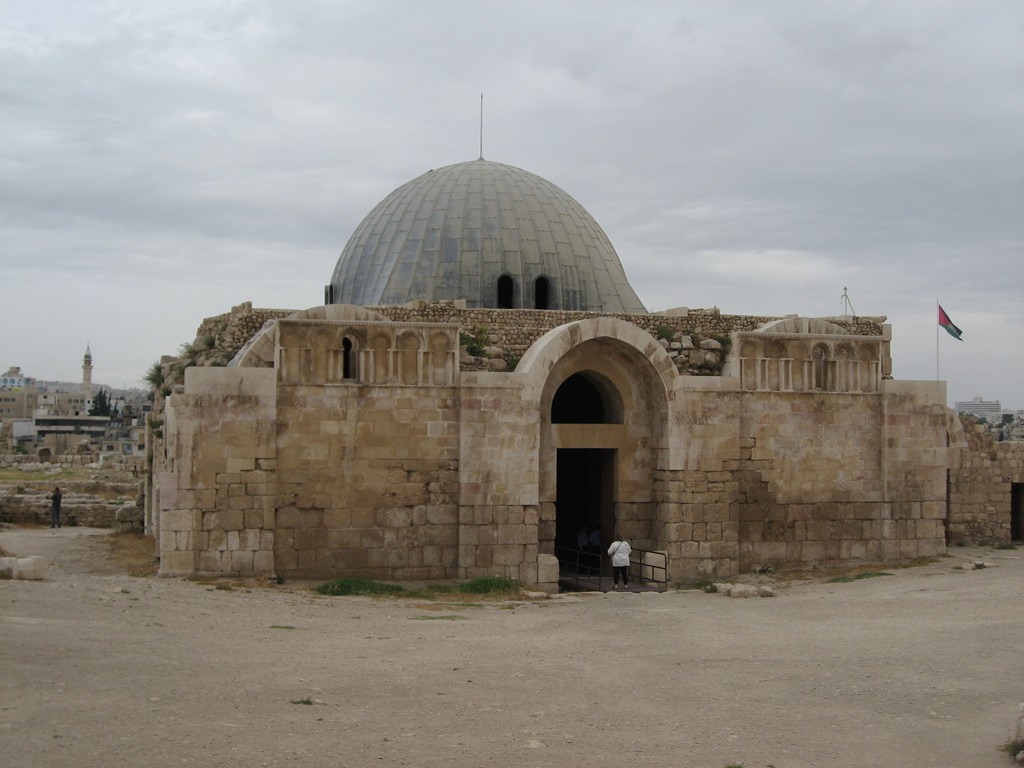
Remains of the Temple of Hercules, built by the Romans around 162-166, and the Umayyad Palace Al-Qasr, a Byzantine-style palace from the first half of the 8th century, which was used as an administrative centre or residence for the caliph of the time.
Roman theatre
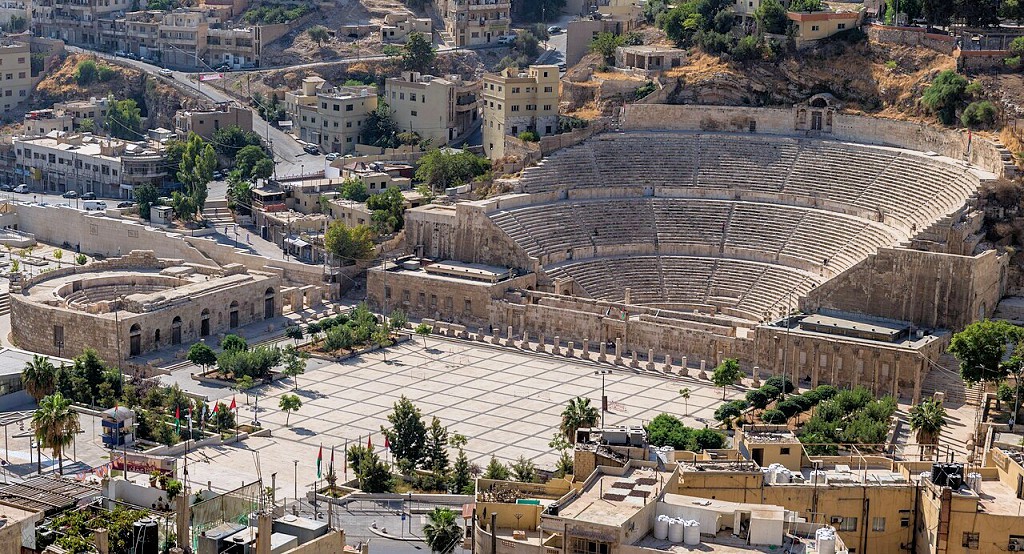
According to an ancient inscription, the Roman theatre was built towards the end of the 2nd century AD. The building is exceptionally well preserved and has excellent acoustics, which is why many cultural events still take place there today.
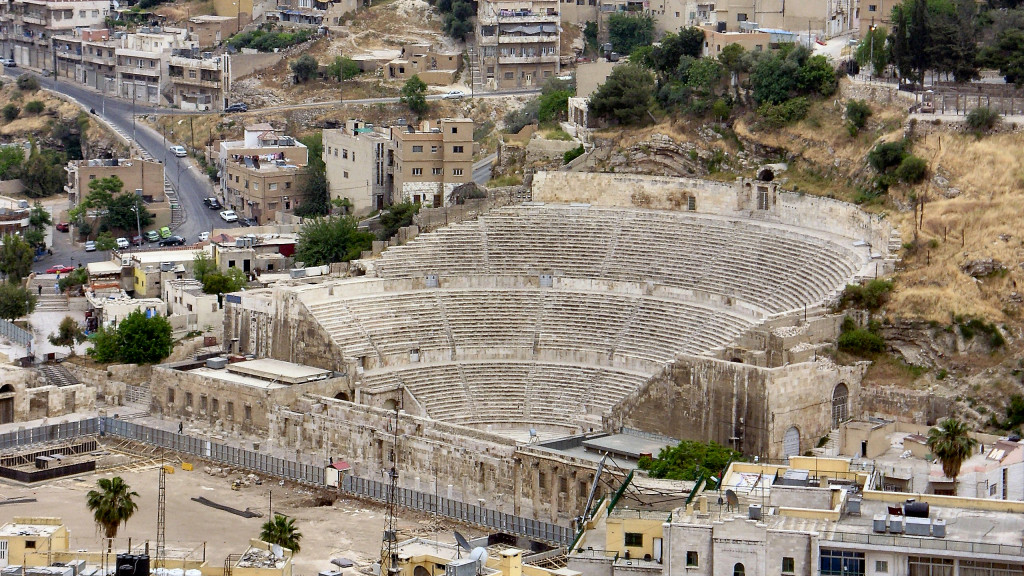
See what has become of the construction site on the forecourt:
 lightbox for MACby VisualLightBox.com v6.1
Jordan Museum
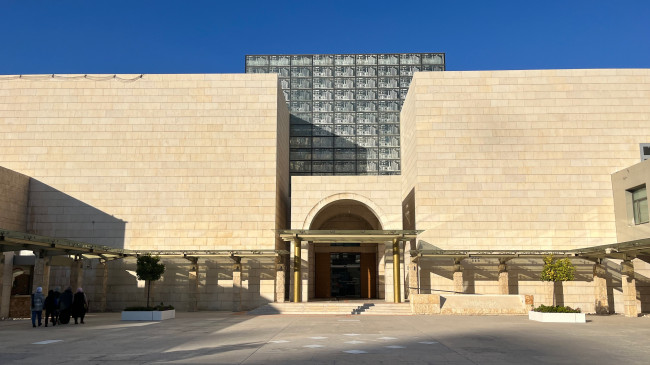
The National Museum of Jordan uses archaeological finds to tell the story of Jordan from the Palaeolithic Age to the recent past.
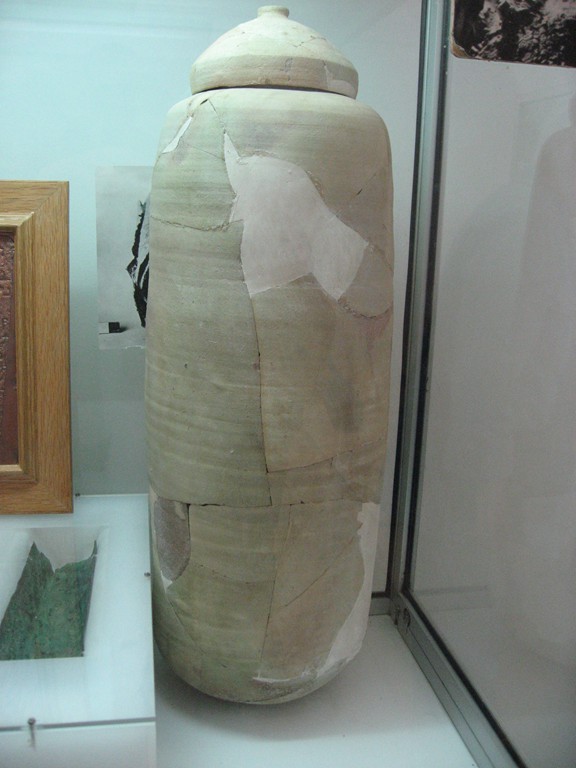
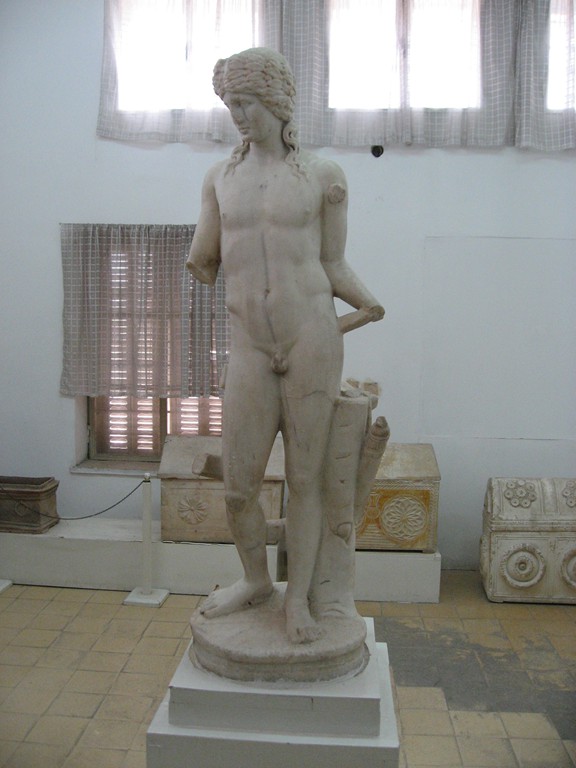
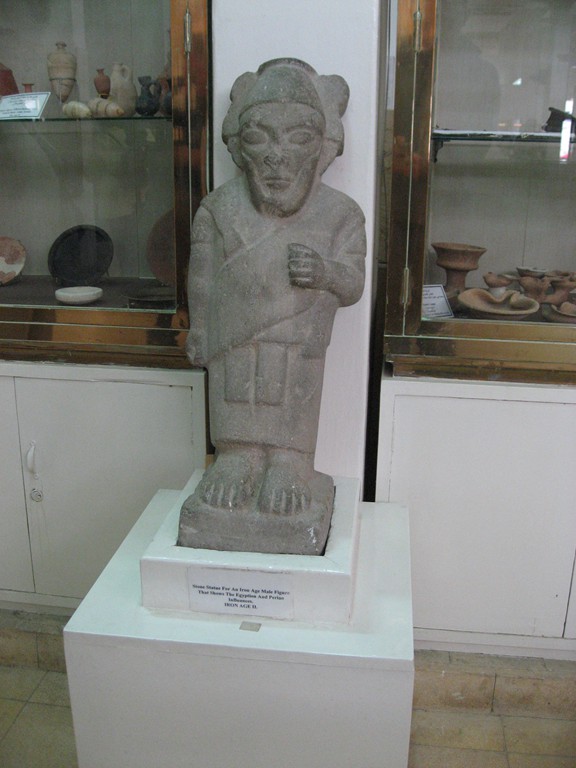
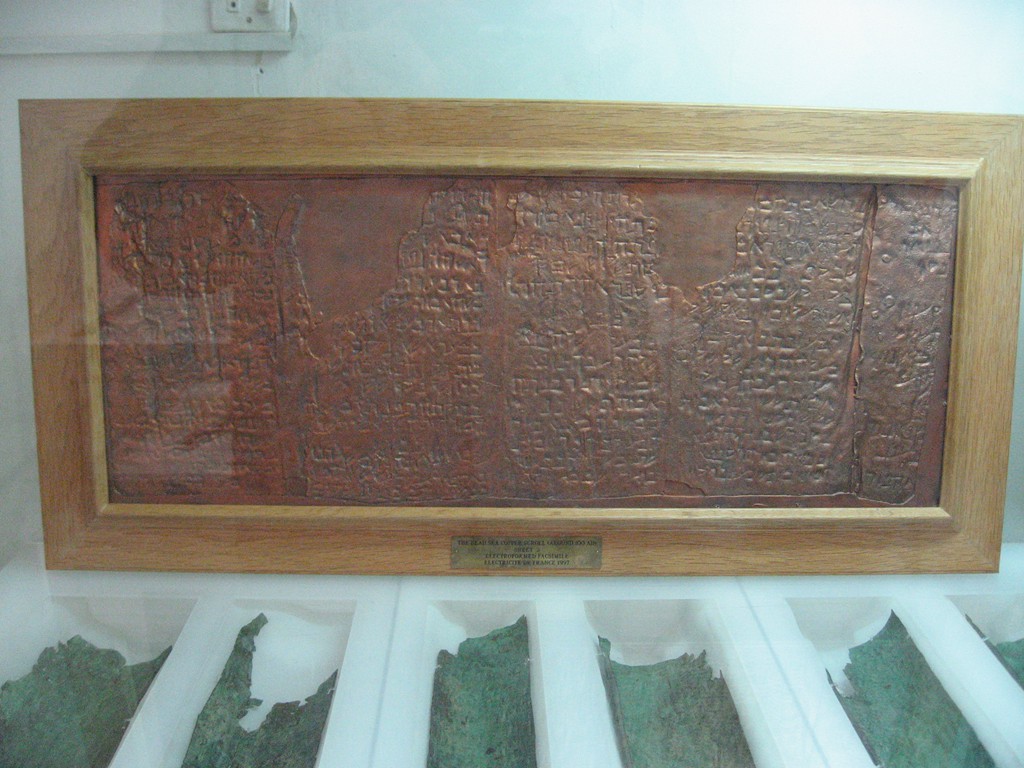
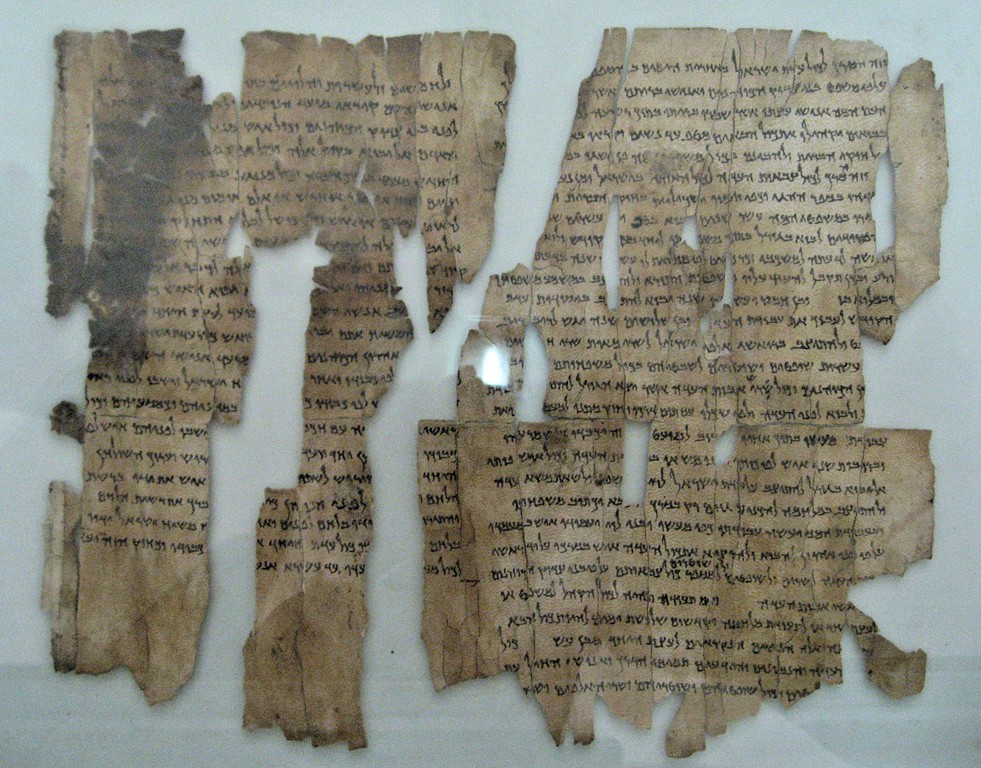
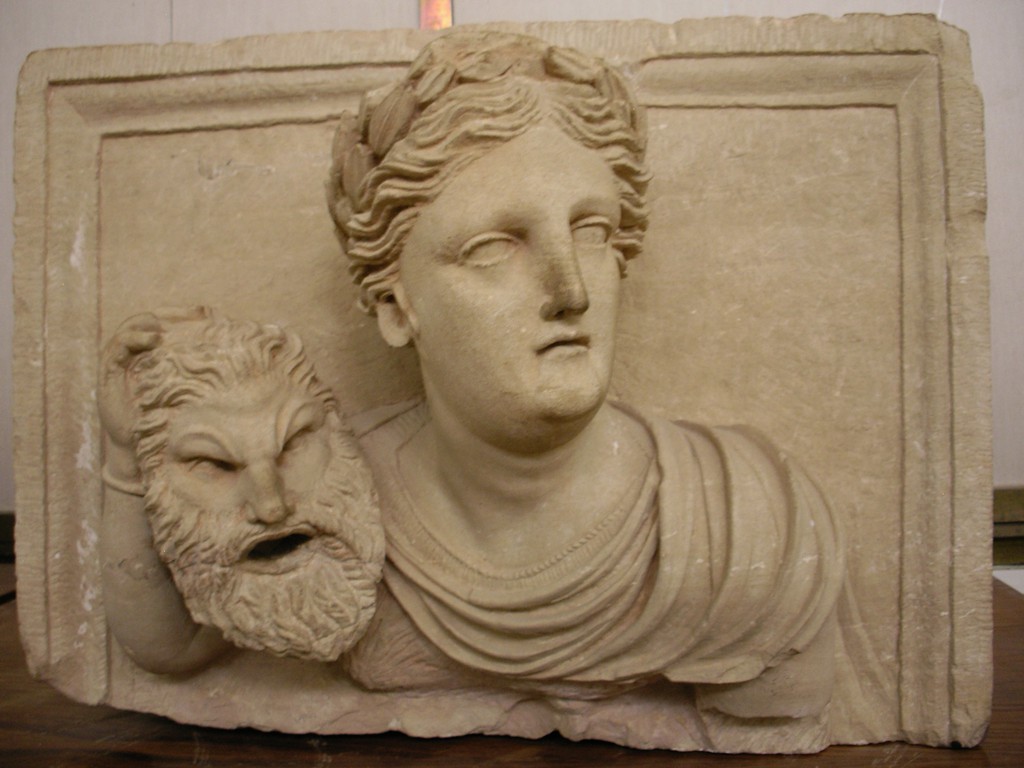
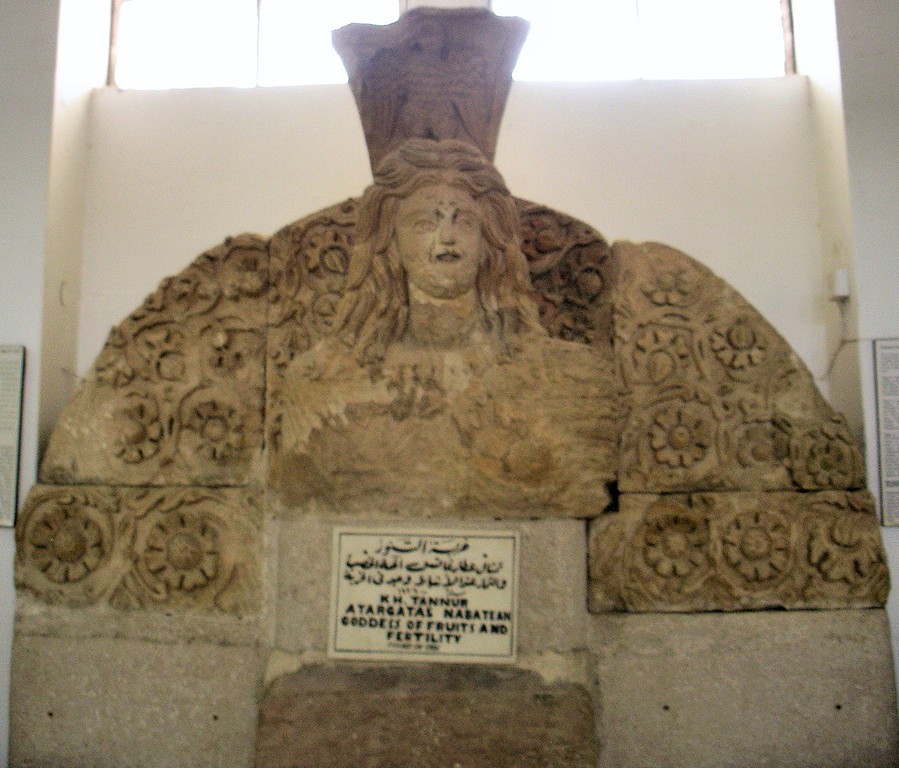
Particularly noteworthy are:
1) a scroll jar, such as those found in the caves of Qumran on the Dead Sea
2) a statue of Apollo
3) a statue of an Ammonite king from the Iron Age. The figure is made of hard, grey stone and wears a scarf over a robe in the Aramaic-Syrian tradition. The statue was found on the north side of the Amman Citadel.
4) A copper scroll from Qumran (also known as the Copper Scroll), one of the most unique pieces among the Dead Sea Scrolls. It is not a literary work but a list of 64 locations where large quantities of gold and silver are said to have been buried.
5) Fragments of the Dead Sea Scrolls. These ancient Jewish manuscripts, also known as the Qumran manuscripts, are of outstanding historical and religious significance. The scrolls were discovered between 1947 and 1956 in eleven caves near the archaeological site of Khirbet Qumran on the north-western shore of the Dead Sea. They include biblical texts (with the exception of the Book of Esther), apocryphal writings and documents from a Jewish community often identified with the Essenes.
6) As one of the nine Greek muses, Melpomene is the muse of tragic poetry and mourning songs. In this depiction, she holds a pan or satyr mask (god of willows, sheep and shepherds) instead of the tragic mask that normally belongs to her. This relief belongs to a group of architectural sculptures discovered near the temenos gate of the Qasr al-Bint temple in Petra.
7) This statue comes from the Nabataean temple at Khirbet Tannur. The ‘Syrian goddess’ (Lucian, De Syria-Dea) was a goddess of vegetation who was responsible for the fertility of the land and perhaps also the sea.
