


The next morning we start in Sankt Georgen, a district of Freiburg im Breisgau.
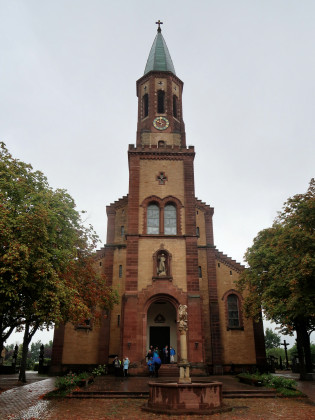
Church of St George: The existence of a church at this location can be traced back to the year 804 (Charlemagne!). In a deed of foundation from the knight Gisalher to the Benedictine monastery of St. Gallen, there is evidence of a church in the village of Hardkirch. The village of Hardkirch later became part of St Georgen. The church was consecrated to St George in 1178. The present church was built in 1866-1869 in the neo-Gothic style.
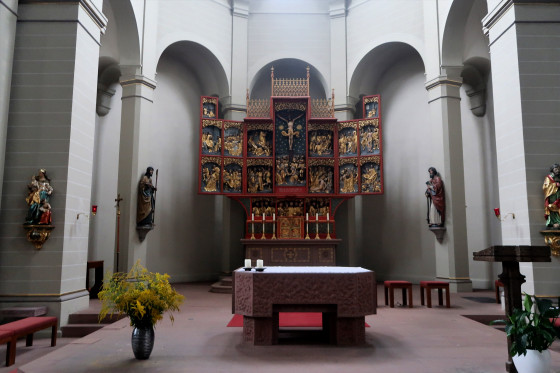
The high altar is a copy of the late Gothic winged altar from Kaysersberg by Hans Bongart from 1518 and depicts scenes from the Passion. In the predella we see St James together with the other apostles. St Wendelin is also depicted in the church.
Hike from St. Georgen to Munzingen
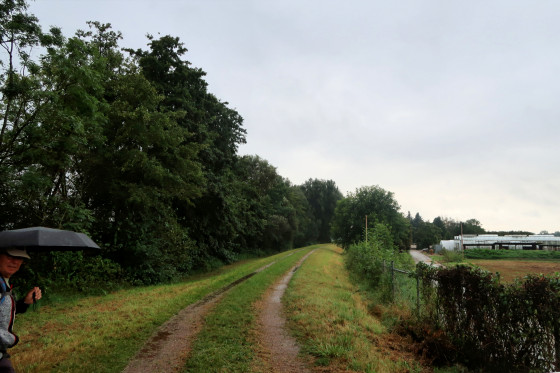

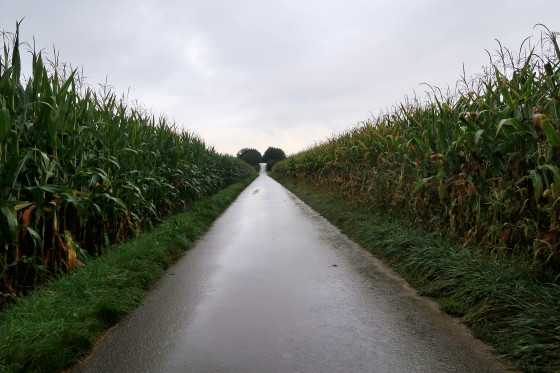

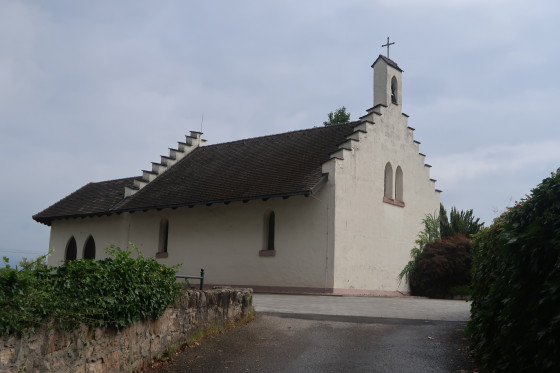
The Way of St James leads past the Mengen cemetery chapel before Munzingen.

The weather improves and we hike along forest and field paths to Munzingen.
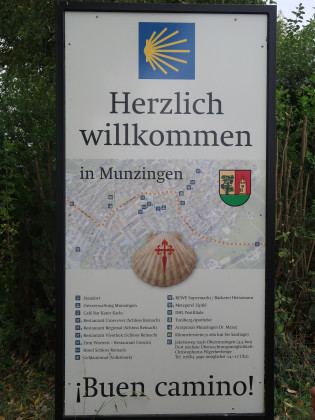
Munzingen is a rural village and has been a district of Freiburg im Breisgau with its own local administration since 1973.
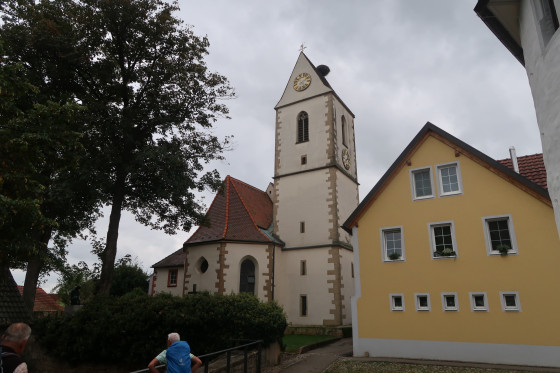
The Catholic parish church of St. Stephan is located in the centre of the village.
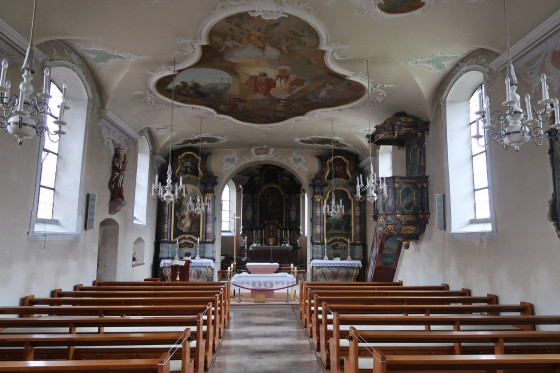
The choir dates from 1590 and the nave from 1648 was enlarged in 1747 and remodelled in Baroque style. A baptismal font from the 17th century is worthy of note.
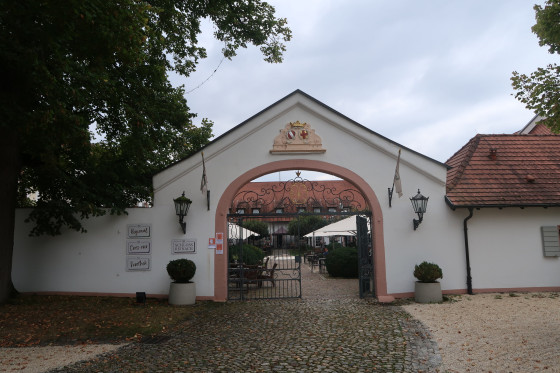
Schloss Reinach (Reinach Castle), a former manor house, is now a hotel and restaurant.
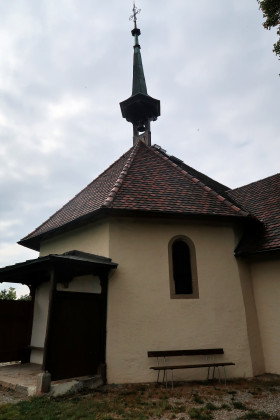
The Erentrudis Chapel, the landmark of the Tuniberg, is located on the 271 metre-high Kapellenberg above the Munzingen district of Freiburg. The chapel is dedicated to St Erentrudis of Salzburg. Erentrudis was the first abbess of the Benedictine abbey of Nonnberg in Salzburg and is the patron saint of Salzburg. Born in Worms around 650, she died in Salzburg in 718.

View from the Tuniberg
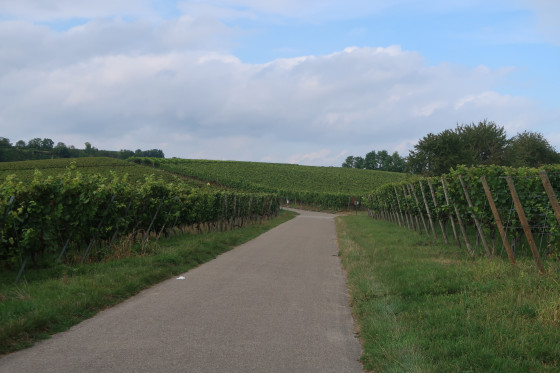
The Tuniberg is one big vineyard.
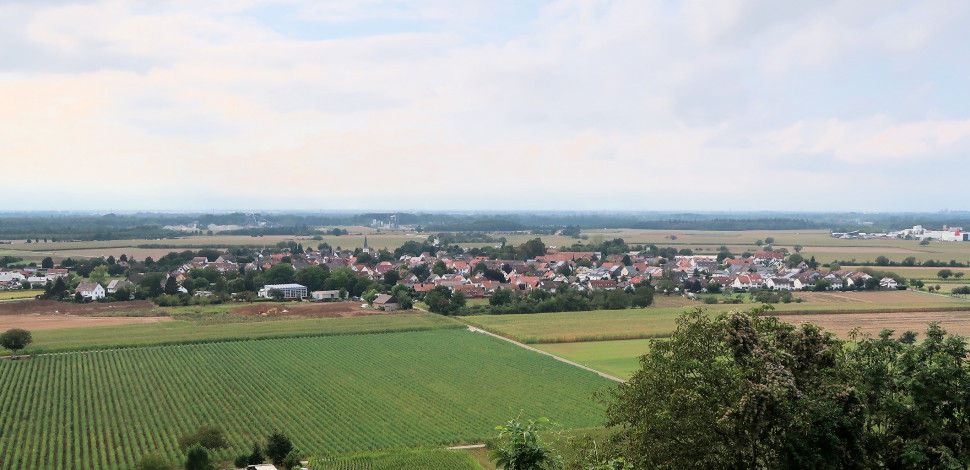
View of Oberrimsingen

Marching into Oberrimsingen, the parish church of St Stephan is hidden behind the tree.

Our accommodation, the Gasthof Löwen
Today's main building was built in 1783 and is still owned by the Zeller family. Until the 19th century, it served as a post office and horse changing station. In the second half of the 19th century, the ‘Gasthaus Löwen’ was granted a liquor licence.

Freiburg


Oberrimsingen - Breisach
