


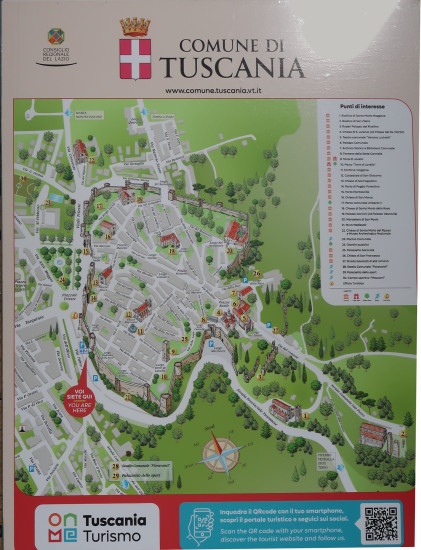
Tuscania is located 90 kilometres northwest of Rome and about twenty kilometres from Tarquinia. The city has a long history: from an Etruscan settlement to a Roman colony to a medieval bishopric. Today, it is one of the best-preserved historical cities in the Tuscia region and lies off the beaten tourist track.
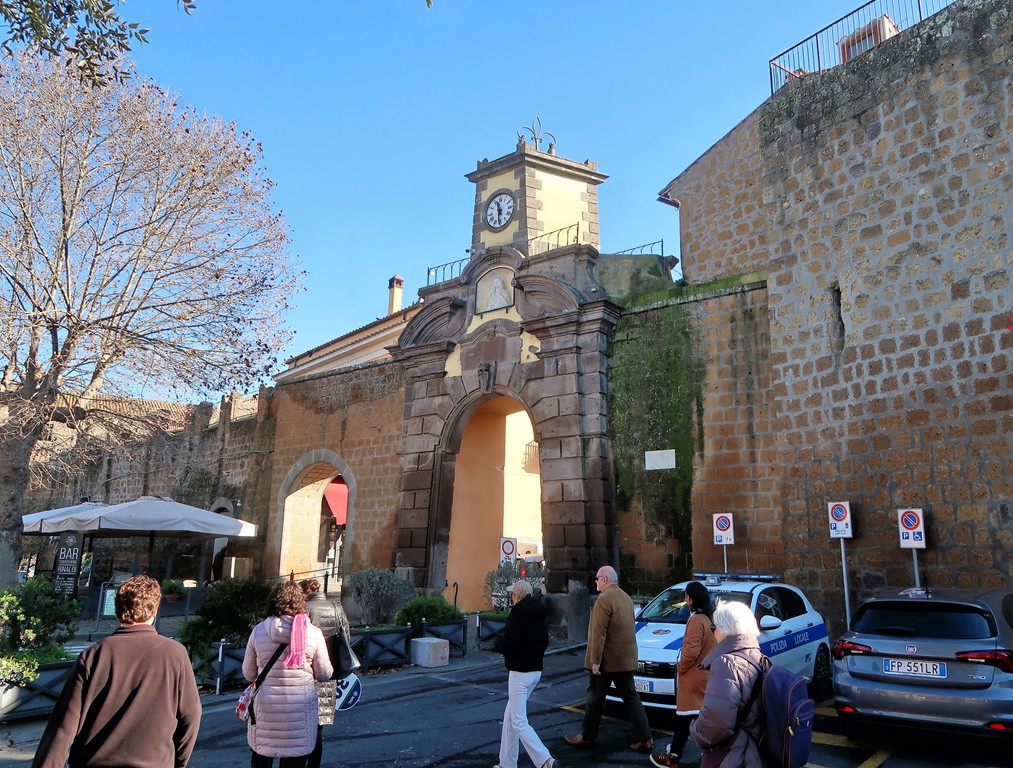
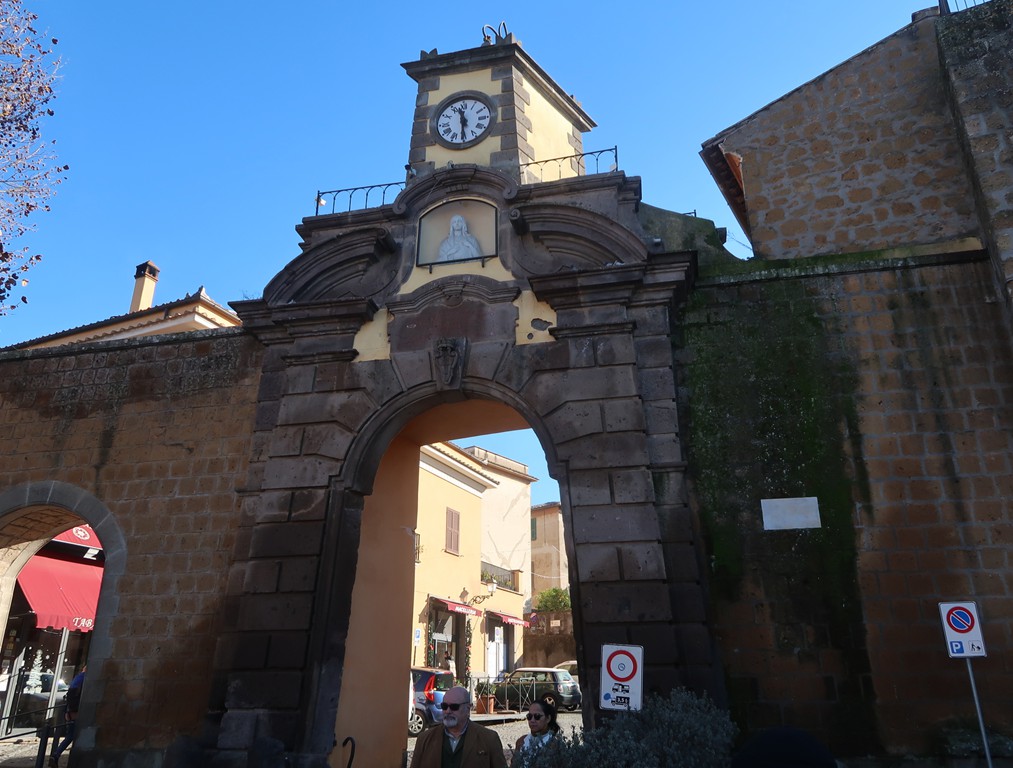
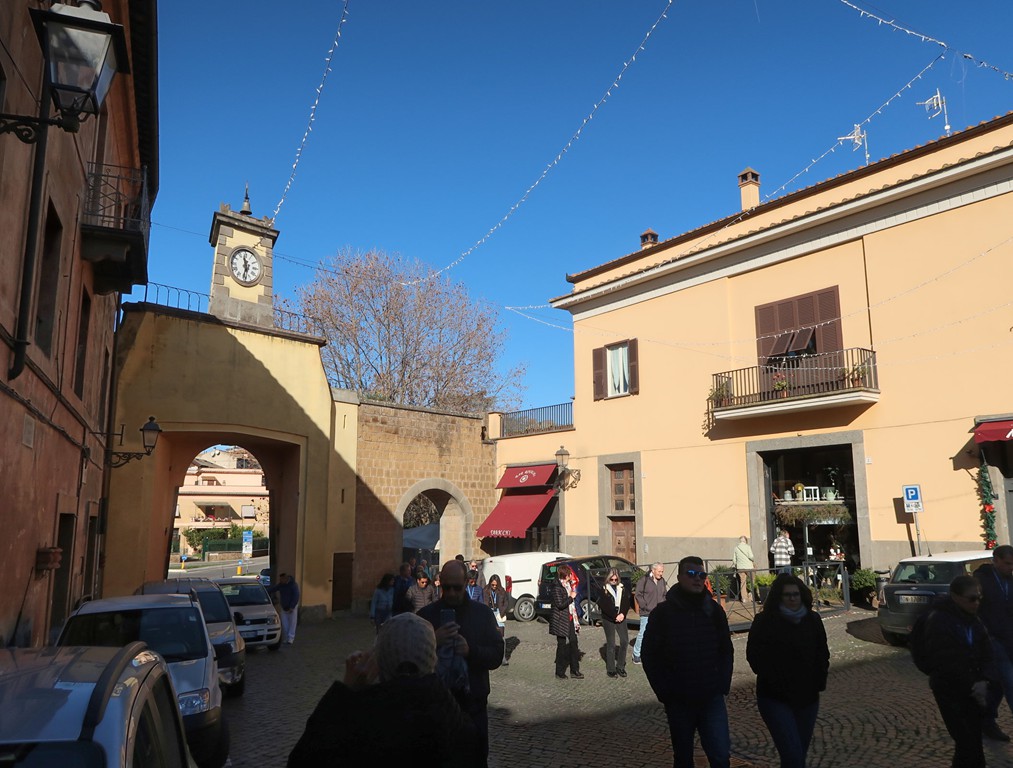
The old town is surrounded by a city wall with well-preserved gates, such as the Porta del Poggio and the Porta San Marco. The streets are narrow, the houses are built of local stone, and the squares are small and quiet.
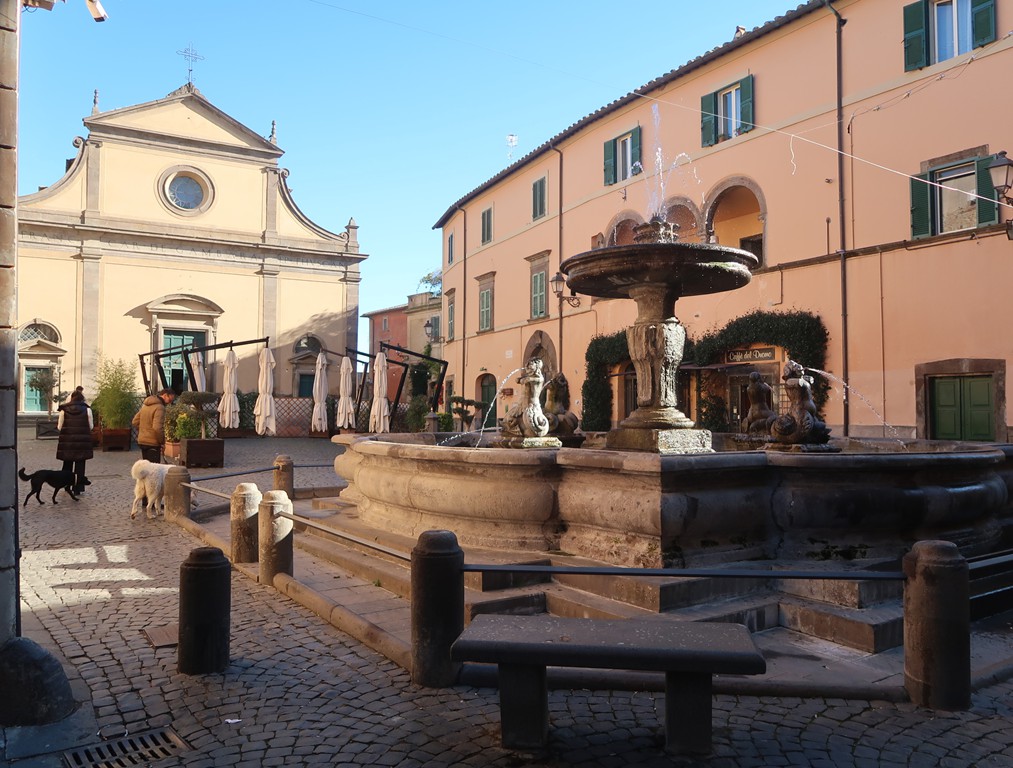
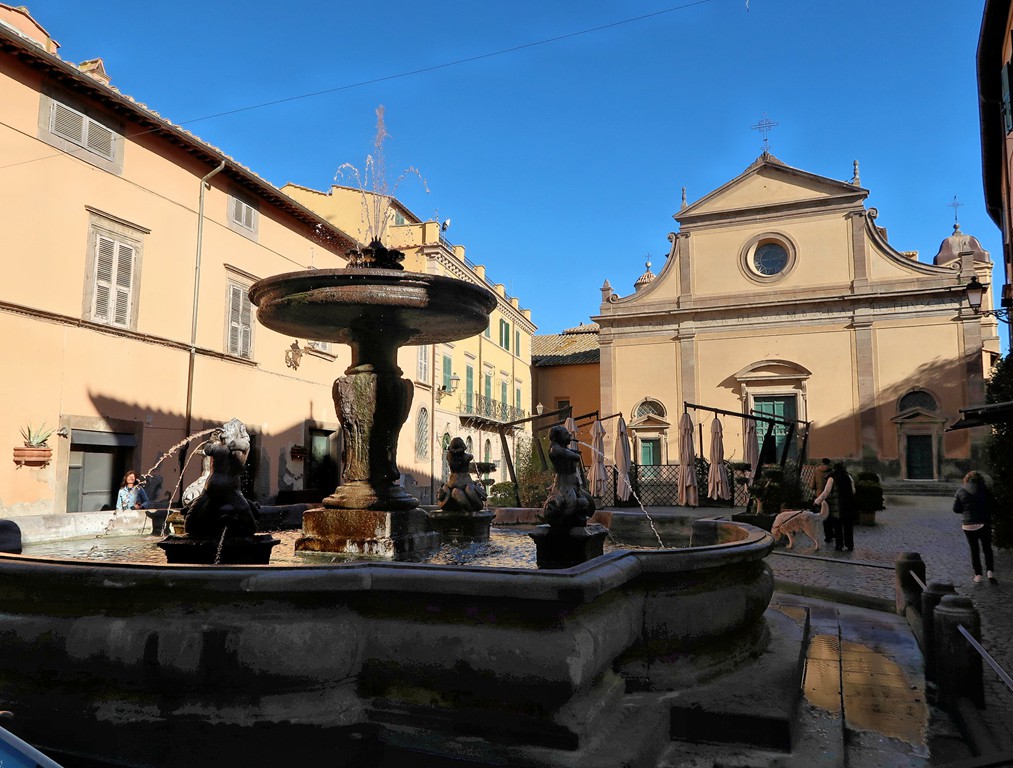
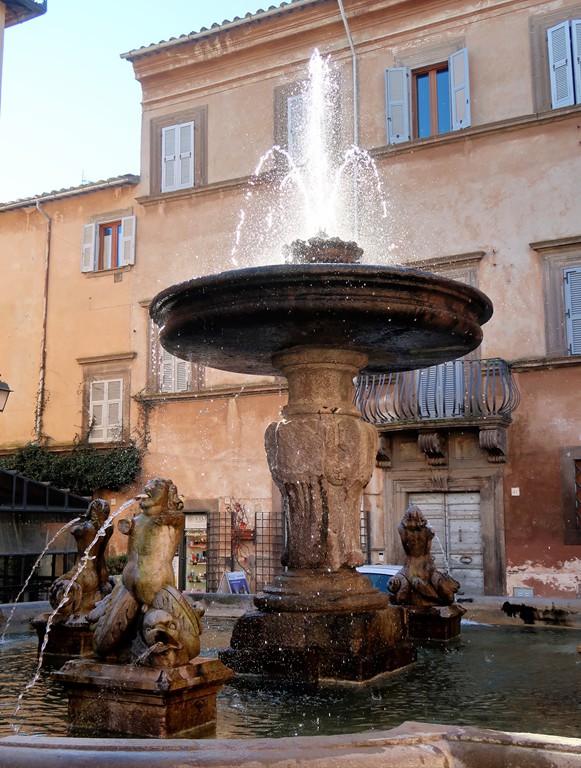
Through the Porta di Poggio into the city to Piazza del Duomo with the Fontana Grande and the Co-Cathedral of San Giacomo Maggiore.
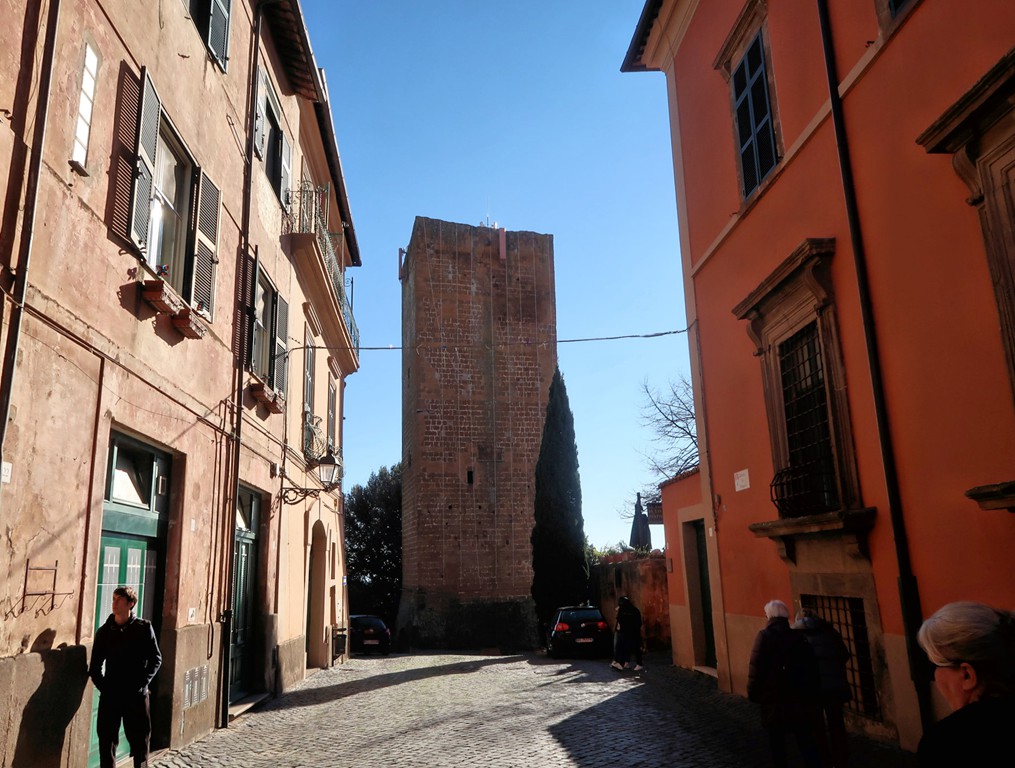
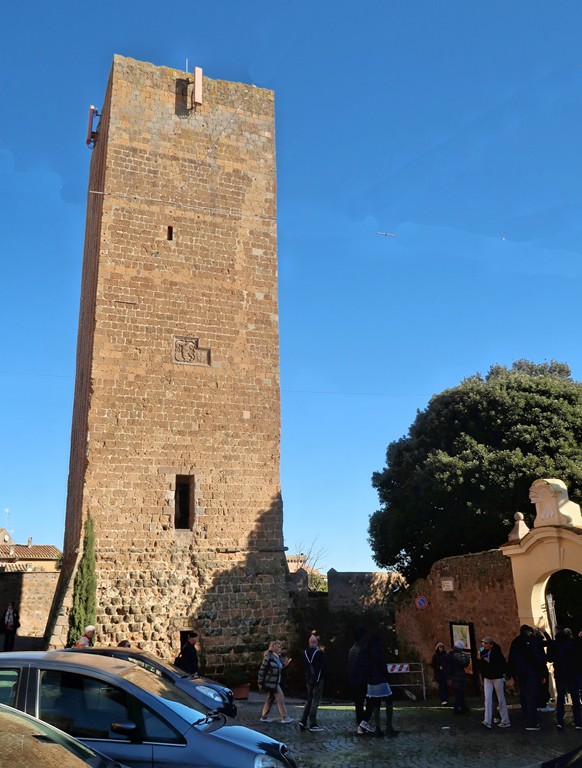
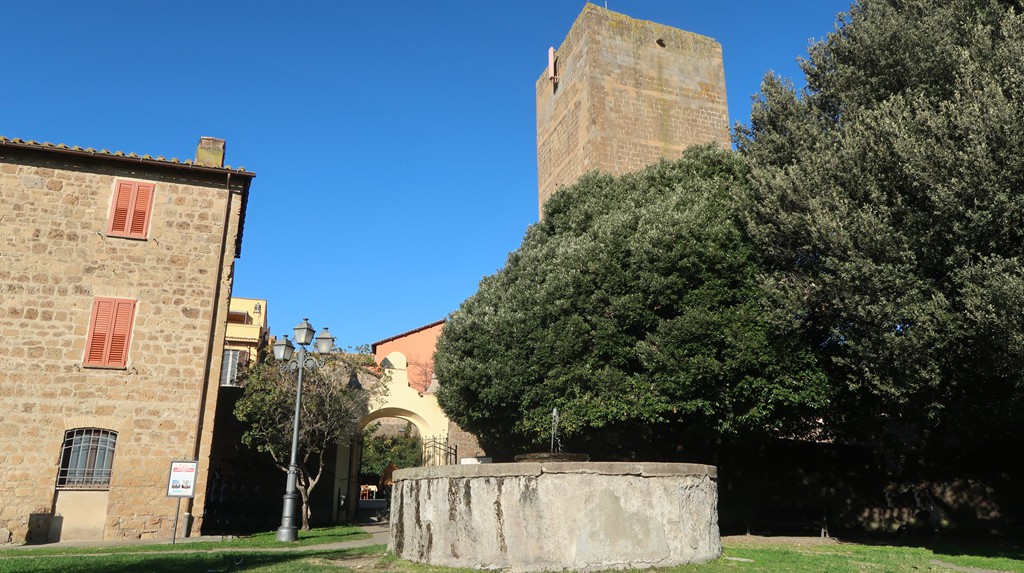
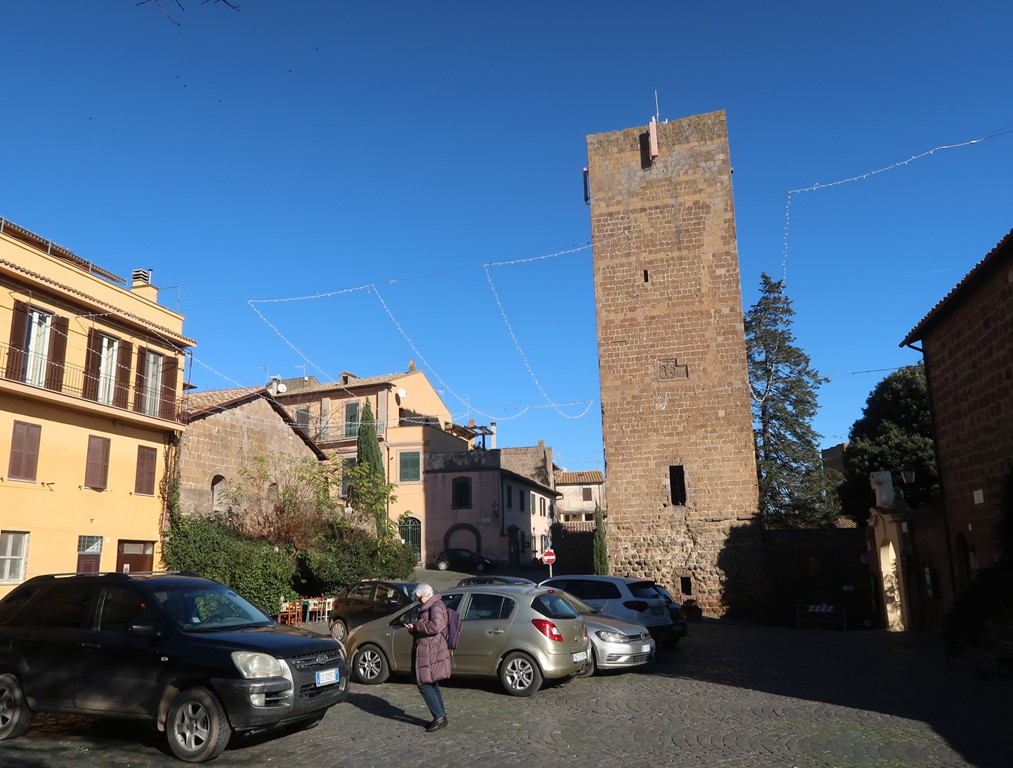
Torre di Lavello
The Tower takes its name from Angelo Broglio da Lavello, known as "il Tartaglia", a mercenary captain and lord of Tuscania in the early 5th century.
From the top of the tower, clearly military in character, one could command a wide stretch of coastline. On the square once stood the fortress Rocca Tartaglia, later dismatled and partially reused as seat of the Papal Customs House.
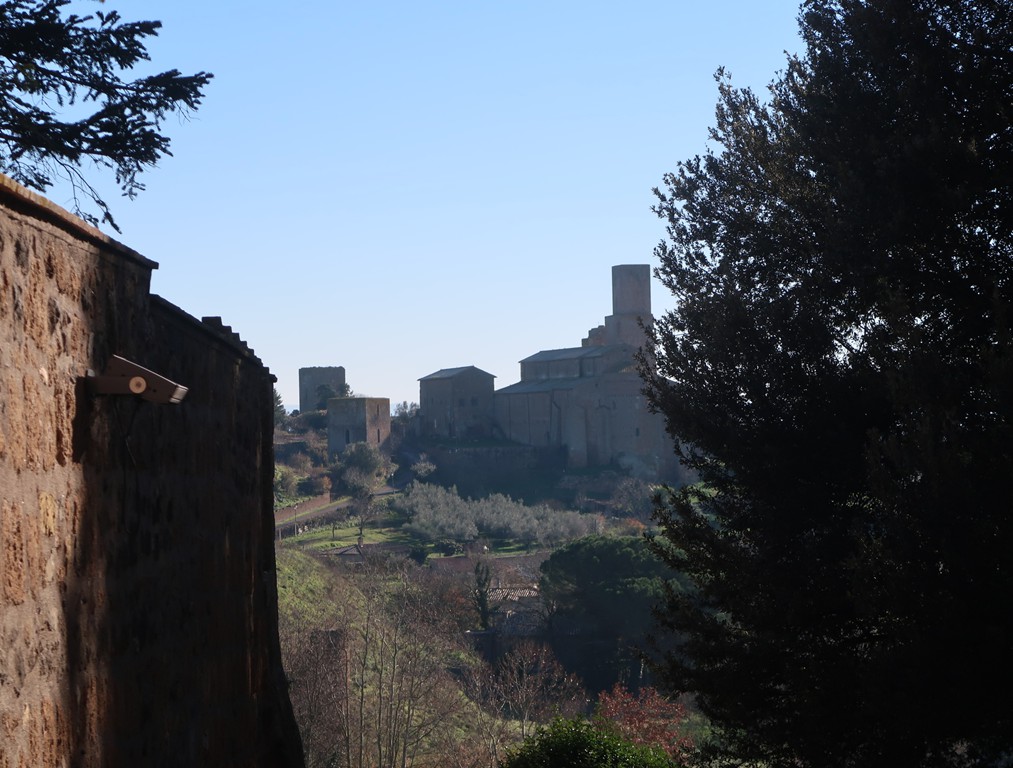
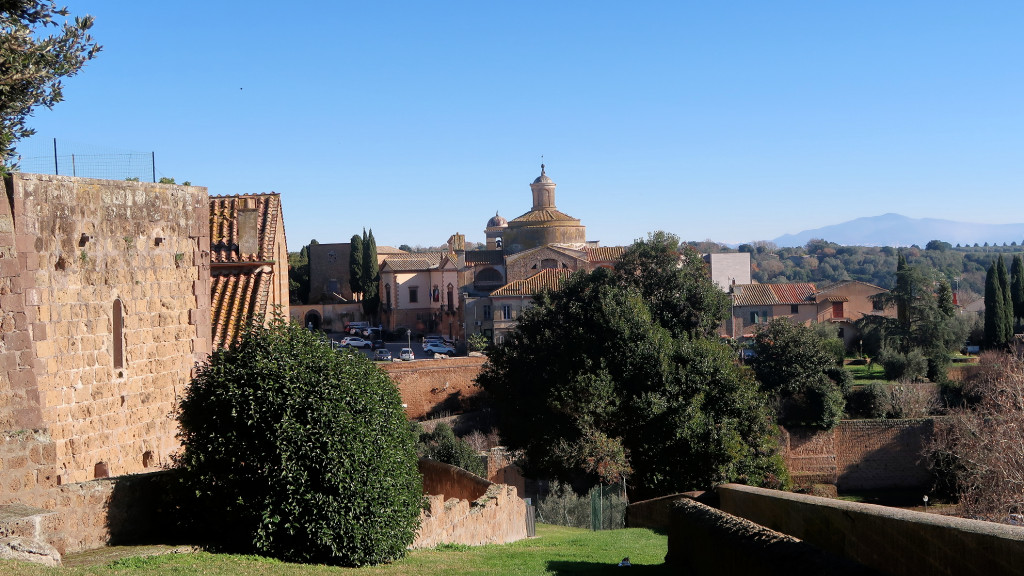
View from Torre di Lavello to Piazza Basile with the Church of San Laurenzo. Further south (to the right of the picture) there are two more Romanesque churches.
