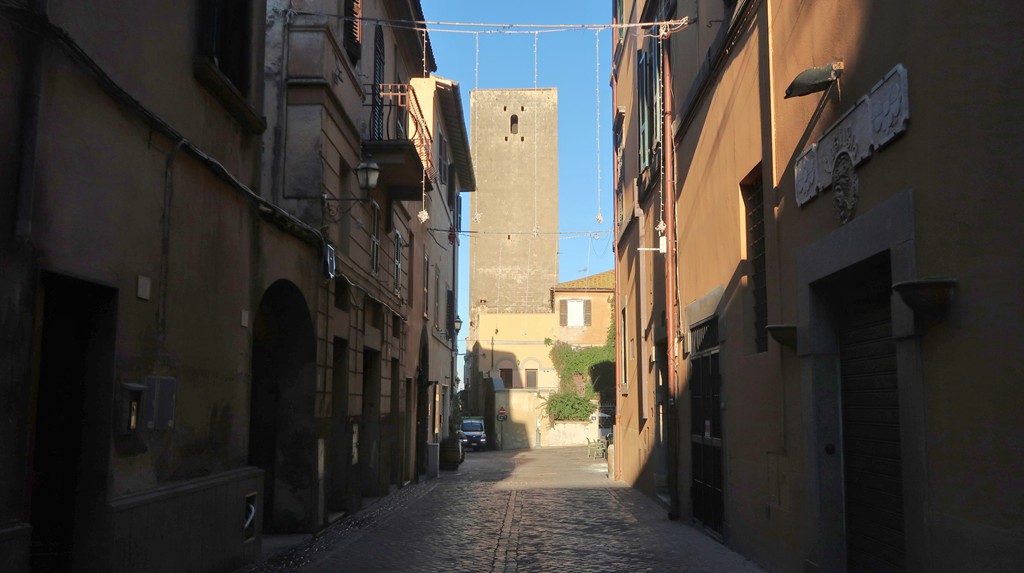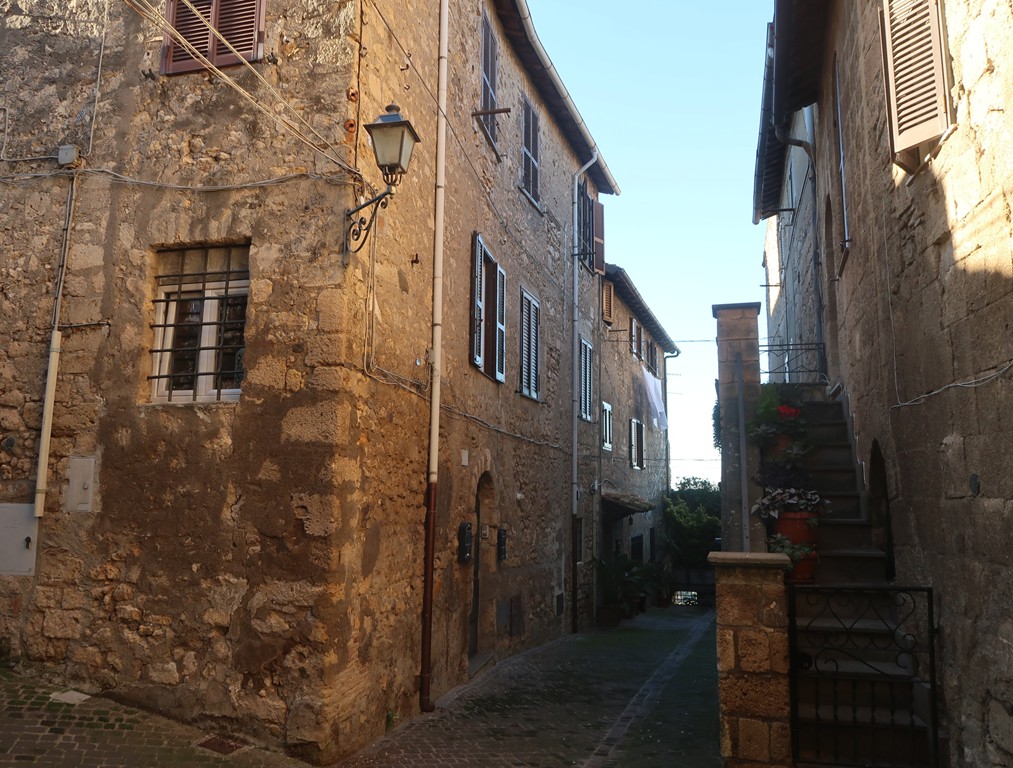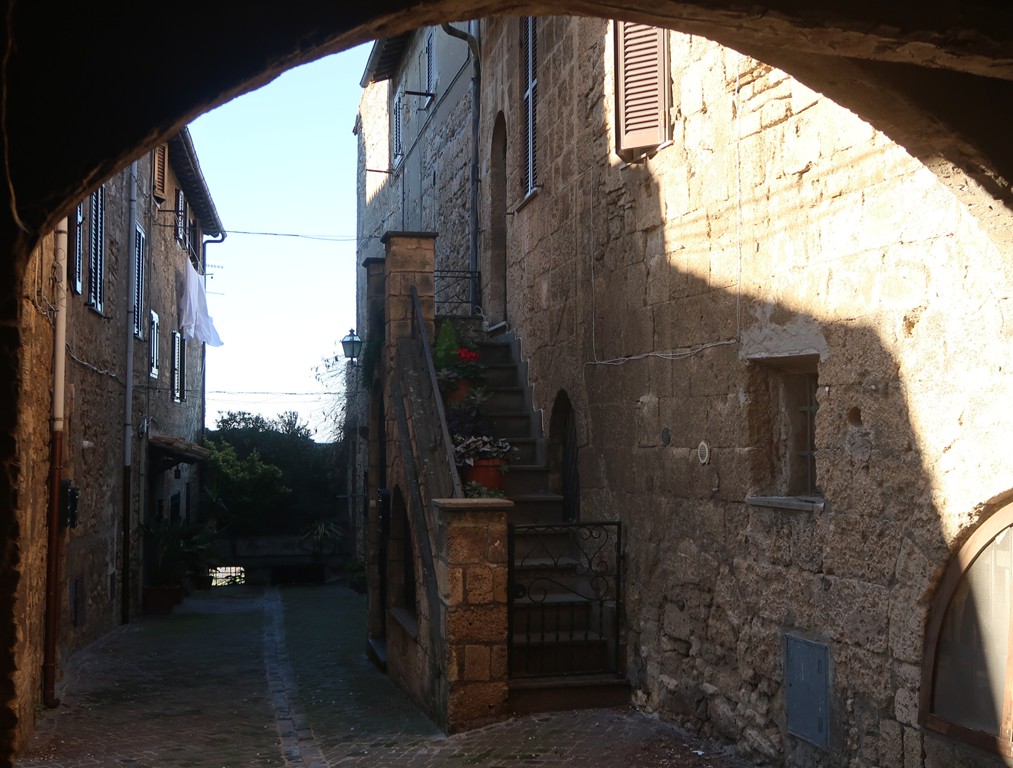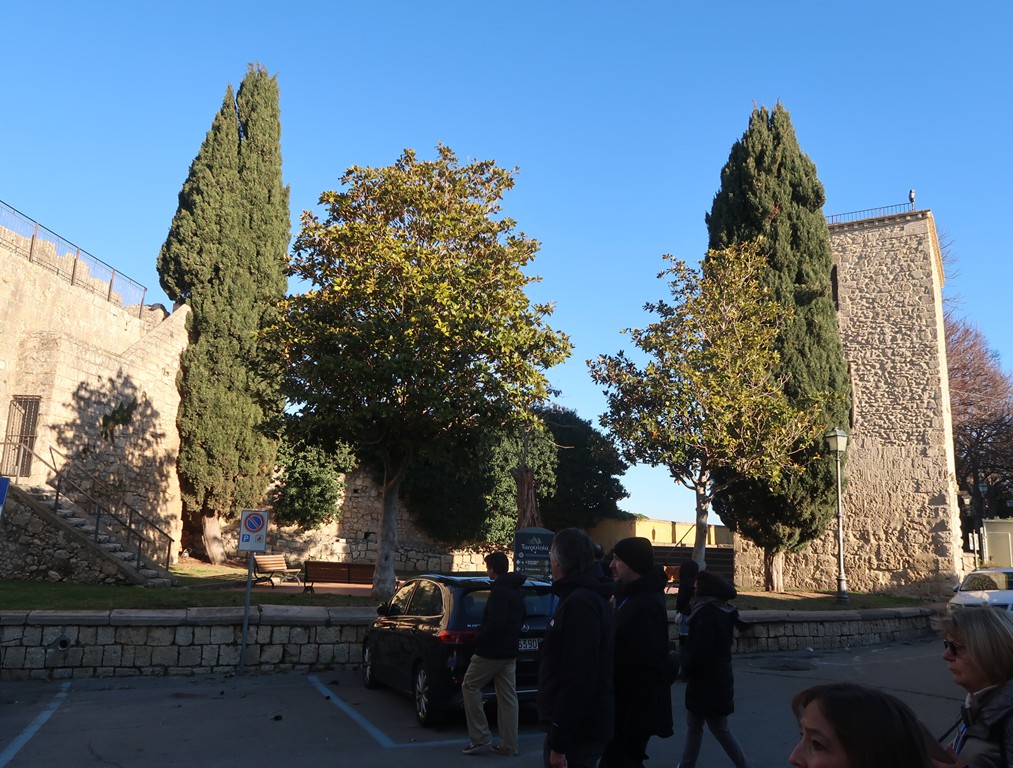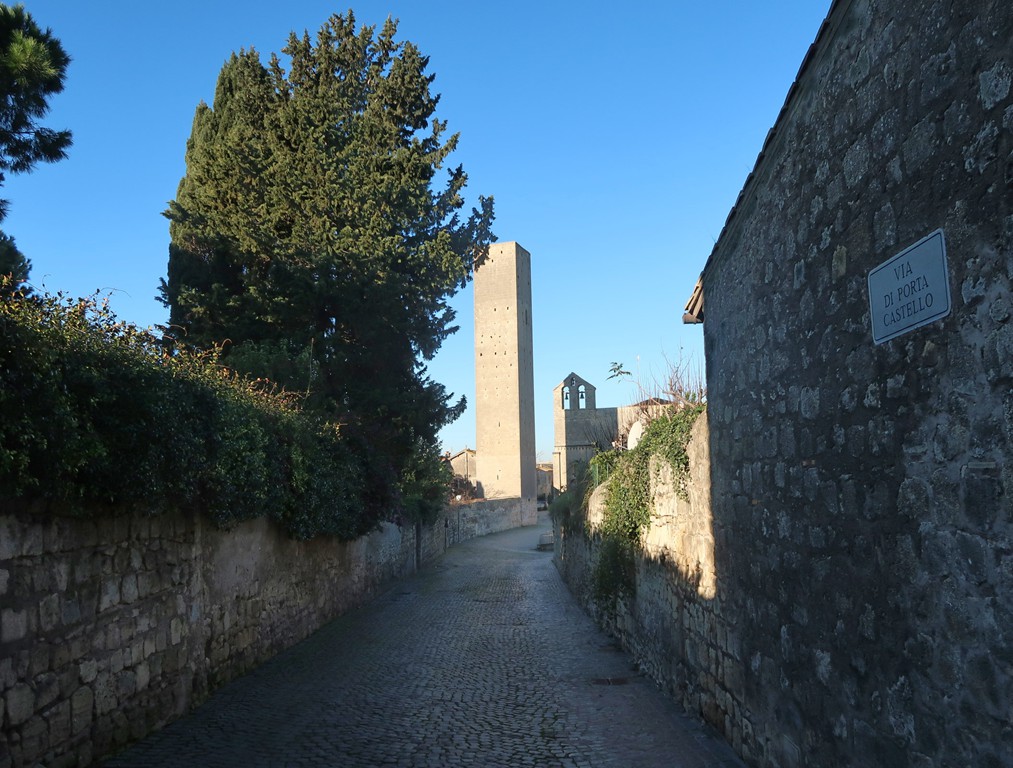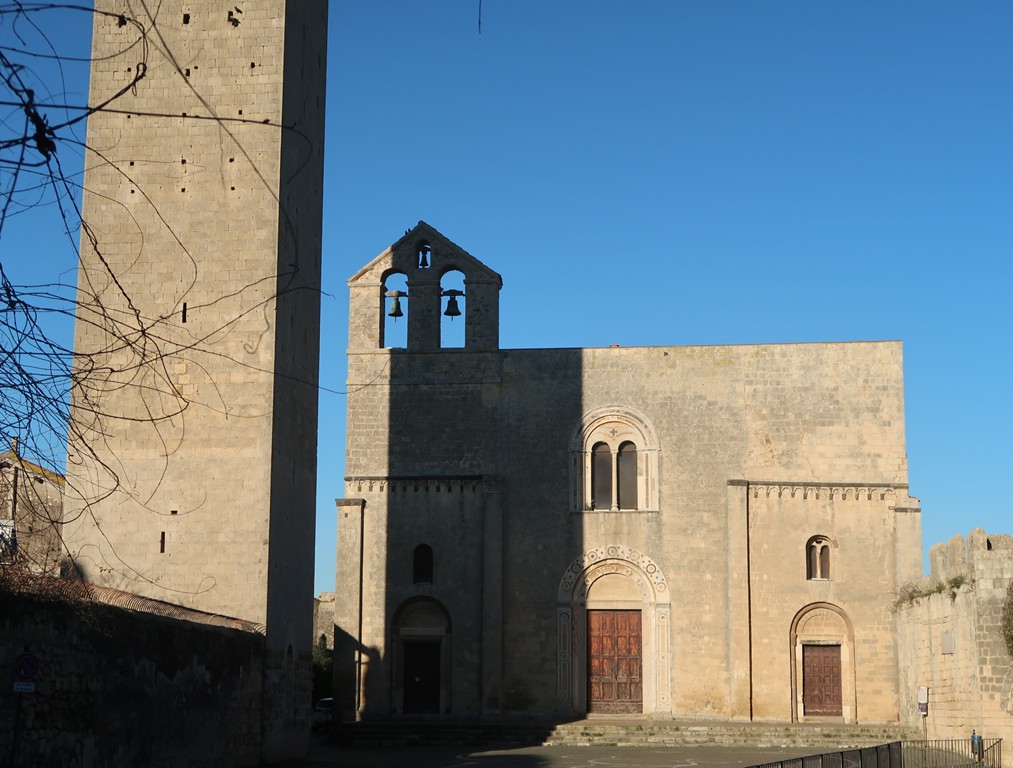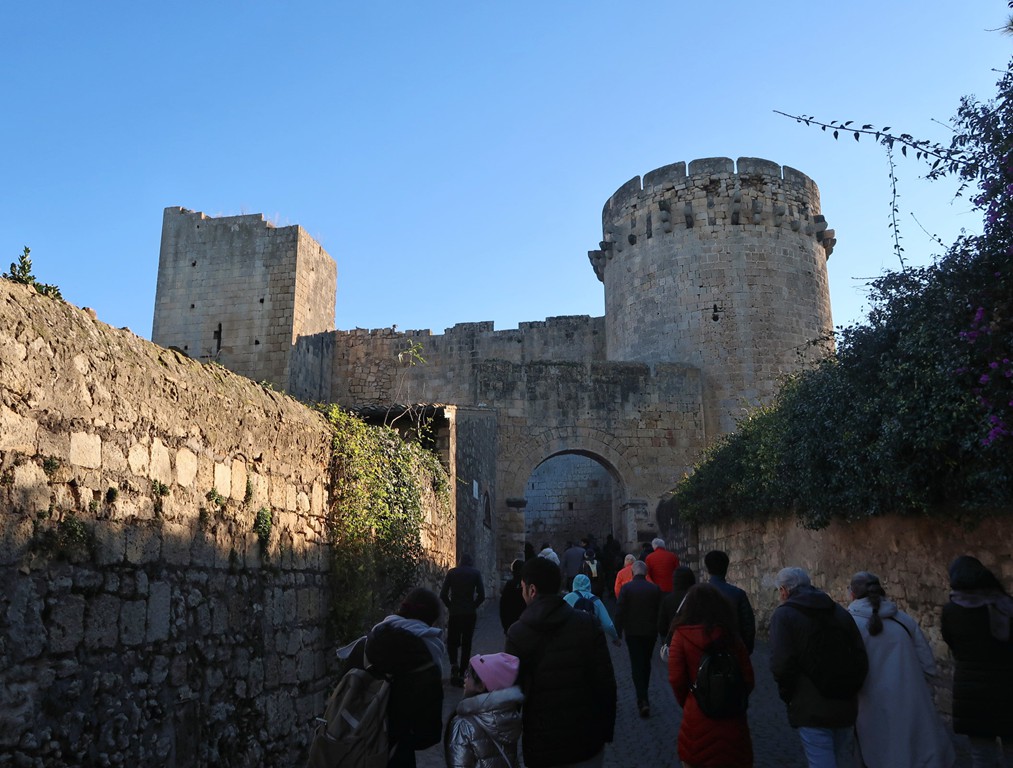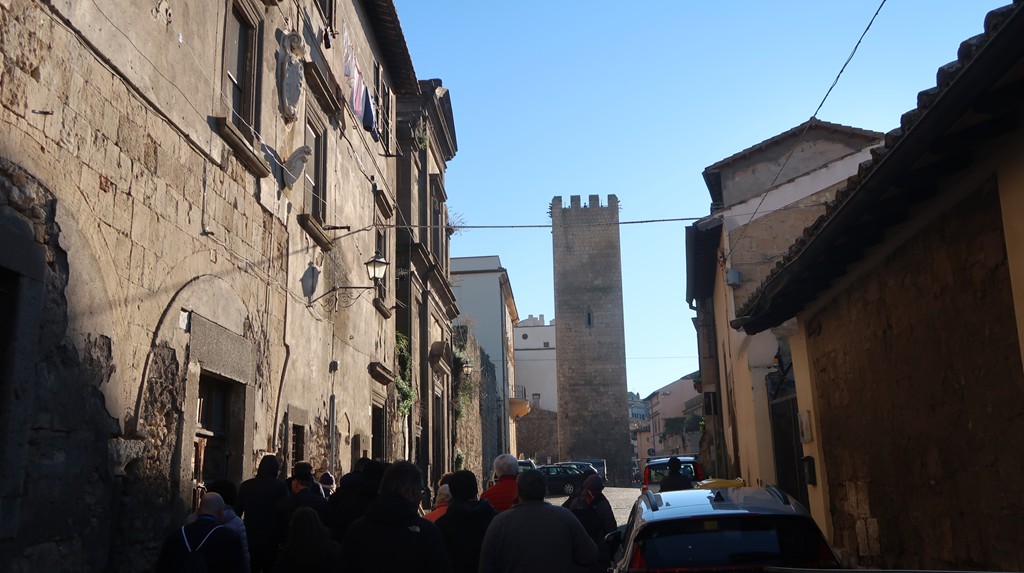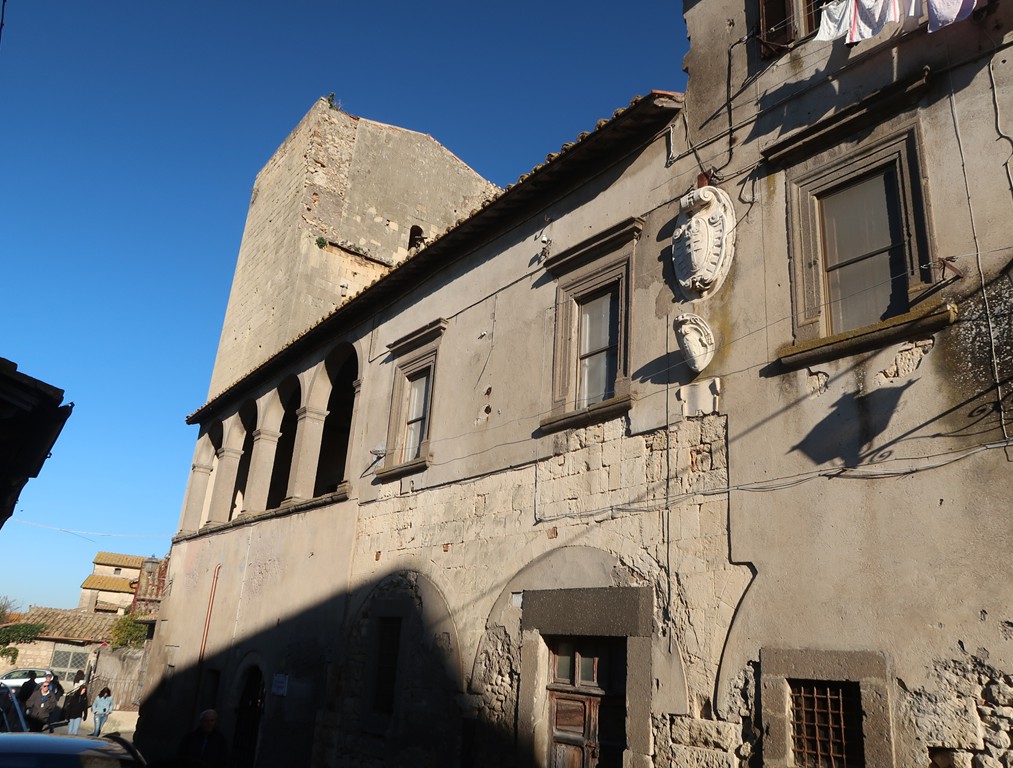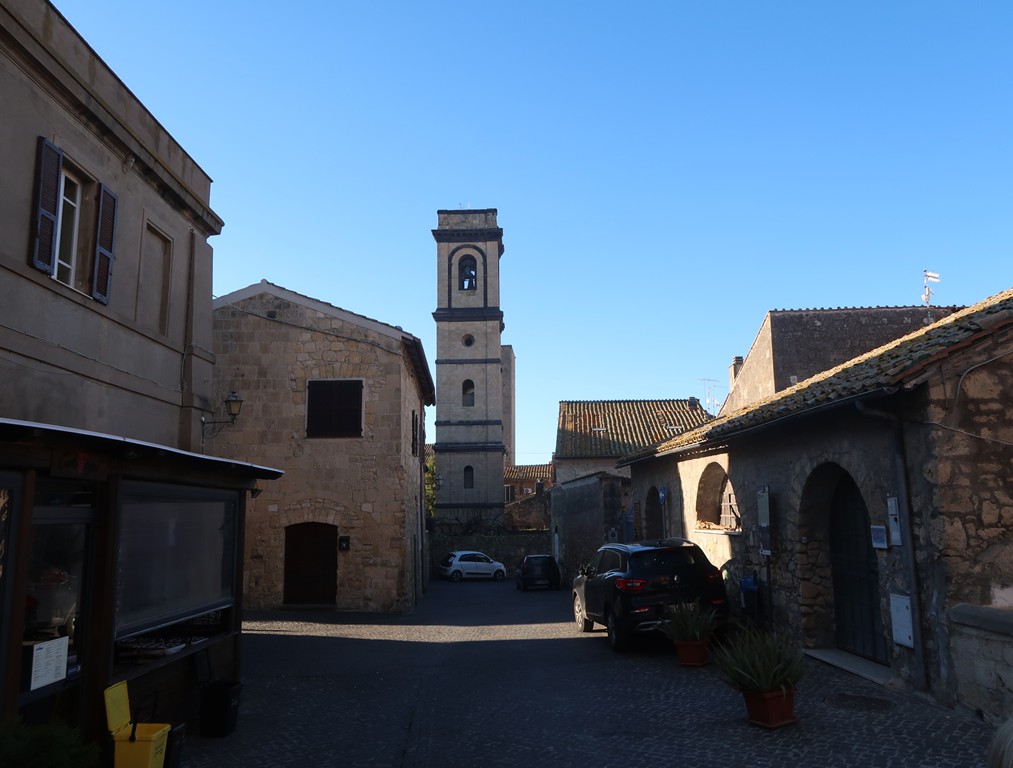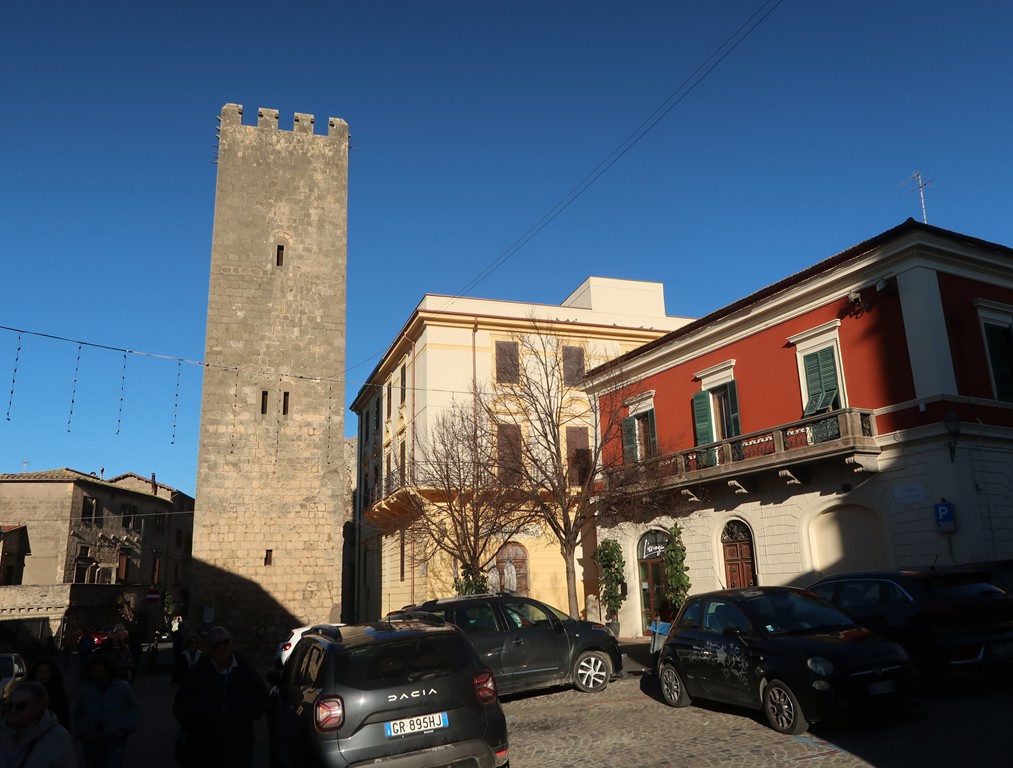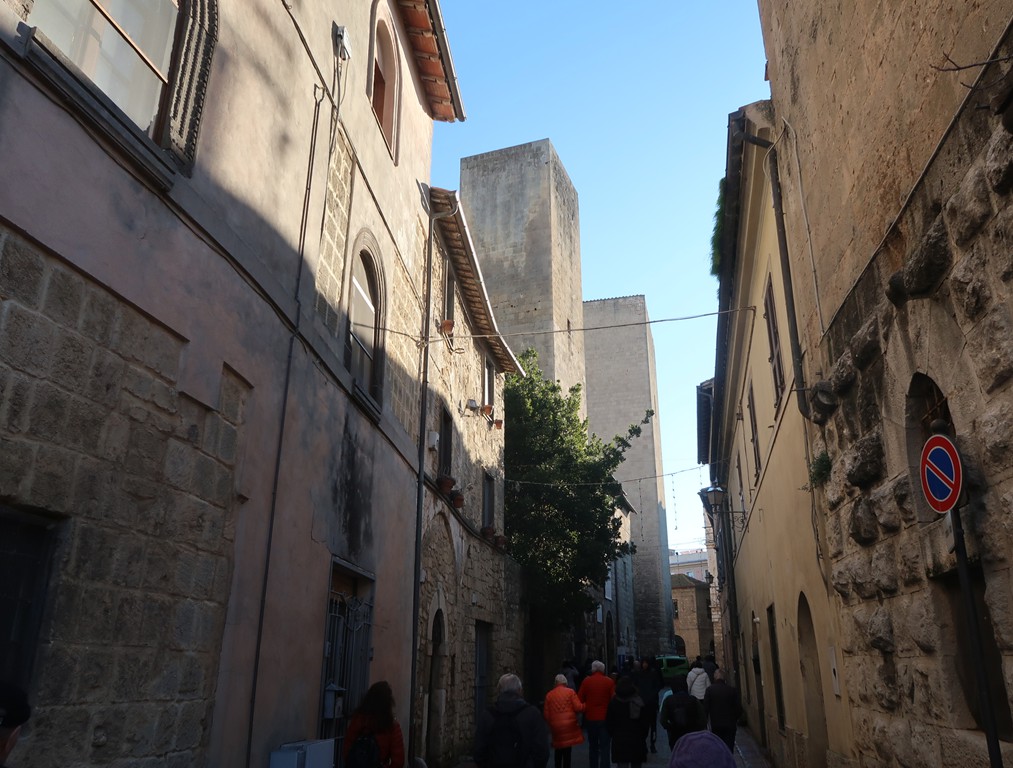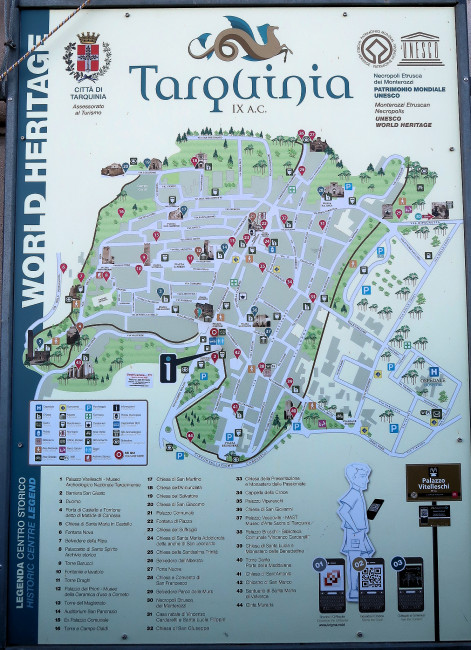
Twenty kilometres north of Civitavecchia, the port of Rome, the well-preserved medieval old town of Tarquinia sits enthroned on a hill. Strolling through the narrow, winding streets, we discover squares with churches and numerous family towers, several city palaces and the almost completely preserved city wall.
A necropolis with numerous tombs from the Etruscan period has been discovered in Tarquinia. These are tombs for nobles, couples and, in some cases, entire families. The tombs, carved into the rock, are decorated with wall paintings and frescoes that provide an insight into the life and self-image of the Etruscans. The tombs, which were built between the 7th and 4th centuries BC, differ greatly from one another depending on the period in which they were constructed. Like the nearby necropolis of Cerveteri, the necropolis of Tarquinia was added to the UNESCO World Heritage List in 2004.
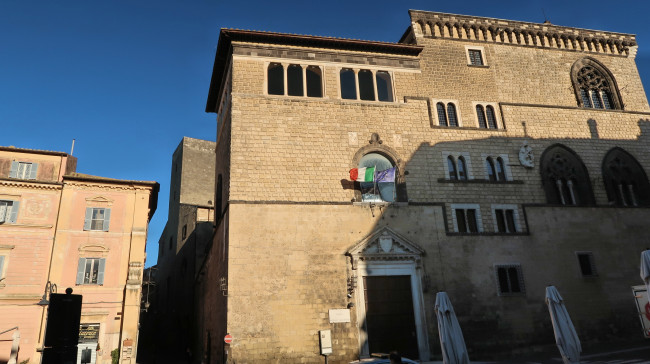
The Palazzo Vitelleschi. It houses the Museo Archeologico Nazionale di Tarquinia with numerous Etruscan finds, mainly from excavations in Tarquinia.
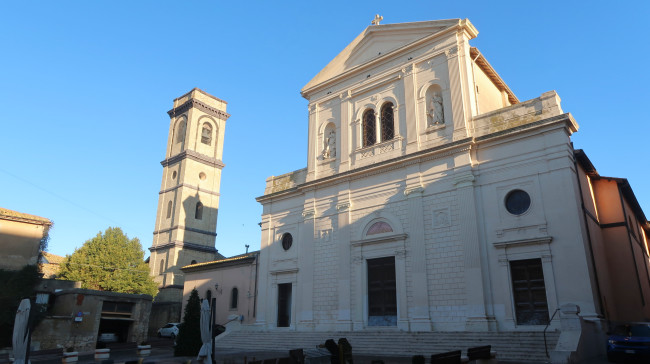
The Domo di Tarquilia with its 15th-century tower.
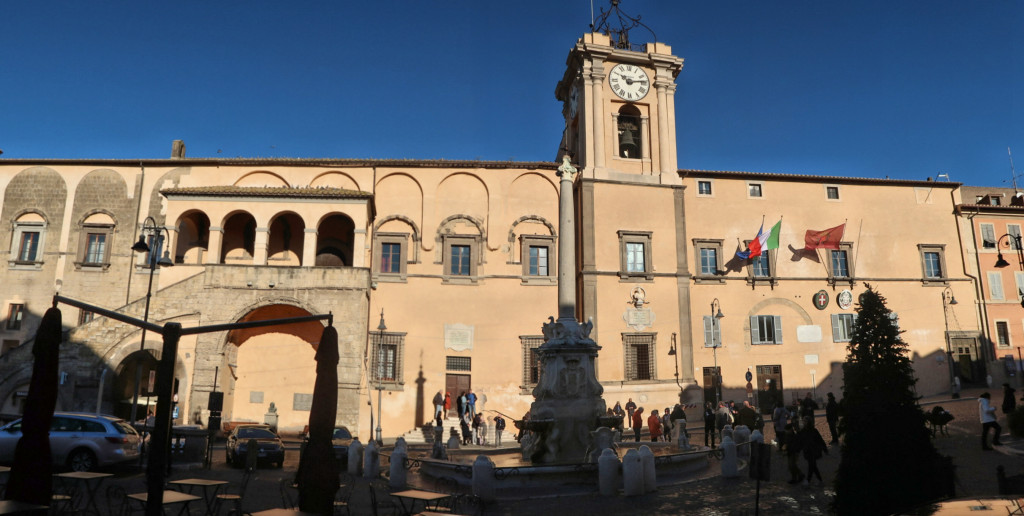
The main square of Tarquinia, Piazza Giacomo Matteotti, with the Palazzo Comunale. This building serves as the town hall and houses beautiful frescoes and important works of art that reflect the rich history of the region.