Camino de Santiago Austria


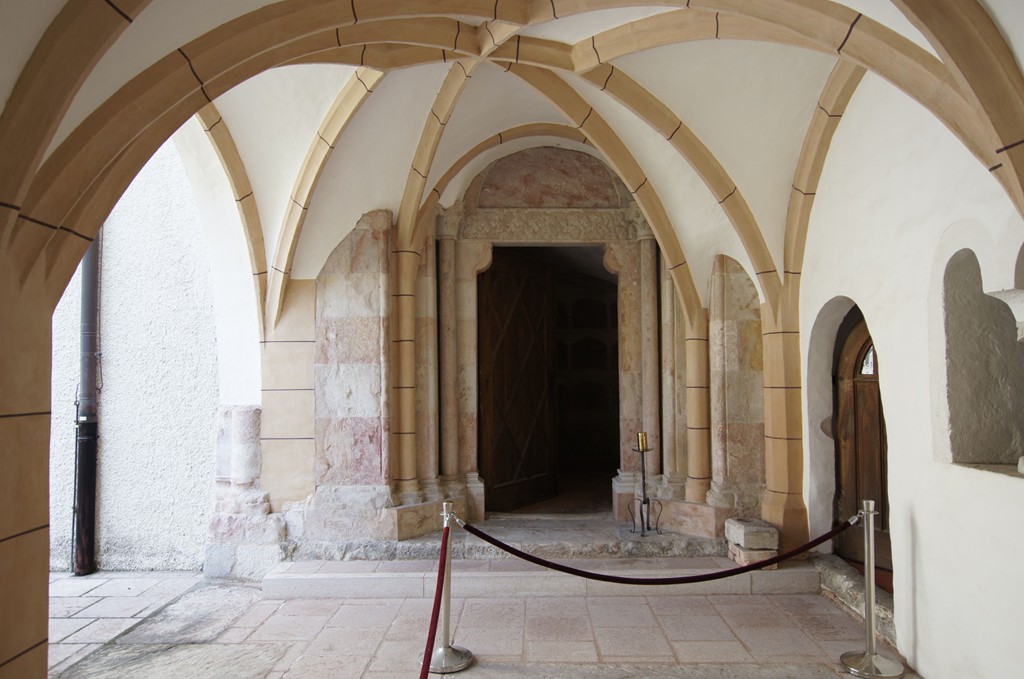
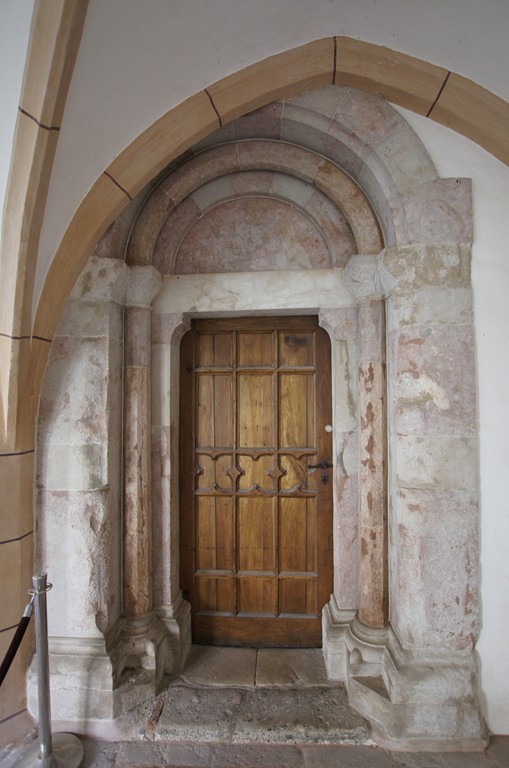
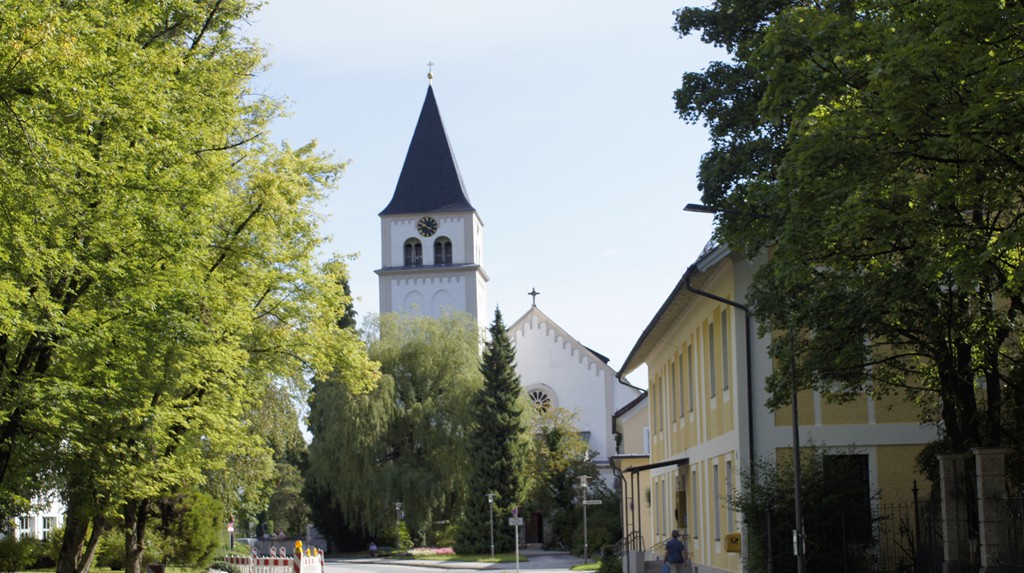
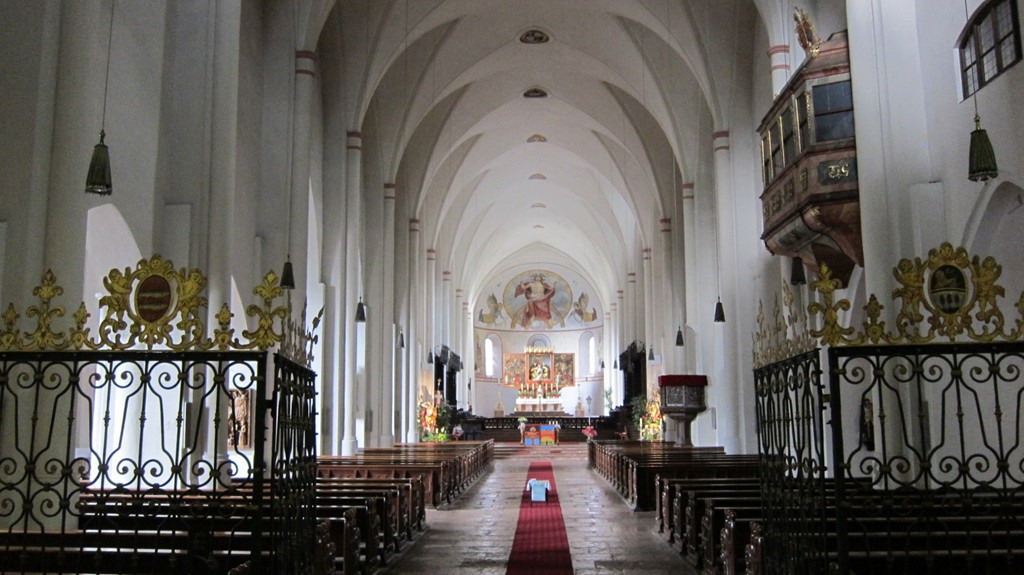
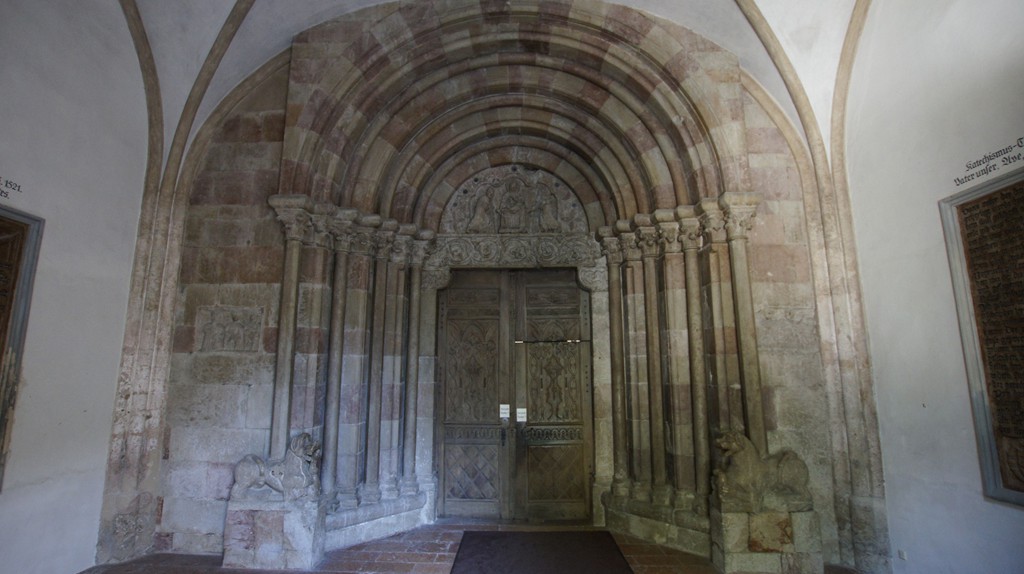
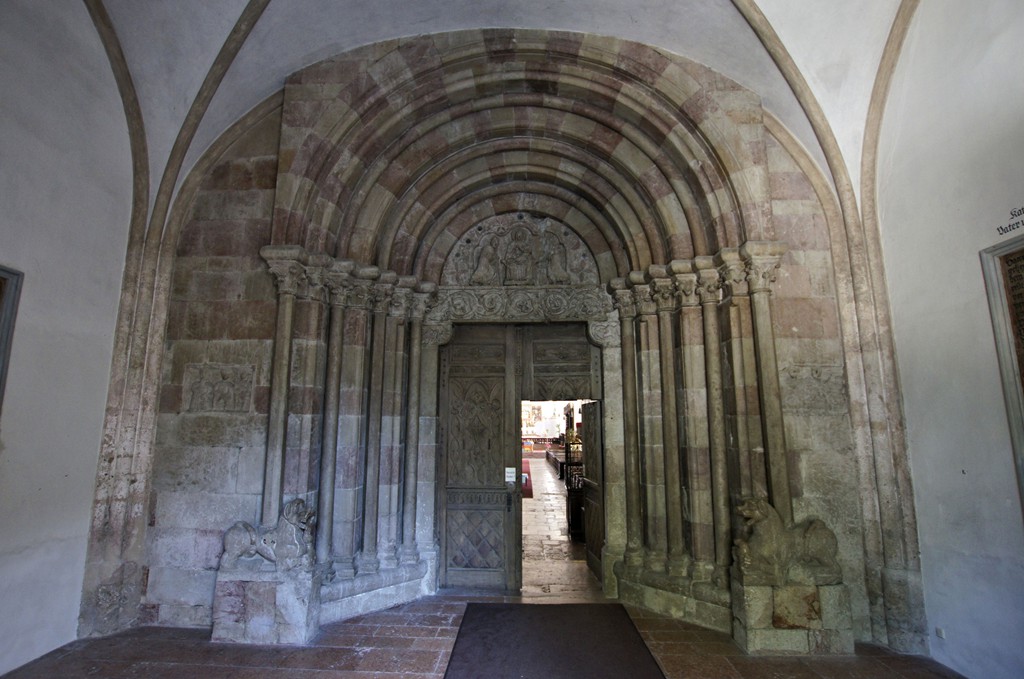
The first church was built in 806. In 1136, St. Zeno was founded as an Augustinian monastery by Archbishop Konrad von Abensberg. The old church was demolished and the new building was consecrated in 1228 after 80 years of construction. The church was dedicated to St. Zeno of Verona. With a length of 90 metres, St. Zeno is the largest Romanesque church in Old Bavaria. The most important Romanesque feature is the magnificent funnel-shaped portal made of Untersberg marble.
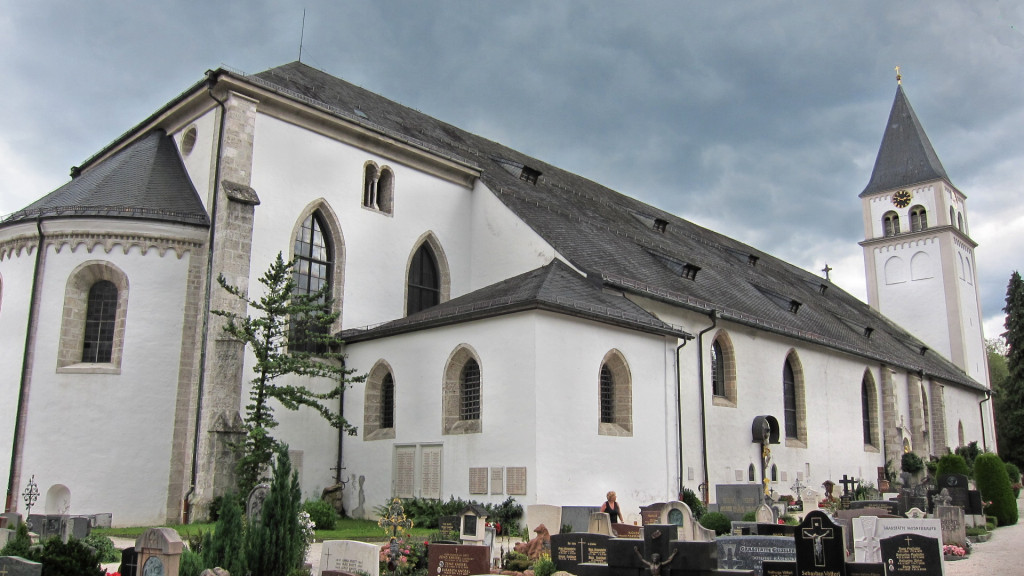
In 1512, the church burned down completely and was rebuilt in the late Gothic style.
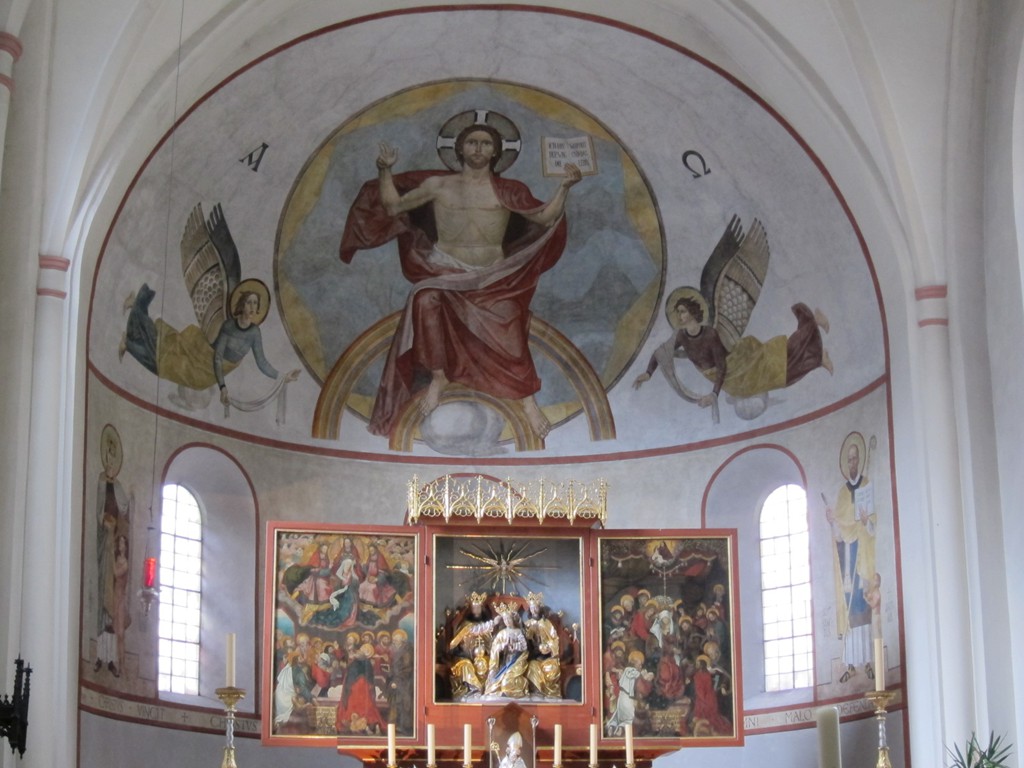
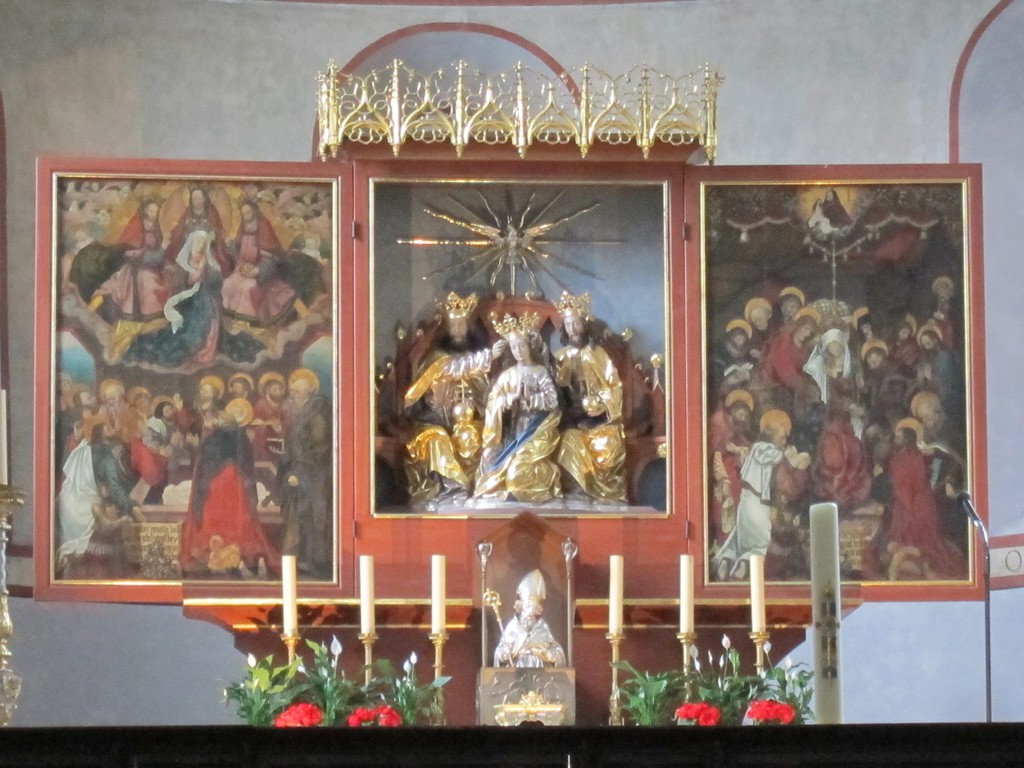
Secularisation came in 1803: the monastery was dissolved and St. Zeno became a parish church. Later renovations were carried out in the Baroque, Neo-Romanesque and Neo-Gothic styles, of which four side altars still remain. In 1937, the central section of the present high altar was added to the church, and in 1967 it was supplemented by two side panels: the Birth of Mary, the Coronation of Mary and the Death of Mary, all dating from around 1520; they fit together very well thematically and stylistically.
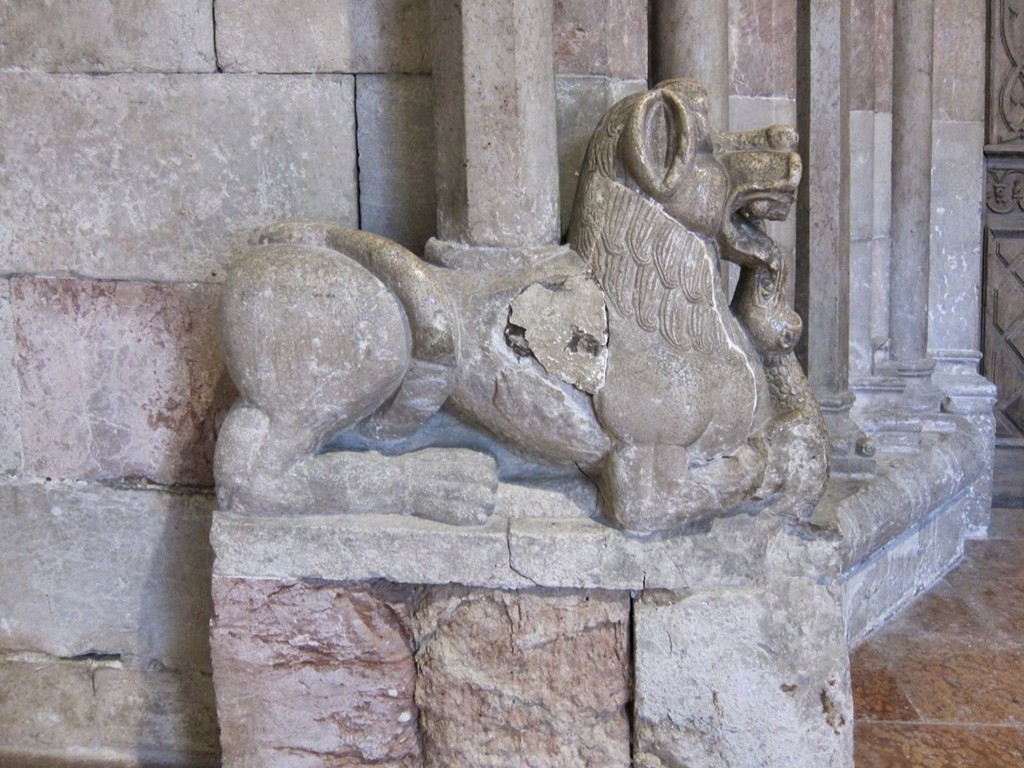
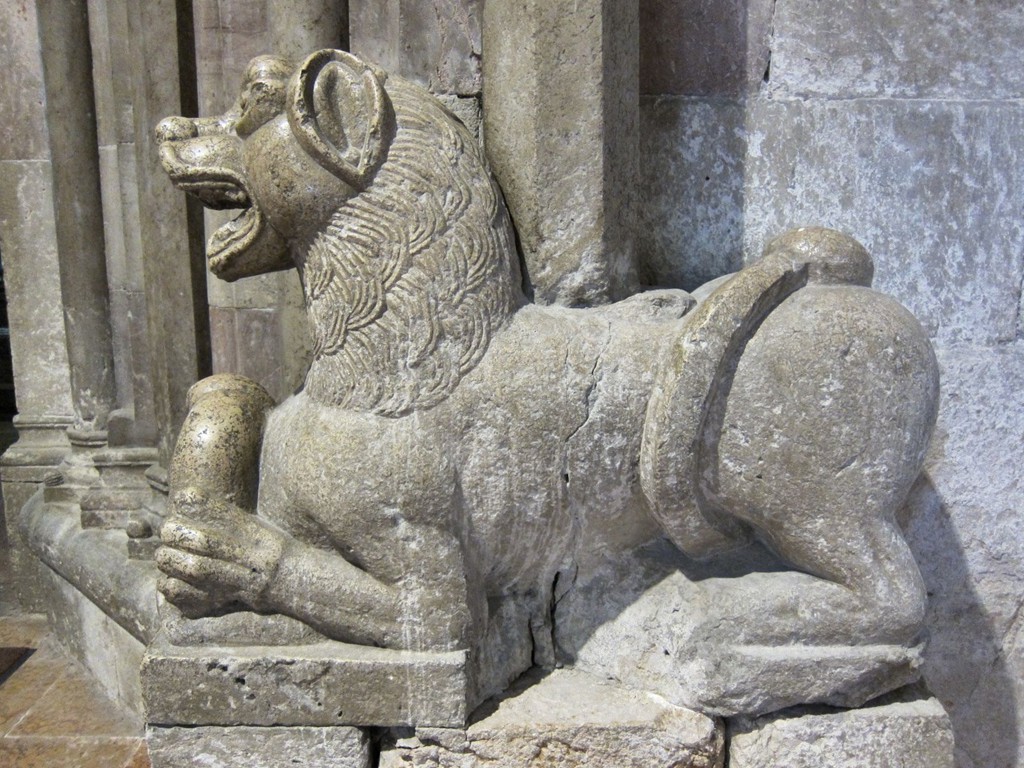
The lions on the portal do not look like lions today or as they did back then; the stonemasons of the time had certainly never seen real lions and therefore based their designs on contemporary lion sculptures.
Romanesque round arch portal
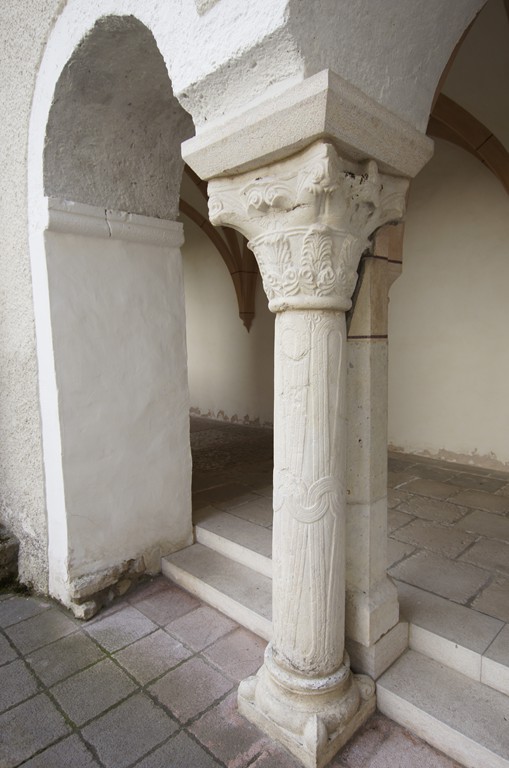
The eight columns made of Untersberg marble are alternately round and octagonal with Romanesque decorations. There is a peacock and other birds, but also snakes. They all embody the creatures of paradise and the underworld.
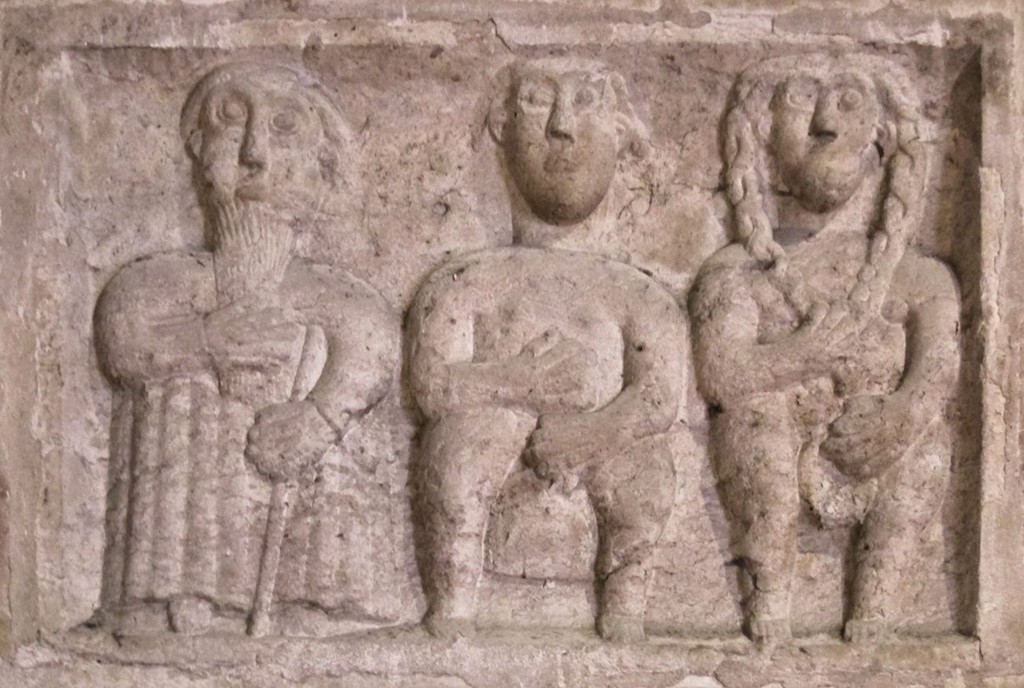
The reclining lions are now positioned perpendicular to the portal axis; originally, they were assigned to the portal porch and faced those entering. With their jaws open, they hold prey between their front paws. In the tympanum, the enthroned Madonna with the baby Jesus on her lap can be seen between two saints: Saint Rupert on the right and Saint Zeno on the left. Above the Madonna is the Lamb of God. Reliefs from the 8th century are embedded in the sides of the portal. On the left is the bearded God the Father with Adam and Eve (with braids).
Cloister
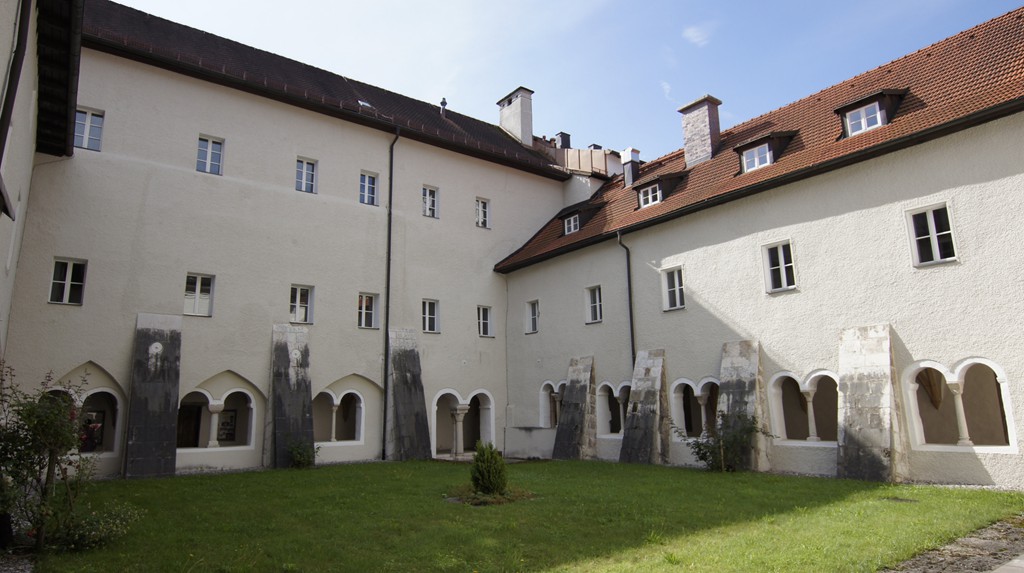
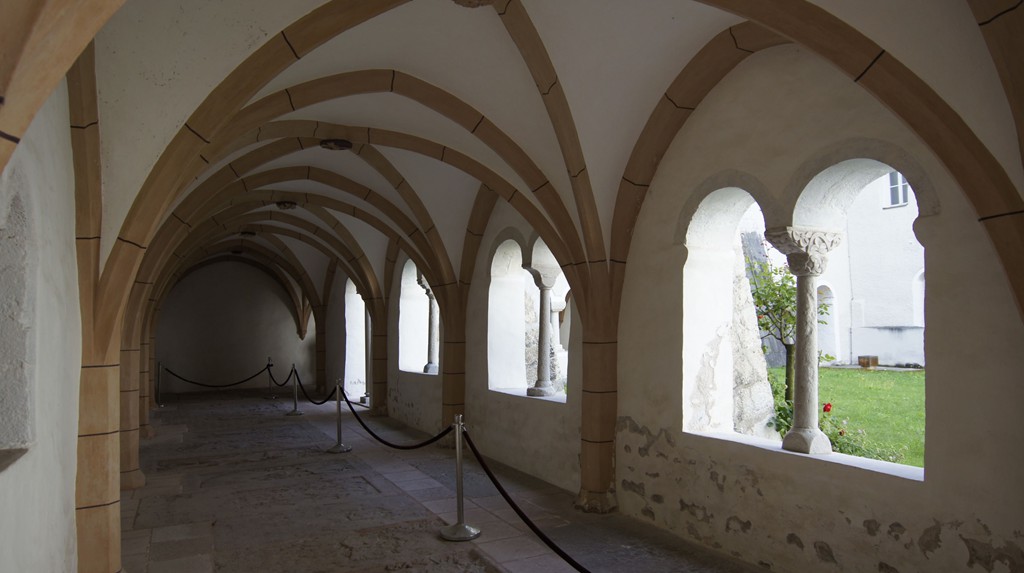
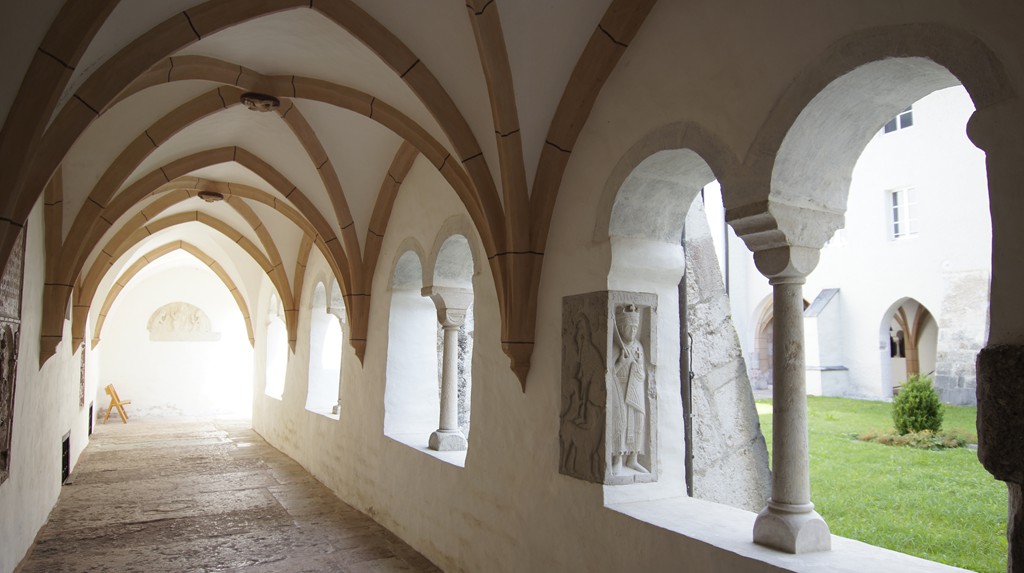
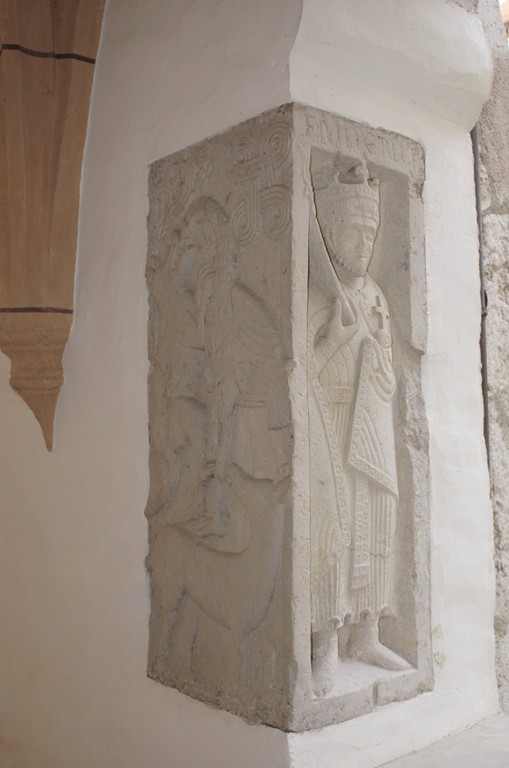
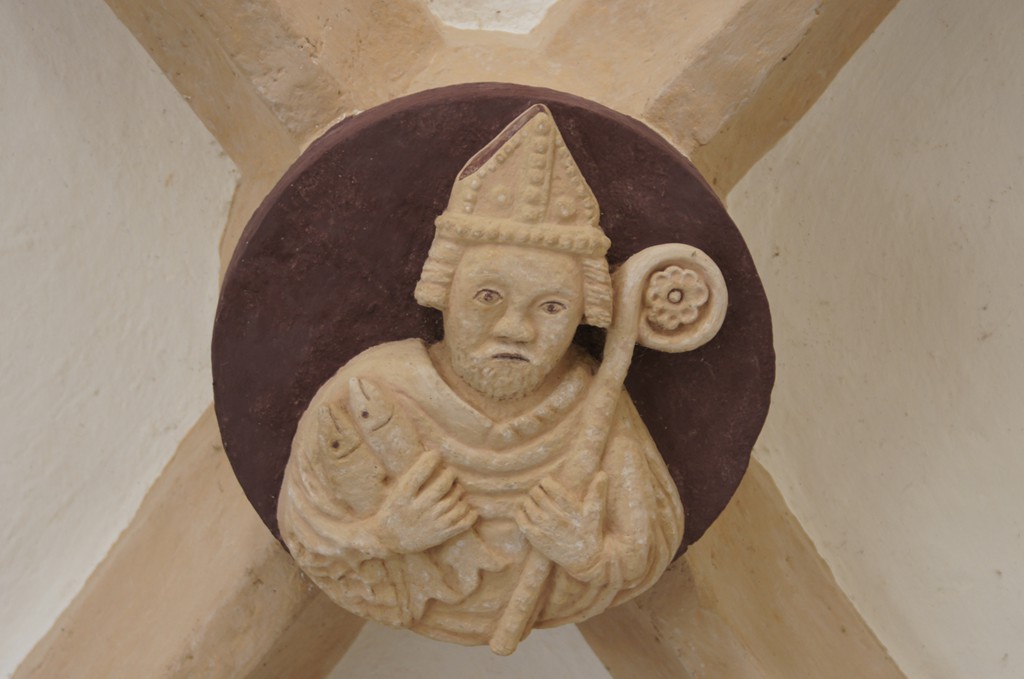
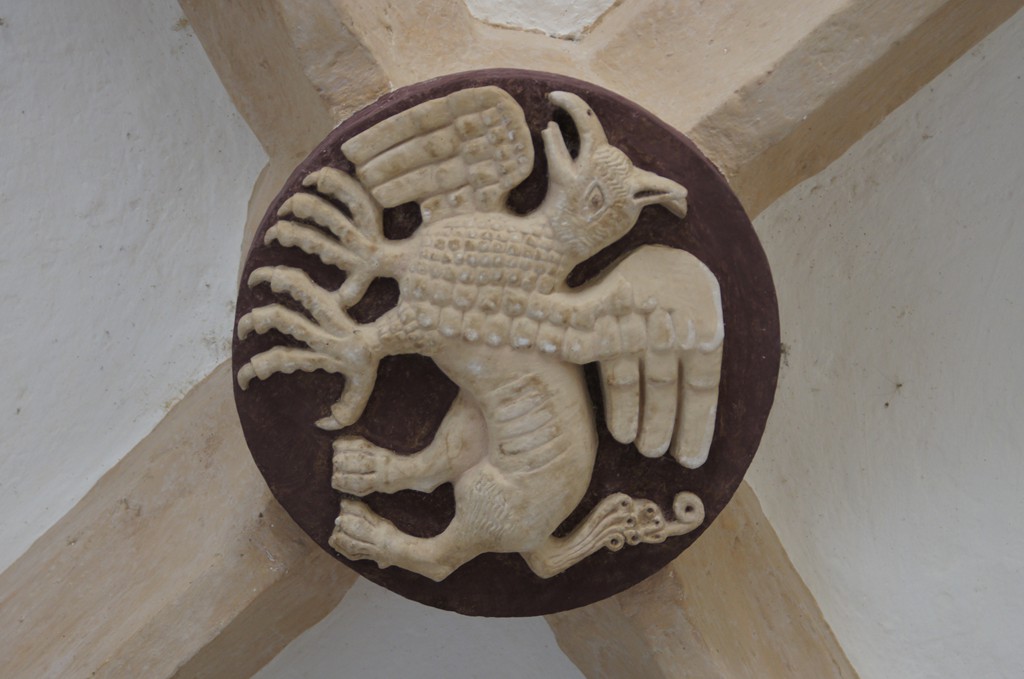
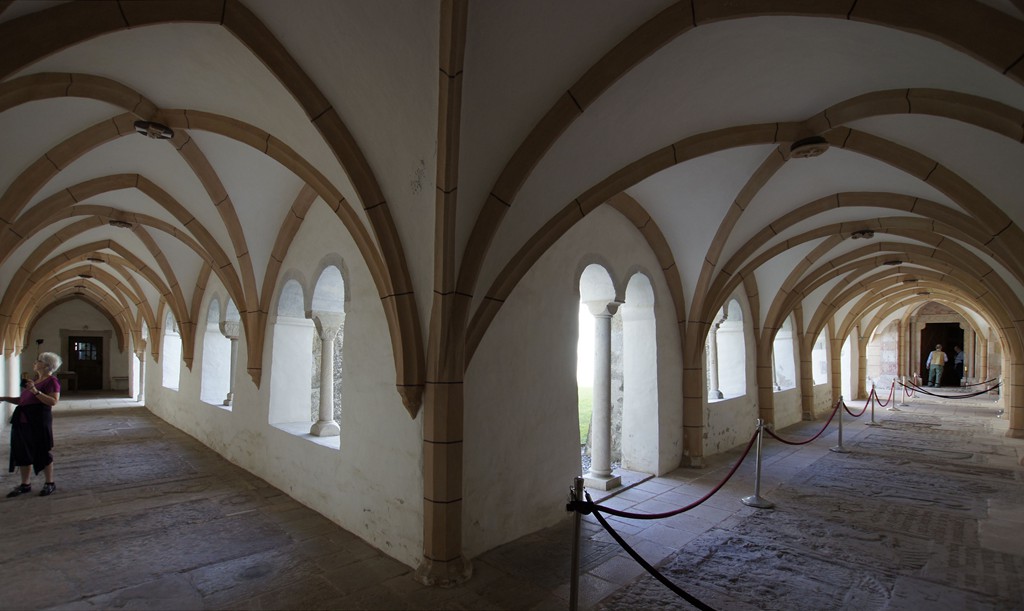
The cloister of the monastery was built at the end of the 12th century in Romanesque style. Originally, like the church, it had a flat wooden ceiling. In the second half of the 14th century, this was replaced by a Gothic ribbed vault with individually designed keystones. A relief of Emperor Frederick I Barbarossa is carved into a stone block in the middle of the west wing, at the corner of a window pillar. After secularisation, the north wing of the cloister fell into disrepair and had to be demolished in the mid-19th century. Numerous epitaphs are embedded in the floor of the cloister, most of which date from around 1400.